
How Long Do Youth Goalie Gloves Last with Regular Training?

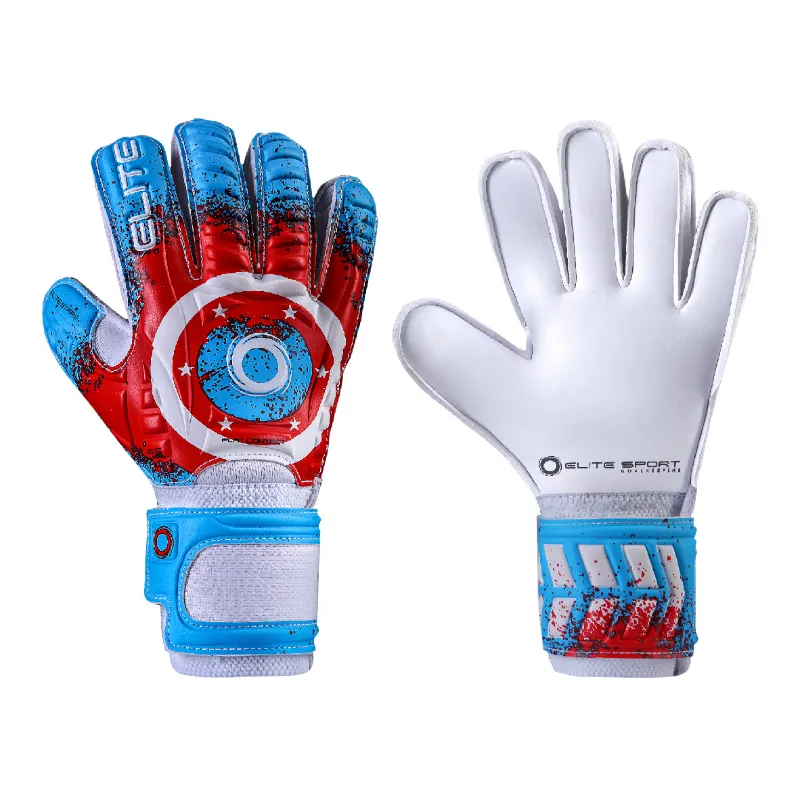
How Long Do Youth Goalie Gloves Last with Regular Training?
Youth goalie gloves typically last between 4 and 8 months with regular training, though this varies widely based on how often they're used, the surfaces they encounter, and how well they're maintained. If your young keeper trains twice a week and plays weekend games, expect to replace their youth goalie gloves closer to the six-month mark. High-intensity training on artificial turf or rough surfaces can cut that lifespan in half, while careful maintenance and rotation can stretch it closer to a full year.
Understanding what shortens glove life helps you budget for replacements and teaches young goalkeepers the value of proper equipment care. We tested dozens of kids goalkeeper gloves across different brands and price points to see how they hold up under real training conditions.
What Affects How Long Youth Goalkeeper Gloves Last
Several factors determine whether your keeper gets four months or a full season from their gloves.
Training frequency and intensity play the biggest role. A goalkeeper who trains three times per week plus weekend matches will wear through palm latex far faster than one who trains once weekly. Shot volume matters too: facing 50 saves per session degrades foam more than 20.
Playing surface dramatically impacts durability. Artificial turf is the biggest glove killer, with its abrasive fibers shredding latex palms 40 to 60 percent faster than natural grass. Concrete, gym floors, and dirt fields are equally harsh. If your keeper trains primarily on turf, consider keeping one pair of soccer gloves for games and a cheaper pair for practice.
Latex quality and thickness separate budget gloves from premium options. Softer, tackier latex offers better grip but wears faster, while firmer compounds last longer with slightly less stick. Most goalkeeper gloves for kids use 3mm to 4mm latex, which balances grip and durability for younger players.
Fit and sizing affect longevity in unexpected ways. Gloves that are too tight cause seams to split and latex to tear at stress points. Oversized gloves bunch and drag, creating friction hot spots. Check a youth soccer goalie gloves size chart before buying to ensure proper fit.
Care habits can double glove life or halve it. We cover this in detail below, but hand-washing after every use and air-drying away from heat are non-negotiable for longevity.
Signs Your Youth Goalie Gloves Need Replacing
Don't wait until gloves fall apart mid-match. Watch for these wear indicators:
- Palm latex thinning or showing mesh underneath, especially in the high-contact zone below the fingers
- Grip loss where the ball starts slipping even on clean, slightly damp gloves
- Seam separation along finger gussets or wrist closure
- Torn backhand or finger spines on models with finger protection
- Wrist strap failure where Velcro no longer holds or elastic has stretched out
- Persistent odor that won't wash out, indicating deep bacterial growth in the foam
When palm latex shows significant wear in the catching zone but the rest of the glove remains intact, it's time to retire them to practice-only duty and invest in a fresh pair for matches. Grab our discount code before ordering to save on your next set.
Best Practices to Extend Glove Lifespan
Proper care can add months to your investment. We interviewed equipment managers and tested these methods ourselves.
After every training session or match:
- Rinse gloves in lukewarm water to remove dirt, grass, and sweat
- Use a small amount of mild soap or dedicated glove wash for deep cleaning once weekly
- Gently squeeze out excess water without wringing or twisting
- Air-dry palms-together in a shaded, ventilated area, never in direct sunlight or near heaters
- Store in a breathable bag or glove sack, not a sealed plastic bag
During use:
- Pre-wet palms slightly before play to activate the latex and reduce friction
- Avoid unnecessary ground contact by keeping gloves off when moving cones or picking up balls
- Use separate training gloves for artificial turf or rough surfaces when possible
- Rotate between two pairs if budget allows, letting each fully dry between sessions
Storage between seasons:
- Clean thoroughly and dry completely
- Store in a cool, dry place away from direct sunlight
- Consider wrapping in tissue paper to maintain palm shape
- Check for mold or mildew before the first session back
Many families find that buying mid-range goalie gloves kids models and caring for them properly delivers better value than premium gloves that get neglected. A $30 pair maintained well often outlasts a $60 pair that's tossed in a gym bag while still damp.
Choosing Durable Youth Goalie Gloves
If you're replacing gloves frequently, consider these durability factors when shopping.
Hybrid latex palms combine softer grip zones in high-contact areas with firmer, longer-lasting latex on the fingers and edges. This construction extends life without sacrificing too much feel.
Reinforced stitching at finger gussets and wrist attachments prevents the seam failures that often end glove life prematurely. Double-stitched or rolled finger construction holds up better than basic flat seams.
Removable finger spines on youth goalie gloves with finger protection let you replace bent or broken stays without discarding the entire glove. Not all youth models offer this, but it's worth seeking out for aggressive shot-stoppers.
Quality backhand materials matter too. Breathable mesh combined with latex or foam padding outlasts thin synthetic materials that tear easily during punches and deflections.
| Feature | Budget Models | Mid-Range | Premium |
|---|---|---|---|
| Palm Latex | 3mm basic foam | 3-4mm contact foam | 4mm+ pro-grade latex |
| Typical Lifespan | 3-5 months | 5-8 months | 6-12 months |
| Best For | New keepers, practice | Regular training & matches | Competitive play, multiple sessions/week |
Compare current models and check the latest pricing with our code to find options that fit your keeper's commitment level and your budget. Whether you need black goalie gloves soccer style or pink goalkeeper gloves, prioritize construction quality over color when durability matters.
When to Invest in Premium vs. Budget Youth Gloves
Match your glove investment to your goalkeeper's commitment and skill progression.
Budget gloves ($15-$25) make sense for beginners still learning positioning, recreational players who train once weekly, or as dedicated practice gloves for turf sessions. Replace them every 3 to 5 months without guilt.
Mid-range gloves ($25-$45) hit the sweet spot for most youth keepers who train regularly and play weekend matches. They offer significantly better latex, construction, and finger protection than budget options. Expect 5 to 8 months of solid performance with proper care, and you can find excellent options in kids goalkeeper gloves collections.
Premium gloves ($45-$70) suit committed keepers training 3+ times weekly, playing competitive travel or club soccer, or those who have developed enough skill to appreciate pro-grade latex grip. At this level, models often include features like youth goalie gloves with finger protection and advanced wrist closure systems.
One often-overlooked strategy: buy two pairs of mid-range football goalkeeper gloves instead of one premium pair. Rotating them and allowing full drying time between uses can deliver better total value and longer combined lifespan than a single expensive pair used constantly.
Size Considerations and Growing Hands
Youth keepers present a unique challenge because they outgrow gloves before wearing them out.
A youth goalie gloves size chart helps you start with proper fit, but expect sizing changes every 6 to 12 months during growth spurts. Measure hand circumference at the widest part below the knuckles and length from wrist crease to middle fingertip. Most youth sizes break down as size 4 for ages 5-7, size 5 for ages 7-9, size 6 for ages 9-12, and size 7 for ages 11-14, though individual hand size varies widely.
When a keeper sits between sizes, choose the larger option. Gloves should feel snug but not restrictive, with fingertips reaching the end of each finger channel without hyperextending. Slightly oversized gloves can be used with pre-wrap for an extra season, but undersized gloves cause immediate discomfort and faster wear.
For rapidly growing keepers, prioritize durability and proper care over premium features. You'll likely replace due to sizing before the gloves wear out anyway.
Frequently asked questions
How often should youth goalie gloves be replaced?
Replace youth goalie gloves every 4 to 8 months with regular training, or sooner if palm latex shows significant wear, grip diminishes noticeably, or seams begin separating. Keepers training on artificial turf may need replacement closer to the 3 to 4 month mark.
Can you make youth goalkeeper gloves last longer?
Yes, proper care extends glove life significantly. Rinse after every use, air-dry away from heat, store palms-together in a breathable bag, and avoid unnecessary ground contact. Rotating between two pairs also helps by allowing complete drying between sessions.
Do more expensive youth goalie gloves last longer?
Generally yes, but with diminishing returns. Mid-range gloves typically last 40 to 60 percent longer than budget options due to better latex and construction, while premium gloves add another 20 to 30 percent. Proper care matters more than price alone for maximizing lifespan.
What wears out first on kids goalkeeper gloves?
Palm latex in the high-contact catching zone below the fingers wears out first, typically showing thinning or exposed mesh underneath. Seam separation at finger gussets and wrist strap failure are the next most common failure points.
Should youth keepers have separate training and game gloves?
If training frequently on artificial turf or rough surfaces, yes. Using cheaper gloves for practice and reserving better gloves for matches can double your effective glove budget and ensure peak grip performance when it matters most.
Do youth goalie gloves with finger protection last longer?
Not necessarily in terms of palm latex wear, but finger spines do protect against hyperextension injuries and can prevent finger channel tears from awkward saves. Models with removable spines offer the best value since you can replace damaged stays without discarding the glove.