
Goalkeeper Gloves vs Soccer Field Player Gloves: What's the Difference?

What Makes Goalkeeper Gloves Different from Field Player Gloves?
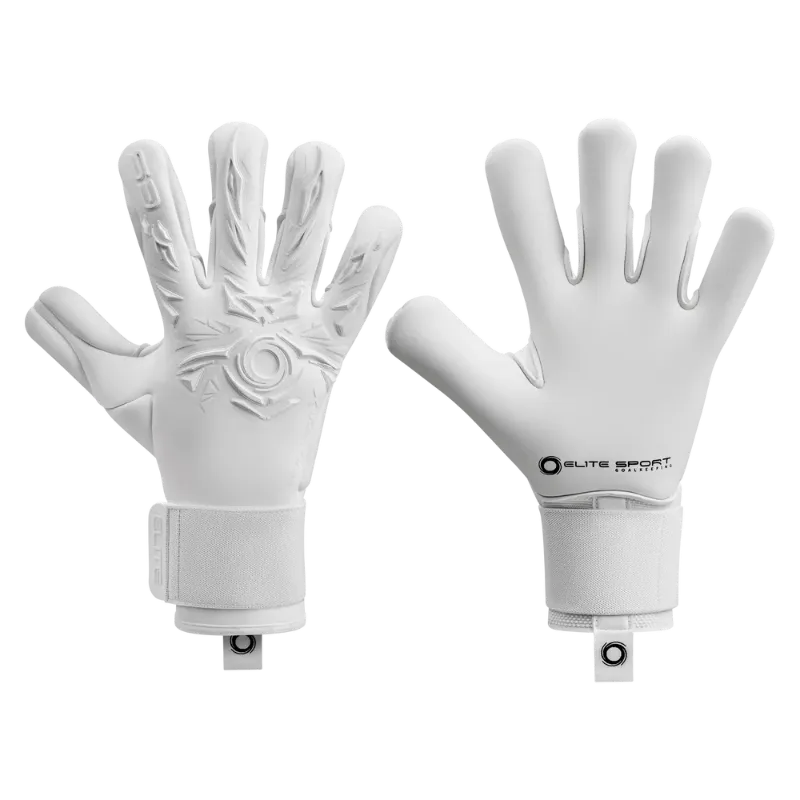
Gloves goalkeeper gloves feature thick latex foam palms engineered for catching and blocking shots, while field player gloves offer minimal padding designed only for warmth in cold weather. Goalkeepers need specialized grip, finger protection, and impact absorption that standard soccer gloves simply don't provide. If you're shopping for keeper gear, gloves goalkeeper gloves deliver the protection and performance required between the posts.
Field player gloves are thin, lightweight, and built to maintain ball touch during dribbling and passing. They won't help you catch a powerful strike or protect your fingers from hyperextension. We'll break down the construction, legal differences, and performance factors so you know exactly which gloves suit your role on the pitch.
Palm Construction and Grip Technology
The palm separates these two glove types more than any other feature. Goalkeeper gloves use soft latex foam in thicknesses ranging from 3 mm to 5 mm, designed to create friction against the ball and cushion impact. This foam wraps around the fingertips and extends across the entire palm, giving keepers the tacky surface needed to secure shots in wet or dry conditions.
Field player gloves typically use textured synthetic materials or thin fleece linings. Their palms prioritize flexibility and breathability over grip, since outfield players need to feel the ball through their boots, not their hands. You'll never see latex foam on a field player glove because it would interfere with throw-ins and make the gloves illegal under match rules.
Key palm differences:
- Goalkeeper gloves feature 3-5 mm latex foam for maximum grip and shock absorption
- Field player gloves use thin synthetic or fleece palms that add warmth without bulk
- Latex creates a tacky surface that becomes stickier when slightly damp
- Synthetic field player palms focus on moisture-wicking and temperature regulation
If you're outfitting young keepers, youth goalie gloves offer age-appropriate foam thickness and cut styles that help beginners learn proper catching technique.
Finger Protection and Wrist Support
Goalkeeper gloves often include removable finger spines or built-in stays that prevent hyperextension when blocking powerful shots. These rigid or semi-rigid inserts run along the back of each finger, allowing natural flexion while stopping dangerous backward bending. High-end models let you remove the spines for training or personal preference.
Field player gloves never include finger protection because outfield players don't face the same hand injury risks. Their fingers need full range of motion for throw-ins, and any stiffening would reduce dexterity. Wrist closures also differ significantly: football goalkeeper gloves feature wide elastic straps, bandage wraps, or dual-strap systems that secure the glove and support the wrist joint during diving saves.
Field player gloves use simple elastic cuffs or short wrist bands that slip on quickly and stay out of the way. The minimal closure prevents interference with sleeves and maintains a clean, streamlined fit.
Protection comparison:
| Feature | Goalkeeper Gloves | Field Player Gloves |
|---|---|---|
| Finger spines | Optional or built-in | Never included |
| Wrist closure | Wide straps, bandage wrap | Elastic cuff only |
| Palm padding | 3-5 mm latex foam | < 1 mm synthetic |
| Backhand protection | Foam or plastic shields | Lightweight fabric |
Legal Use and Match Regulations
FIFA and league rules permit goalkeepers to wear gloves with any level of padding, grip enhancement, or finger protection. Keepers can choose black goalie gloves soccer or pink goalkeeper gloves in any color, as long as the gloves don't contain illegal substances or pose a danger to other players. Referees rarely inspect goalkeeper gloves beyond a basic safety check.
Field players face stricter limitations. They may wear gloves for warmth, but the gloves cannot contain sticky substances, thick padding, or any feature that would give an unfair advantage during throw-ins or when challenging for the ball. Referees will inspect and ban gloves that feel tacky or appear to enhance grip beyond normal fabric friction.
This legal distinction matters if you're considering using soccer gloves designed for outfield play while filling in as a backup keeper. Standard field gloves won't give you the grip or protection you need, and goalkeeper gloves are illegal for outfield players to wear during match play.
Sizing and Fit Considerations
Goalkeeper gloves should fit snugly without restricting blood flow, with fingertips reaching close to the end of each finger pocket. A small gap of 3-5 mm at the fingertip is normal and allows for proper foam compression during catches. Too much extra space causes the glove to slip and reduces contact area with the ball.
When shopping for kids goalkeeper gloves or goalkeeper gloves for kids, measure hand circumference at the widest part of the palm and compare to the manufacturer's size chart. Youth models account for growing hands and typically size up faster than adult gloves.
Field player gloves fit like a second skin, with minimal or no gap at the fingertips. The snug fit maintains sensitivity and prevents bunching inside jacket sleeves. Most outfield players size down compared to their goalkeeper glove size because they don't need room for foam compression.
Sizing tips:
- Measure hand circumference and length before ordering online
- Goalkeeper gloves allow 3-5 mm fingertip gap for foam performance
- Field player gloves fit tighter with no intentional gap
- Goalie gloves kids sizes grow faster to accommodate youth development
Check current pricing with our code to save on your next pair.
Material Durability and Care Requirements
The latex foam in goalkeeper gloves wears down faster than any other glove component. Contact with abrasive surfaces, dry conditions, and rough handling all degrade the foam's tackiness and cushioning. We typically see 15-30 matches of use from mid-range latex, while premium foams may last slightly longer with proper care.
Field player gloves use durable synthetic fabrics or fleece that withstand repeated washing and don't require special treatment. You can throw them in the washing machine and tumble dry them without worrying about material breakdown.
Goalkeeper gloves demand gentle hand-washing in cool water and air-drying away from direct heat. Never machine-wash latex palms or expose them to radiators or sunlight, as heat accelerates foam deterioration. Proper storage between uses extends glove life significantly.
Care comparison:
- Goalkeeper gloves: hand-wash only, air-dry flat, store in breathable bag
- Field player gloves: machine-washable, tumble-dry safe, minimal maintenance
- Latex foam loses grip over time regardless of care quality
- Replace goalkeeper gloves when palms feel hard or lose their tacky texture
Which Gloves Should You Choose?
Select gloves goalkeeper gloves if you're a dedicated keeper who needs professional-grade grip, finger protection, and impact cushioning. The specialized construction justifies the higher price point and maintenance demands. Youth players training in goal should start with youth goalie gloves that match their skill level and hand size.
Choose field player gloves only if you're an outfield player who needs hand warmth in cold weather. Don't attempt to use them in goal, and never wear goalkeeper gloves during outfield play in competitive matches. The wrong glove choice can result in poor performance or rule violations.
For the latest deals on goalkeeper gear, grab our discount code and save on your order. Whether you need star gloves for elite performance or entry-level options for recreational play, the right gloves make a measurable difference in your game.
Frequently asked questions
Can outfield players wear goalkeeper gloves during a match?
No, field players cannot wear goalkeeper gloves in competitive matches because the latex palms provide illegal grip enhancement for throw-ins and ball handling. Referees will require players to remove them.
Do goalkeeper gloves really improve catching ability?
Yes, the latex foam palms on gloves goalkeeper gloves create significantly more friction than bare hands, helping keepers secure shots and crosses. The padding also absorbs impact, reducing sting and improving confidence when facing powerful strikes.
How long do goalkeeper gloves typically last?
Most goalkeeper gloves last 15-30 matches depending on latex quality, playing surface, and care routine. Training on abrasive turf and skipping proper washing shorten glove life, while gentle use on grass and correct maintenance extend it.
Should youth goalkeepers use finger protection spines?
Finger spines help prevent hyperextension injuries in youth goalie gloves, especially for players still developing proper catching technique. Many coaches recommend removable spines so young keepers can adjust protection as their skills improve.
What's the difference between 3mm and 4mm goalkeeper glove foam?
Thicker 4mm foam provides more cushioning and impact protection but slightly reduces ball feel, while 3mm foam offers better touch and flexibility with less padding. Most recreational keepers prefer 4mm, while advanced players often choose 3mm for enhanced sensitivity.
Can I wash goalkeeper gloves in a washing machine?
No, never machine-wash goalkeeper gloves because the agitation and heat damage latex foam. Hand-wash them gently in cool water and air-dry flat to preserve grip and extend glove life.