

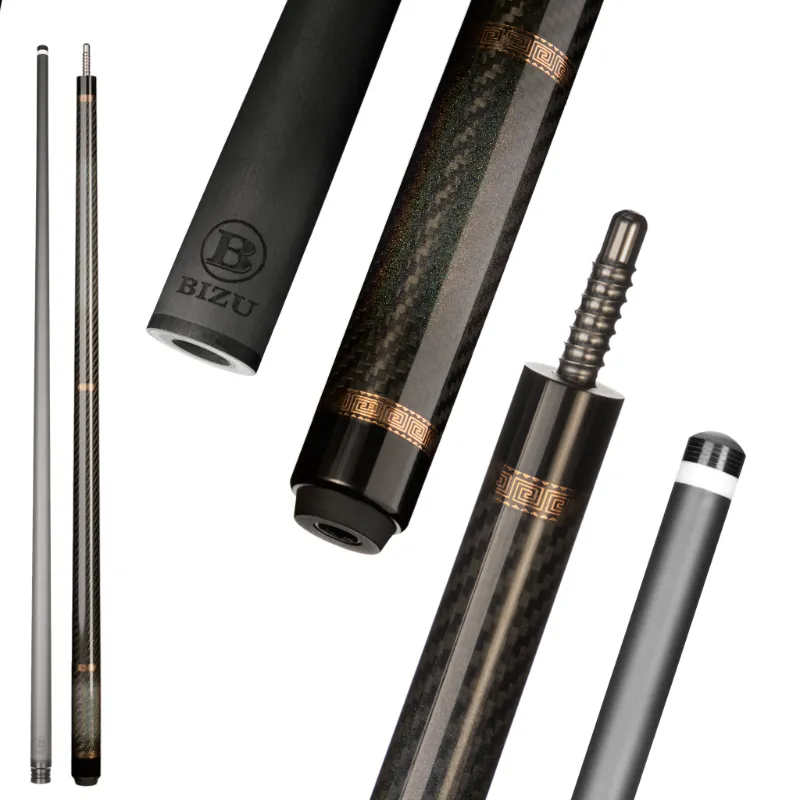
What Makes a Good Beginner Pool Cue Worth Buying
A good beginner pool cue offers straight wood or composite construction, consistent weight between 18 and 21 ounces, and a standard 13mm tip that helps you learn proper stroke mechanics. You don't need to spend hundreds on your first cue, but avoiding the cheapest house cues will accelerate your progress and protect your investment as you improve.
Most new players waste money on flashy designs or overpay for pro-level features they can't yet use. We tested dozens of entry-level cues to help you focus on what actually matters: balance, durability, and value. Whether you're shooting billiards 8 ball casually or building skills for league play, the right starter cue sets the foundation for years of enjoyment.
Weight and Balance: Finding Your Comfort Zone
Cue weight directly affects your control and stamina during longer sessions. Most beginners perform best with an 18 to 19-ounce cue, which offers enough heft for consistent strikes without tiring your arm after a few racks.
- 18-19 oz: ideal for developing smooth, controlled strokes and learning finesse shots
- 19-20 oz: the middle ground that suits most body types and playing styles
- 20-21 oz: better for players with larger frames or those who prefer a more powerful break
Balance point matters just as much as total weight. A beginner cue stick should balance 16 to 18 inches from the butt, creating a natural pivot that makes follow-through easier. Hold a cue horizontally on one finger to test this before you buy. If you're comparing options or checking current pricing, grab the code for 6% off all orders at BIZU BILLIARDS.
Material Choices: Wood vs Carbon Fiber for Starters
Your cue's material determines how it plays, how long it lasts, and how much maintenance it demands.
| Material | Durability | Feel | Price Range |
|---|---|---|---|
| Maple | Moderate | Traditional, responsive | Budget-friendly |
| Ash | Good | Slightly flexible, forgiving | Mid-range |
| Carbon Fiber | Excellent | Stiff, consistent | Higher investment |
Maple remains the standard for entry-level cues because it delivers reliable performance at an accessible price. The wood responds naturally to your stroke and develops character as you play. Ash offers a bit more flex, which some beginners find forgiving on off-center hits.
A carbon fiber cue costs more upfront but resists warping in humid conditions and requires almost no maintenance. If you live in a climate with high humidity or temperature swings, carbon fiber pays for itself by eliminating the need for frequent straightening or refinishing. For most casual players learning the game, a quality maple good beginner pool cue strikes the best balance between cost and performance.
Tip Size and Joint Type: Technical Details That Matter
Tip diameter shapes how the cue interacts with the ball. A 13mm tip is the universal standard for beginners because it offers a wide enough contact patch for forgiveness while still allowing you to learn spin and English as your skills grow.
Avoid these common tip mistakes:
- Tips smaller than 12mm demand precision most beginners haven't developed yet
- Soft tips (below medium hardness) mushroom quickly and need constant shaping
- Rock-hard tips transmit too much shock and make finesse shots nearly impossible
Joint construction affects both feel and long-term durability. Stainless steel joints dominate the beginner market because they're affordable and nearly indestructible. Brass joints add slightly more feedback but cost a bit more. Unless you're planning to upgrade within six months, either metal joint will serve you well.
The joint protector that comes with your cue isn't optional. It prevents thread damage when the cue is disassembled, and replacing a damaged joint costs more than most beginner cues are worth.
When to Add a Break Cue to Your Arsenal
You don't need a dedicated break cue on day one, but it becomes worthwhile once you're playing multiple times per week. Break cues use harder tips and reinforced construction to handle the repeated impact of power breaks without transferring that stress to your shooting cue.
Using your playing cue for heavy breaks accelerates tip compression, can loosen the ferrule, and may eventually cause the shaft to develop a slight bend. If you're serious about improving or joining a league, budget for a break cue within your first few months. The investment protects your primary cue and often improves your break consistency since these cues are engineered specifically for maximum energy transfer.
Check the latest price on break cues and starter packages at BIZU BILLIARDS, where you'll also find the current discount code for additional savings.
Maintenance Basics: Keeping Your Cue Straight and Ready
Even budget-friendly cues last years when you treat them properly. Store your cue vertically or in a proper case, never lean it in a corner where it can warp under its own weight. Wipe down the shaft after every session to remove hand oils, chalk dust, and moisture that cause the wood to swell unevenly.
Simple maintenance routine:
- Wipe the shaft with a slightly damp cloth after play
- Burnish the wood with a dedicated shaft slicker weekly
- Shape and scuff the tip every 4-6 hours of play
- Check ferrule tightness monthly
If your cue develops a slight warp or you notice tip damage, you can often fix a pool cue yourself with basic repair supplies. Minor straightening involves hanging the cue with a weight or using gentle heat, while tip replacement requires only a few dollars in materials and ten minutes of work.
Smart Shopping: Where Budget Meets Quality
Your first cue should cost between $50 and $150. Below $50, you're getting house-cue quality with cosmetic upgrades. Above $150, you're paying for features like exotic woods, intricate inlays, or low-deflection technology that won't improve your game until you've mastered the fundamentals.
Focus your budget on construction quality rather than appearance. A plain maple cue with a solid joint and properly installed tip will outperform a flashy cue with cheap components every time. Read reviews that mention straightness out of the box, joint stability after months of use, and how the tip holds its shape.
When you're ready to buy, visit BIZU BILLIARDS' discount code page for current pricing and the latest 6% off coupon. Buying your first beginner cue stick and essential accessories together often qualifies for better deals than purchasing items separately.
Who This Cue Style Suits Best
A good beginner pool cue works for anyone learning proper fundamentals, whether you're picking up the game casually or training for competitive play. The 18-20 ounce weight range and standard tip diameter accommodate different body types and playing styles without forcing you to adapt to extreme specifications.
These cues suit players who practice at home, shoot recreationally at bars, or join beginner leagues. You'll outgrow an entry-level cue only if you develop advanced techniques like extreme spin or precision position play that benefit from low-deflection shafts. For most players, that transition happens after a year or more of regular play, giving your starter cue plenty of time to prove its value.
 Shopping at BIZU BILLIARDS? See today's verified BIZU BILLIARDS discount code
Frequently asked questions
What weight should a good beginner pool cue be?
Most beginners perform best with an 18 to 19-ounce cue, which provides enough weight for control without causing arm fatigue. Test a few weights if possible, since personal preference and body type influence comfort during extended play.
Do I need a separate break cue when starting out?
Not immediately. A break cue becomes worthwhile once you play multiple times per week, since it protects your shooting cue from the stress of repeated power breaks. Budget for one within your first few months if you're playing regularly.
Is a carbon fiber cue worth the extra cost for beginners?
Carbon fiber makes sense if you live in humid climates or want a maintenance-free option, but quality maple delivers excellent performance at a lower price point. Most beginners get better value from a solid wood cue and investing the savings in practice time or accessories.
How often should I replace the tip on my beginner cue stick?
Tips typically last 40 to 80 hours of play depending on hardness and how often you shape them. Replace a tip when it becomes too thin to reshape, starts separating from the ferrule, or loses its ability to grip the ball properly.
Can I fix a warped pool cue myself?
Minor warps can often be corrected by hanging the cue with a light weight or using gentle, controlled heat. Severe warping usually requires professional tools, and prevention through proper storage is always easier than repair.
What tip size is best for learning billiards 8 ball?
A 13mm tip is the standard for beginners because it offers forgiveness on off-center hits while still allowing you to learn spin and English as your skills develop. Avoid smaller tips until you've built consistent stroke mechanics.