
How to Clean Your Dry Herb Vaporizer for Better Flavor and Longevity

How to Clean Your Dry Herb Vaporizer for Better Flavor and Longevity
Regular cleaning transforms your dry herb vaporizer from a sticky, flavor-muting device into one that delivers clean, potent vapor every session. We've tested dozens of portable and desktop units, and the difference between a maintained vaporizer and a neglected one is immediately noticeable in taste, draw resistance, and device lifespan.
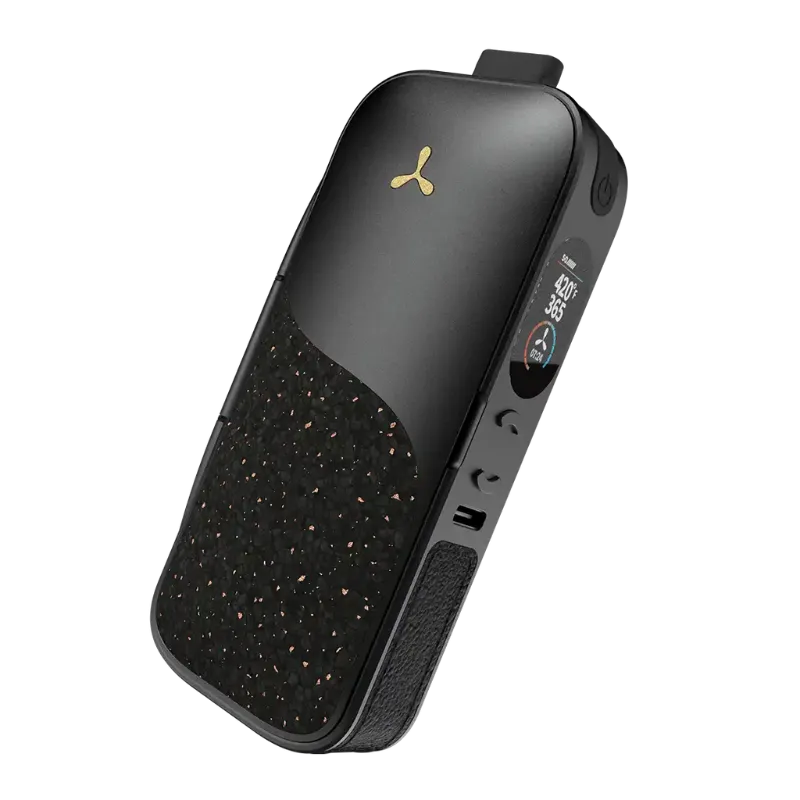
A well-maintained airvape legacy pro or flower vape will last years longer than one that's never cleaned. Resin buildup clogs airflow, burns onto heating elements, and creates harsh, bitter vapor that masks the terpene profiles you're paying for. The good news: most vaporizers need only 10 to 15 minutes of maintenance every few sessions.
What You Need to Clean a Dry Herb Vaporizer
Gather these supplies before you start:
- Isopropyl alcohol (90% or higher works best)
- Cotton swabs or pipe cleaners
- Small brush (many vaporizers include one)
- Paper towels or microfiber cloth
- Toothpicks or wooden skewers for stubborn resin
- Small container for soaking removable parts
Avoid harsh solvents, abrasive scrubbers, or anything that could scratch heating chambers. Most air vape units and similar portables use ceramic or stainless steel chambers that clean easily with the right tools.
Step-by-Step Cleaning Process
Disassemble your device completely. Remove the mouthpiece, screens, cooling units, and any other detachable parts. Check your manual if you're unsure what comes apart. Most dry herb vaporizer models have at least three removable components.
Brush out loose material. Use a dry brush to sweep out leftover flower and visible residue from the chamber and airpath. Do this while the chamber is slightly warm (not hot) for easier removal. Turn the device upside down and tap gently to dislodge stuck particles.
Soak removable parts. Place screens, mouthpieces, and cooling units in a small container filled with isopropyl alcohol. Let them soak for 15 to 30 minutes. For heavily caked-on resin, an hour-long soak works wonders.
Swab the chamber and airpath. Dip a cotton swab in isopropyl alcohol and gently scrub the heating chamber, avoiding the heating element itself if it's exposed. Use pipe cleaners dipped in alcohol to thread through airholes and vapor paths. Rotate and replace swabs as they collect residue.
Detail stubborn spots. Use a toothpick wrapped in a small piece of alcohol-dampened paper towel to reach tight corners and threads. Be gentle around O-rings and silicone seals.
Rinse and dry thoroughly. Rinse soaked parts under warm water to remove alcohol and loosened resin. Shake off excess water and lay everything on a clean towel. Let all components air-dry completely before reassembly. Any moisture left in the device can damage electronics or create unpleasant vapor.
Reassemble and test. Put your vaporizer back together, ensuring screens and seals are seated properly. Run one empty heat cycle to burn off any residual alcohol before your next session.
How Often Should You Clean Your Vaporizer
Cleaning frequency depends on how often you vape and what materials you use:
- Light users (1-3 sessions per week): Deep clean every two weeks, quick brush-out after each session
- Daily users: Deep clean weekly, swab the chamber every 2-3 days
- Heavy users (multiple sessions daily): Deep clean twice a week, daily chamber maintenance
Devices like the xvape and vape x benefit from more frequent attention if you're pushing multiple bowls back-to-back. Sticky concentrates (if your unit supports wax for wax pen use) require even more frequent cleaning than dry herb alone.
You'll know it's time to clean when draw resistance increases, flavor turns harsh or muted, or you see visible buildup around the chamber rim. Don't wait until the device stops working.
Pro Tips for Maintaining Your Device Between Deep Cleans
Replace screens regularly. Screens clog faster than any other component. Swap them out every month or when airflow noticeably drops, even if they look clean. Keep spares on hand.
Use the right grind. Medium-fine grinds produce less debris and distribute heat more evenly than powder-fine or chunky material. Fewer sticky particles mean less frequent cleaning.
Avoid overloading the chamber. Packing too tight restricts airflow and pushes material into airways. Fill to about 80% capacity and tamp lightly.
Let it cool before cleaning. Hot resin smears and spreads. Wait five minutes after your session, then brush out the chamber while it's warm but safe to touch.
Store your vaporizer upright. Laying a used device on its side can let resin drip into electronics or airholes.
When you grab the code for your next device or accessories, consider picking up extra screens, cleaning brushes, and replacement O-rings. These wear items keep your investment running smoothly.
Common Cleaning Mistakes to Avoid
Using water in the chamber. Water and electronics don't mix. Never rinse the main body or submerge anything with wiring. Alcohol evaporates quickly and won't corrode components.
Scraping metal heating chambers with metal tools. This scratches protective coatings and creates hot spots. Stick to wood, plastic, or soft brushes.
Reassembling while damp. Trapped moisture causes corrosion, short circuits, and mold growth in airholes. Patience pays off here.
Ignoring the mouthpiece. The mouthpiece collects condensed vapor and harbors bacteria. It deserves as much attention as the chamber.
Forgetting to clean threads. Residue in threads makes mouthpieces and chambers hard to twist on and can cross-thread delicate parts. A quick wipe with an alcohol-dampened cloth prevents this.
Why Regular Cleaning Extends Device Life
Resin is acidic and corrosive over time. Left unchecked, it etches metal, degrades silicone seals, and clogs precision-machined airholes that can't be fully restored. We've seen $200+ units fail prematurely because users never cleaned the vapor path.
Clean devices also heat more evenly. Buildup insulates the chamber walls and creates uneven temperature distribution, leading to partially vaped bowls and wasted material. A spotless chamber delivers consistent extraction from the first draw to the last.
Flavor is the most immediate benefit. Terpenes are delicate and easily overpowered by burnt resin. If you've invested in quality flower, don't mask it with last week's buildup. The difference between a clean and dirty dry herb vaporizer is the difference between tasting your strain's actual profile and tasting char.
If you're shopping for a new device or replacement parts, check the latest price and see what's currently discounted. A little upfront investment in cleaning supplies and spare parts saves you from expensive replacements down the line.
Cleaning Different Vaporizer Types
Conduction vaporizers (chamber walls heat the material directly) accumulate more baked-on residue than convection models. Budget extra time to scrub chambers on conduction units, and consider using a small amount of high-grit sandpaper (600+) on metal chambers only if resin won't budge with alcohol alone.
Convection vaporizers (hot air passes through the material) stay cleaner longer but still need regular airpath maintenance. Focus on intake and exhaust vents, which collect fine particles.
Hybrid models combine both heating methods and require attention to both chamber walls and airholes. Many premium portables fall into this category and benefit from the full cleaning routine outlined above.
Desktop units often have larger chambers and more complex glass or whip systems. These components are usually dishwasher-safe or can handle hot water and soap, but always verify with your manual first.
No matter which type you own, consistency beats intensity. A quick five-minute clean after every few sessions prevents the need for hour-long restoration projects. We'd rather spend our time enjoying great vapor than scraping resin, and we're guessing you feel the same way.
Frequently asked questions
How often should I clean my dry herb vaporizer?
Light users should deep clean every two weeks, while daily users need weekly deep cleans with chamber maintenance every 2-3 days. Heavy users benefit from twice-weekly deep cleans and daily chamber brush-outs.
Can I use water instead of isopropyl alcohol to clean my vaporizer?
No, avoid water in the main chamber or any area with electronics. Isopropyl alcohol (90% or higher) evaporates quickly and won't damage components, while water can cause corrosion and short circuits.
What happens if I don't clean my vaporizer regularly?
Resin buildup clogs airflow, creates harsh and bitter vapor, masks flavor, and can permanently damage heating elements and airholes. Neglected devices fail prematurely and waste material through uneven heating.
Is it safe to clean the heating chamber with a metal tool?
No, metal tools scratch protective coatings and create hot spots in the chamber. Use wooden toothpicks, plastic scrapers, soft brushes, or alcohol-dampened cotton swabs instead.
How do I know when my vaporizer screens need replacing?
Replace screens monthly or whenever you notice reduced airflow, even if they look clean. Keep spare screens on hand so you can swap them immediately when draw resistance increases.
Can I clean my Airvape Legacy Pro the same way as other vaporizers?
Yes, the basic cleaning process works for all dry herb vaporizers. Disassemble removable parts, soak them in isopropyl alcohol, swab the chamber, and dry everything completely before reassembly.