
Does Wax Concentrate Work in a Flower Vaporizer?

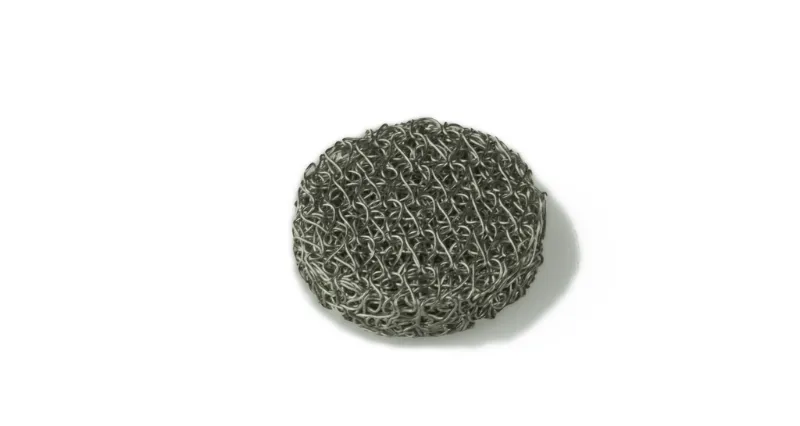
Most flower vaporizers cannot vaporize wax for wax pen without a dedicated concentrate insert or atomizer, though some dual-use models handle both. Standard dry herb vaporizer chambers are designed for the lower, slower heat required by ground flower, while wax concentrate demands direct, high-temperature contact to melt and vaporize properly.
We tested dozens of devices to understand which setups truly work for both materials and which attempts end in a sticky mess. Here's what you need to know before loading wax into a device built for flower.
Why Most Flower Vapes Can't Handle Wax Concentrate
Flower vaporizers use convection or conduction heat tuned to dry plant material. Wax concentrate, on the other hand, melts at lower temperatures but requires a hotter coil or dish to fully vaporize without leaving residue.
When you load wax into a standard flower vape chamber, several problems emerge:
- Wax melts and seeps into the airpath, clogging screens and damaging electronics
- Uneven heating leaves puddles of unvaporized concentrate
- Residue buildup degrades flavor and requires intensive cleaning
- Warranty violations on most devices explicitly prohibit concentrate use
The few flower vaporizers that do accept wax require a separate concentrate pad, crucible, or coil insert that isolates the wax from the main herb chamber. Without that barrier, you risk both poor performance and permanent damage.
Devices Built for Both Flower and Wax
A handful of premium models ship with interchangeable chambers or inserts that let you switch between materials. The airvape legacy pro is one example of a dual-use device engineered to handle both flower and concentrate safely.
These hybrid systems typically include:
- A ceramic or quartz concentrate insert that drops into the main chamber
- Higher maximum temperature settings (often 400°F+)
- Isolated airpaths to prevent wax from reaching sensitive components
- Tool kits for loading and cleaning concentrate residue
If you plan to vape both materials regularly, a purpose-built hybrid or a dedicated wax for wax pen alongside your flower device will deliver better results than forcing one device to do both jobs poorly. Check the latest pricing to compare hybrid models and standalone wax pens.
Understanding Wax Pen vs Flower Vape Design
The core difference lies in the heating element. A wax pen uses a coil, rod, or dish atomizer that makes direct contact with concentrate, reaching temperatures of 350–500°F in seconds. Wax pen vs. dab pen designs vary, but all prioritize instant, intense heat.
Flower vaporizers, by contrast, use convection air or conduction plates to gently bake ground herb at 350–420°F over several minutes. That gradual heat extraction preserves terpenes in flower but cannot efficiently vaporize sticky wax.
Some advanced air vape models bridge the gap with modular heating systems, but most entry-level and mid-tier flower vapes lack the hardware to safely process concentrate.
What Happens If You Try It Anyway
We've seen users attempt to load wax directly into herb chambers, and the results are consistent:
- First session: partial vapor production, followed by a burning smell as wax seeps past the screen
- Cleanup: sticky residue coats the chamber, airpath, and mouthpiece
- Subsequent sessions: diminished flavor, reduced airflow, and potential short-circuiting if wax reaches the battery compartment
Even alcohol soaking and brushing often cannot fully restore a flower vape after wax contamination. The cost of replacement parts or a new device quickly exceeds the price of a dedicated wax atomizer.
Choosing the Right Setup for Your Needs
If you primarily vape flower but occasionally want concentrate, look for a flower vaporizer that explicitly supports a concentrate accessory. The xvape and vape x lines both offer add-on options for select models.
If you consume wax daily or in equal measure to flower, invest in a standalone wax pen or a true dual-chamber device. A refillable wax cartridge or 510 wax atomizer paired with a mod battery gives you flexibility without compromising either experience.
For buyers exploring best wax pens, consider coil type (quartz for flavor, ceramic for longevity), battery capacity, and ease of cleaning. Brands like Yocan dominate the budget wax pen category, while premium models offer precise temperature control and replaceable atomizers.
Grab our discount code for 10% off if you decide to add a dedicated wax device to your collection.
Maintaining Separate Devices vs Dual-Use Models
We recommend keeping flower and wax vaporizers separate unless you own a hybrid engineered for both. The performance and longevity gains outweigh the convenience of a single device.
Separate devices:
- Optimized heating for each material
- No cross-contamination of flavors
- Easier, less frequent cleaning
- Lower risk of damage
Dual-use hybrids:
- Single device to carry and charge
- Requires frequent insert swaps and cleaning
- Higher upfront cost but eliminates need for two devices
If you choose a hybrid, clean the concentrate insert after every session and inspect seals regularly to prevent leakage. Most manufacturers detail best practices for insert care in their manuals.
How to Test Compatibility Safely
Before committing wax to your flower vaporizer, check three things:
- User manual: does it explicitly list concentrate use or include a concentrate accessory?
- Chamber design: is there a separate crucible, or does the herb chamber have direct electronics exposure below the screen?
- Warranty terms: most brands void coverage if concentrate damage is detected
If all three check out and you have the correct insert, start with a rice-grain-sized dab at the lowest compatible temperature. Monitor for leakage or unusual odors. If the device passes that test, you can cautiously increase load size and temperature.
Never force wax into a device that lacks explicit concentrate support. The short-term savings are not worth a ruined vaporizer or a harsh, unpleasant session.
For most users, a dedicated wax for wax pen and a quality dry herb vaporizer will deliver the best experience for both materials without compromise.
Frequently asked questions
Can I use wax for wax pen in any dry herb vaporizer?
No. Most dry herb vaporizers will be damaged by wax concentrate unless they include a dedicated concentrate insert or crucible. Wax melts and seeps into the airpath, clogging components and voiding warranties.
What's the difference between a wax pen and a flower vaporizer?
A wax pen uses a direct-contact coil or dish atomizer that reaches 350–500°F in seconds, while a flower vaporizer uses convection or conduction heat tuned for dry herb at lower, slower temperatures. The heating methods are incompatible without adapters.
Do I need a separate device for wax and flower?
It depends. If your flower vaporizer supports a concentrate accessory, you can use one device for both. Otherwise, separate devices deliver better performance, easier cleaning, and no risk of cross-contamination or damage.
How do I clean a vaporizer after using wax concentrate?
Remove the concentrate insert and soak it in isopropyl alcohol for 20–30 minutes, then scrub with a brush. Wipe the chamber and airpath with alcohol-dampened swabs, and let all parts dry completely before reassembling.
Which vaporizers handle both flower and wax concentrate?
Premium models like the Airvape Legacy Pro ship with interchangeable chambers or inserts for both materials. Look for devices that explicitly list dual-use capability and include a ceramic or quartz concentrate accessory.
Will using wax in a flower vape void my warranty?
Yes, in most cases. Manufacturers typically void warranties if they detect concentrate residue or damage in a device not designed for wax. Always check your warranty terms before experimenting.