
What to Look for When Buying Your First Portable Vaporizer

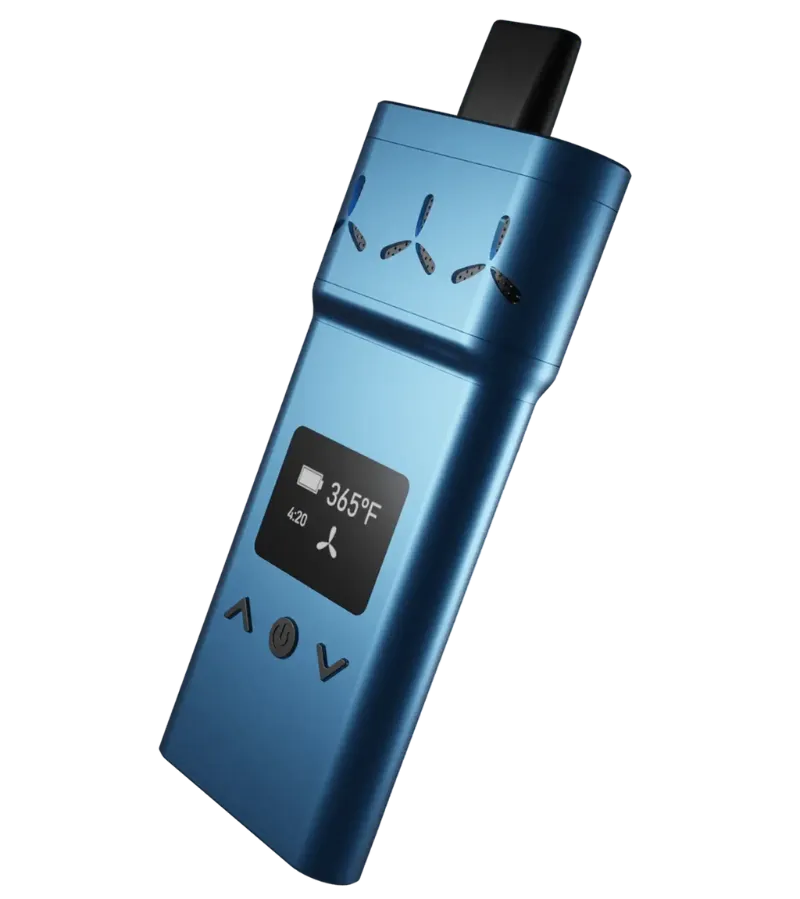
What to Look for When Buying Your First Portable Vaporizer
A quality dry herb vaporizer delivers better flavor, efficiency, and control than combustion, but first-time buyers face dozens of models and confusing specs. Your ideal portable depends on how you'll use it, whether you prioritize battery life over size, and which heating method suits your routine. We tested a range of devices to break down exactly what matters before you buy.
Heating Method: Conduction vs Convection
The heating method shapes your entire experience, from vapor quality to learning curve.
Conduction vaporizers heat material through direct contact with a metal or ceramic chamber. They warm up in 20 to 40 seconds, cost less, and work well for solo sessions. The tradeoff is uneven heating: you'll need to stir the chamber midway through to avoid hot spots. Many budget and mid-range models use conduction because it keeps manufacturing simple.
Convection devices pass hot air through the material, producing cleaner flavor and more even extraction. They take 60 to 90 seconds to reach temperature and typically cost more, but you won't need to stir. The airvape legacy pro uses hybrid convection-conduction for balanced performance without the full convection price premium.
Hybrid systems combine both methods: conduction for fast heat-up, convection for flavor. This middle ground works well for first-timers who want quality without mastering a pure convection technique.
If you're coming from smoking, conduction feels more familiar. If flavor and even heating matter most, budget for convection or hybrid.
Battery Life and Charging Speed
Portability means nothing if your device dies mid-session. Look for these benchmarks:
- 4 to 6 sessions per charge for casual daily use
- Removable 18650 batteries if you want to swap in a fresh cell on the go
- USB-C charging for faster top-ups (60 to 90 minutes vs 2+ hours with micro-USB)
- Pass-through charging so you can use the device while plugged in
Built-in batteries are lighter and simpler, but once they degrade after 300 to 500 cycles, you'll need a new vaporizer. Removable cells add bulk but extend the device's lifespan by years. Check the air vape lineup if swappable power matters to you.
Most portable vaporizers take 10 to 15 minutes to fully extract a chamber. A 2000 mAh battery typically delivers five or six chambers before needing a charge.
Size, Weight, and True Portability
"Portable" spans pocket-friendly pods to devices the size of a flask. Decide where you'll actually use it:
- Pocket carry: under 100 grams, fits in a closed fist, one-handed operation
- Bag or home use: 120 to 200 grams, larger chamber, longer battery, less discreet
- Travel-friendly: durable shell, secure mouthpiece cap, no glass parts
A flower vape small enough for your pocket usually has a smaller chamber (0.2 to 0.3 grams) and shorter battery. Larger models hold 0.5 grams and last all day but won't slip into jeans.
Weight matters more than dimensions. A compact aluminum device at 110 grams feels lighter in hand than a bulky plastic unit at the same weight.
Chamber Material and Vapor Path
What touches your material and what the vapor travels through both affect flavor and safety.
Chamber materials:
- Stainless steel: durable, heats evenly, neutral taste
- Ceramic: excellent flavor, fragile if dropped
- Aluminum: fast heat-up, can impart slight metallic taste in cheap models
Vapor path:
- All-glass: purest flavor, fragile
- Stainless steel: durable, easy to clean, minimal taste
- Silicone or plastic: avoid direct contact with hot vapor (look for isolated air paths)
Reputable brands list materials in the manual. If a manufacturer doesn't specify chamber and path composition, that's a red flag. The xvape and vape x lines publish full material specs for transparency.
Temperature Control and Precision
Dry herb releases different compounds at different temperatures. Precise control lets you tailor effects and flavor:
| Temperature Range | Effect | Flavor |
|---|---|---|
| 160–180°C (320–356°F) | Light, cerebral, terpene-rich | Bright, aromatic |
| 185–200°C (365–392°F) | Balanced potency, moderate vapor | Full-bodied, smooth |
| 205–220°C (401–428°F) | Maximum extraction, sedative | Toasted, harsher |
Preset modes (3 to 5 fixed temps) work fine for beginners. Degree-by-degree control gives experienced users more flexibility. Some devices pair with smartphone apps for custom curves and session tracking.
Avoid vaporizers with only one or two heat settings. You'll want at least three presets to explore what you prefer. Check the latest price on models with full digital displays for real-time temp monitoring.
Build Quality, Warranty, and Support
Your first dry herb vaporizer should last years, not months. Evaluate:
- Warranty length: 2+ years signals manufacturer confidence (1 year is standard, 90 days is a warning)
- Replaceable parts: mouthpieces, screens, and batteries wear out; availability matters
- Customer service: responsive email or chat, helpful troubleshooting, honor warranty claims
- Firmware updates: some brands push performance improvements via USB (rare but valuable)
Read independent reviews from trusted sources like Best Dry Herb Vaporizers 2026 and The Best Dry Herb Vapes Around $100 to see how devices hold up after six months of daily use.
Metal or high-grade polymer bodies survive drops better than cheap plastic. Magnetic or threaded chamber lids outlast friction-fit designs. Recessed screens stay put; loose screens fall out during cleaning.
Cleaning and Maintenance Requirements
Residue builds up fast. A device that's annoying to clean gets used less and performs worse over time.
Easy maintenance includes:
- Removable mouthpiece and vapor path (soak in isopropyl alcohol)
- Accessible chamber with smooth walls (wipe with alcohol swab)
- Replaceable screens (buy a 10-pack for a few dollars)
- No tiny crevices where resin hides
Budget 5 to 10 minutes after every 5 to 10 sessions for a quick clean, and a full 20-minute deep clean monthly. Grab the code to save on a dry herb vaporizer with dishwasher-safe components or tool-free disassembly.
Convection devices stay cleaner longer because material doesn't touch hot metal. Conduction chambers need more frequent scraping.
What We Recommend for First-Time Buyers
Start with a hybrid heating system, 4+ session battery, precise temp control, and a 2-year warranty. The mid-range sweet spot (around $150 to $200 with our discount) balances quality and cost without overpaying for features you won't use yet.
Avoid the cheapest models under $50; they use questionable materials and break within months. You also don't need a $300+ flagship for your first device unless you know you'll use advanced features daily.
For current pricing and to check the latest Airvape deals, compare the models we linked throughout this guide. Each suits different priorities, from ultra-portable to session-length powerhouses. If you're also curious about concentrates, explore wax for wax pen options that pair with some dry herb chambers.
Your first portable vaporizer teaches you what you value. Buy something reliable, learn your preferences, then upgrade with confidence once you know whether you prioritize flavor, battery, or size.
Frequently asked questions
What is the difference between a dry herb vaporizer and a wax pen?
A dry herb vaporizer heats ground flower in a chamber using conduction or convection, while a wax pen uses a coil or ceramic dish to vaporize concentrates. Some hybrid devices handle both with swappable chambers, but most are optimized for one material type.
How long does a portable vaporizer battery last?
Most portable vaporizers deliver 4 to 6 full chambers per charge with a built-in battery. Devices with removable 18650 cells let you swap in a fresh battery instantly, extending your range indefinitely if you carry spares.
Do I need to stir the chamber during a session?
Conduction vaporizers benefit from a mid-session stir to ensure even heating, since material touches the hot chamber walls directly. Convection and hybrid models extract more evenly and usually don't require stirring.
Can I use the Airvape Legacy Pro for concentrates?
The Airvape Legacy Pro is designed for dry herb with a hybrid heating system. Some vaporizers offer separate concentrate inserts or chambers, but you'll want a dedicated wax pen or a model explicitly marketed as dual-use for best results with concentrates.
How often should I clean my portable vaporizer?
Clean the mouthpiece and vapor path every 5 to 10 sessions with isopropyl alcohol, and do a full disassembly clean monthly. Regular maintenance prevents buildup that restricts airflow and degrades flavor.
What temperature should I set for the best flavor?
Start between 165°C and 180°C (330°F to 356°F) for bright, terpene-rich flavor with lighter effects. Increase to 185°C to 200°C (365°F to 392°F) for balanced potency and fuller vapor, then experiment to find your sweet spot.