
Why Is My Airvape Not Producing Enough Vapor? Troubleshooting Guide

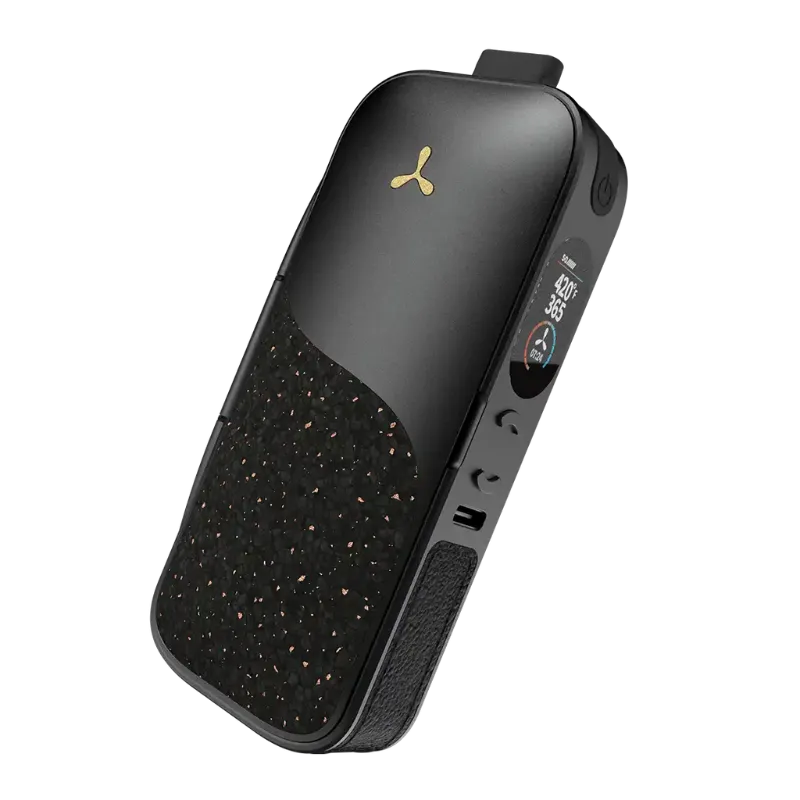
Why Is My Airvape Not Producing Enough Vapor? Troubleshooting Guide
The airvape legacy pro should deliver dense, flavorful clouds every session, but if you're seeing wisps instead of thick vapor, you're not alone. Weak vapor from your airvape legacy pro typically comes down to five fixable issues: temperature settings, grind consistency, pack density, battery charge, or airflow restrictions. We'll walk you through each one so you can get back to full clouds fast.
This guide covers practical troubleshooting steps for the Legacy Pro and other dry herb vaporizer models. We've tested these fixes across dozens of sessions, and most vapor problems resolve in under five minutes once you know what to check.
Check Your Temperature Settings First
Temperature is the single most common culprit when your flower vape isn't producing enough vapor. The airvape legacy pro offers precision control, but starting too low or too high can kill your clouds.
Start at 380°F to 390°F for most dry herb strains. Below 370°F, you'll get flavor but minimal visible vapor. Above 410°F, you risk combustion and harsh hits. If you've been vaping at 350°F wondering why you see nothing, bump it up by 20 degrees and wait a full heat cycle before drawing.
Let the unit fully preheat. The Legacy Pro vibrates when it reaches target temp—wait for that signal, then give it an extra 10 seconds. Conduction and hybrid devices like the air vape need that soak time to heat the herb evenly. Rushing your first draw pulls cool air through before the chamber saturates.
Many users also forget to step up temperature mid-session. Start at 375°F for flavor, then increase by 10-degree increments every few draws. By your final hits, you should be around 400°F to extract the last cannabinoids and produce thicker vapor.
Grind Consistency and Pack Density Matter
How you prepare and load your herb directly impacts vapor production. A poor grind or incorrect pack can choke airflow or create hot spots that waste material.
Use a medium-fine grind. Too coarse and air channels around the chunks without extracting; too fine (like powder) and you restrict airflow, making it hard to draw and reducing vapor. A standard four-piece grinder flipped upside down for a few extra rotations hits the sweet spot.
Fill the chamber but don't compress. The Legacy Pro's oven performs best when loosely packed to about 80 percent capacity. Tamp gently with a finger or tool—just enough to level the surface, not to create a puck. Overpacking chokes the airflow paths and leads to uneven heating, while underpacking leaves gaps that produce thin, uneven vapor.
Stir halfway through. After four or five draws, pop the mouthpiece and gently stir the bowl with a dab tool or toothpick. This redistributes the herb, exposes unvaped material to the heat, and often doubles the vapor output for your remaining hits.
Battery Charge and Power Delivery
A low battery can't maintain the wattage needed for full vapor production, even if the device powers on and heats up. The airvape legacy pro uses a 3500 mAh cell that delivers consistent performance—until it drops below 30 percent.
Charge before you hit the red zone. When the battery indicator shows one or two bars, vapor quality falls off noticeably. The heater still reaches the set temperature, but it recovers more slowly between draws, leading to weaker clouds. Plug in and top up if you notice a sudden drop in vapor density mid-session.
Inspect your charging cable and port. A damaged USB-C cable or debris in the port can prevent a full charge. Clean the port with a dry toothpick or compressed air, and swap cables if charging takes longer than two hours. Check our discount code for deals on official replacement accessories.
Cold weather drains batteries faster. If you vape outdoors or store your device in a car during winter, let it warm to room temperature before use. Lithium-ion cells lose capacity in the cold, and a chilled Legacy Pro may struggle to hold temp even on a full charge.
Airflow and Draw Technique
Vaporizers aren't cigarettes—pulling too hard or too fast cools the chamber and dilutes vapor. The Legacy Pro uses a hybrid convection-conduction system that rewards a slow, steady draw.
Draw gently for 8 to 12 seconds. Think of sipping hot tea, not ripping a bong. A slow, controlled inhale gives the heater time to warm the passing air and extract from the herb. Fast draws flood the chamber with cool air, dropping the effective temperature and thinning your vapor.
Check for airflow blockages. Remove the mouthpiece and look through both the vapor path and the intake vents at the base. Resin buildup or stray herb particles can restrict airflow over time. Use a pipe cleaner or the included cleaning brush to clear the path, and soak the mouthpiece in isopropyl alcohol every few sessions.
Make sure the mouthpiece is seated correctly. A loose or misaligned mouthpiece creates gaps that leak air and reduce vapor density. Press firmly until you feel or hear it click into place.
Compare Performance: Airvape Legacy Pro vs Mighty
If you've used other portables like the Storz & Bickel Mighty, you may expect instant, thick clouds from the first draw. The Legacy Pro's hybrid heating takes a slightly different approach, and understanding that difference helps set realistic expectations.
| Feature | Airvape Legacy Pro | Storz & Bickel Mighty |
|---|---|---|
| Heating | Hybrid (convection + conduction) | Hybrid (convection-dominant) |
| Vapor density | Moderate to thick (ramp-up style) | Thick from draw one |
| Session type | 8–12 draws per bowl | 10–15 draws per bowl |
| Best draw speed | Slow, steady sip | Medium, consistent pull |
The airvape legacy pro vs mighty debate often centers on vapor production. The Mighty delivers fuller clouds sooner because of its powerful dual-battery system and larger heater. The Legacy Pro builds vapor over the first few draws and rewards patience with excellent flavor and efficiency. If you're coming from a Mighty, give the Legacy Pro an extra heat cycle and start your draw a beat later—you'll see the difference.
Third-party reviews like this AirVape Legacy Pro 2 comparison and this in-depth performance breakdown confirm that draw technique and temperature management unlock the device's full potential.
Maintenance and Cleaning Schedule
Residue buildup is a silent vapor killer. Even a thin resin layer insulates the chamber walls and mouthpiece, reducing heat transfer and constricting airflow.
Clean the chamber every 5 to 7 sessions. Let the device cool, then wipe the oven walls with an isopropyl-dampened cotton swab. Scrape any caked residue with the included tool or a wooden toothpick (never metal, which can scratch ceramic).
Soak removable parts weekly. Drop the mouthpiece, screens, and any airvape legacy pro accessories into a small container of 90%+ isopropyl alcohol for 20 minutes. Rinse with warm water, dry completely, and reassemble. This keeps the vapor path clear and your clouds dense.
Replace screens when they clog. The fine mesh screens catch particles but eventually become too clogged to clean effectively. Swap them out every few weeks if you vape daily. You can find replacement screens and other airvape legacy pro accessories through our discount link.
When to Consider Device Issues
If you've checked temperature, grind, battery, airflow, and cleaning and still see weak vapor, you may have a hardware fault. The Legacy Pro's heater, sensors, or internal connections can degrade over time, especially with heavy use.
Run a burn-off test. Set the device to 400°F with an empty chamber and watch the airflow outlet. You should see visible heat shimmer or light vapor from residual oils. If you see nothing and smell nothing, the heater may not be reaching temperature despite what the display shows.
Contact Airvape support. The Legacy Pro comes with a warranty that covers manufacturer defects. Before reaching out, document your troubleshooting steps (temps tested, grind used, cleaning done) and note your purchase date. Support can often diagnose sensor or firmware issues remotely and may offer a replacement if the unit is faulty.
Explore other models. If your Legacy Pro is out of warranty or you're ready for an upgrade, check out our guides on the xvape and vape x for alternative portable options. Both deliver solid vapor production and come with their own strengths for different use cases. And don't forget to grab our exclusive discount code for 10% off your next order.
Final Checklist for Better Vapor
Before you dive into complex fixes, run through this quick checklist every session:
- Charge above 50% before starting
- Set temp between 380°F and 395°F for balanced clouds
- Grind medium-fine and pack loosely
- Wait for the full preheat vibration plus 10 seconds
- Draw slowly for 8 to 12 seconds per hit
- Stir halfway through your bowl
- Clean weekly and replace screens monthly
Most vapor issues disappear when you dial in these basics. The airvape legacy pro is a capable device that rewards proper technique with rich, flavorful clouds. Treat it right, and it'll treat you right session after session.
For current deals on replacement parts, accessories, and new devices, check our Airvape discount page for the latest offers. You can also explore detailed user experiences in this 2025 update review to see how the Legacy Pro 2 addresses some of the original's quirks.
Frequently asked questions
Why does my airvape legacy pro produce vapor at first but fade after a few hits?
Your battery is likely below 40%, or you need to stir the bowl. Low power delivery reduces heater recovery between draws, and unstirred herb develops hot spots that exhaust quickly. Charge fully and stir halfway through every session.
What temperature should I use for thick clouds on a dry herb vaporizer?
Start at 380°F to 390°F and step up by 10 degrees every few draws. Below 370°F you'll get flavor but minimal visible vapor; above 410°F risks combustion. The sweet spot for cloud production is 385°F to 400°F.
How tight should I pack the chamber in my flower vape?
Fill to about 80% and tamp gently—just enough to level the surface, not compress into a puck. Overpacking chokes airflow and creates thin vapor, while underpacking leaves gaps that heat unevenly.
Can a dirty mouthpiece reduce vapor production?
Yes. Resin buildup in the mouthpiece and vapor path restricts airflow and insulates surfaces, reducing vapor density. Soak removable parts in isopropyl alcohol weekly and wipe the chamber after every 5 to 7 sessions.
How do I know if my device has a heater problem or if I just need to adjust my technique?
Run a burn-off test at 400°F with an empty chamber. You should see heat shimmer or light vapor from residual oils. If you see and smell nothing, the heater may be faulty. If you do see vapor, revisit grind, pack, and draw technique.
Does cold weather affect vapor production in portable vaporizers?
Yes. Cold temperatures drain battery capacity and cool the device body, forcing the heater to work harder. Let your vaporizer warm to room temperature before use, and keep it insulated if vaping outdoors in winter.