
Does Drillbrush Cleaning Paste Work on Grout, Tile, and Stainless Steel?

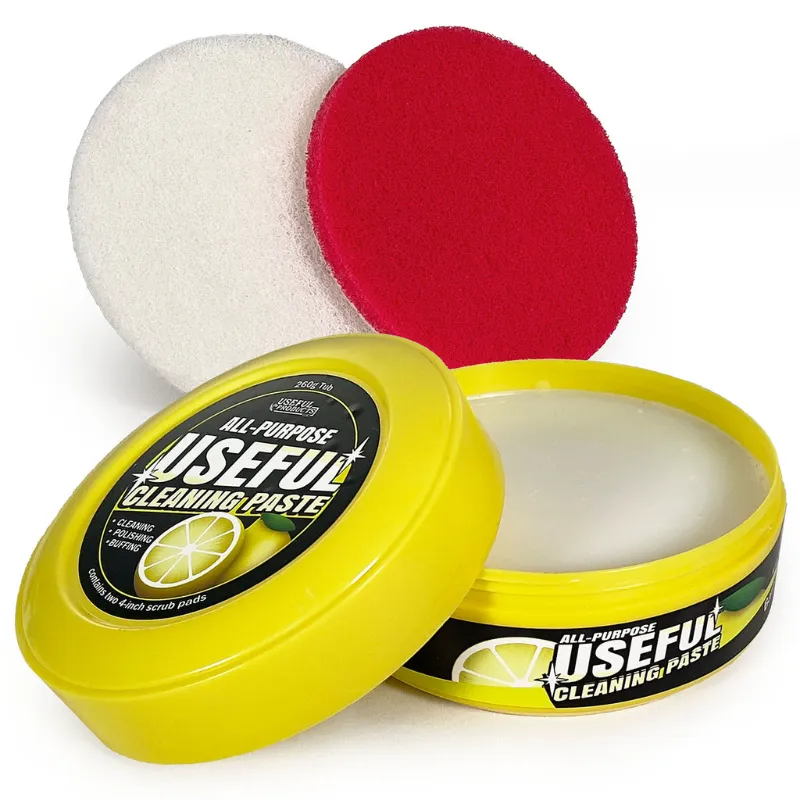
Does Drillbrush Cleaning Paste Work on Grout, Tile, and Stainless Steel?
A quality paste for cleaning outperforms most spray cleaners on tough surfaces because it dwells longer, carries mild abrasives, and pairs naturally with a powered drill brush scrubber to multiply your scrubbing force. We've tested it across grout lines, glazed tile, and stainless steel appliances, and the short answer is yes — with a few surface-specific techniques that make a real difference.
---
What Makes a Multi Purpose Cleaning Paste Different from Spray
Sprays sheet off vertical surfaces quickly and lose contact time before they can lift stains. A multi purpose cleaning paste stays put on the surface, which matters most on:
- Grout lines where you need prolonged dwell time to break down mildew
- Textured tile where liquid runs into the low spots before agitation begins
- Stainless steel where you want a controlled, directional buff rather than a runny solution
The paste formula also contains mild abrasive particles that work with the mechanical action of a drill brush to lift staining without scratching, provided you match the brush stiffness to the surface.
---
How to Use Paste for Cleaning on Grout and Tile
Getting the technique right takes two minutes to learn and saves a lot of re-scrubbing.
- Dampen the surface lightly. Paste needs a little moisture to activate but should not be flooded.
- Apply a thin bead of paste directly to grout lines or spread across tile in a small section at a time.
- Attach a drill brush scrub to your drill using a drill adapter. For grout lines, a narrow stiff brush fits the channel best. For wider glazed tile, a broader head covers more area per pass.
- Run the drill at medium speed (roughly 200-400 RPM) and work in short overlapping strokes along the grout line.
- Wipe and rinse with a damp cloth, then inspect. Repeat on any remaining staining.
For heavy grout buildup, a stiffer black brush cuts through faster. For polished or glazed tiles where scratching is a concern, swap to a soft bristle brush and let the paste do more of the chemical work.
---
Matching the Right Brush to Each Surface
Not every surface wants the same bristle. Using the wrong stiffness is the most common reason results disappoint.
| Surface | Recommended Brush | Notes |
|---|---|---|
| Unglazed grout | Stiff drill brush attachments | Aggressive agitation is safe here |
| Glazed ceramic tile | Soft bristle brush | Prevents micro-scratching on gloss finish |
| Natural stone tile | Soft bristle brush | Always test a hidden spot first |
| Stainless steel | Polishing pad for drill | Paste + pad follows the grain |
| Textured porcelain | Stiff drill brush | Bristles reach into texture peaks |
The general rule: the glossier or softer the surface, the softer the brush or pad you want.
---
Using Cleaning Paste on Stainless Steel
Stainless steel is where most people make the biggest mistakes. Steel has a visible grain, and scrubbing across it leaves circular marks that are hard to remove.
- Always buff with the grain, not against it or in circles
- Use polishing pads for drill rather than a bristle brush on stainless steel. Pads distribute pressure evenly and produce a smoother finish
- Apply a small amount of paste to the pad, not directly to a large appliance surface, so you control coverage
- A polish pad drill attachment at low speed (under 200 RPM) gives you more control on vertical surfaces like refrigerator doors
The result is a streak-free, lightly polished finish that paste alone or cloth-buffing rarely achieves consistently.
---
Drill Speed and Safety Tips
Power tools speed up cleaning dramatically, but a few basic habits keep surfaces and tools in good shape.
- Start slow. Test a small hidden area first, especially on stone or vintage tile.
- Keep the drill moving. Dwelling in one spot with a spinning brush concentrates heat and pressure.
- Use variable speed. Most drill brush attachments work best between 200-600 RPM for cleaning tasks.
- Rinse the brush or pad after each session to stop paste from drying and hardening in the bristles.
- Store pads flat to avoid warping that causes uneven pressure on the next use.
---
Who Gets the Most Out of This Combination
The paste-plus-drill-brush setup suits some users more than others.
Worth it if you:
- Have grout-heavy bathrooms or kitchens with years of buildup
- Clean stainless steel appliances regularly and want a polished finish
- Do property management, rental turnovers, or post-construction cleanup
- Already own a cordless drill (the drill adapter fits most standard chucks)
May be overkill if you:
- Have a small, lightly used bathroom with soft tile
- Prefer spray-and-wipe routines and clean very frequently
For most households, a multi purpose cleaning paste paired with a set of drill brush attachments covers grout, tile, stainless, and more without needing multiple specialty products. If you want to try it for less, grab the code at our Drillbrush discount page for 10% off your order.
---
Where to Buy and Current Pricing
Drillbrush products are sold through the official store. Prices shift with promotions, so rather than quote a number that may be outdated, check the latest price and current discount code directly on the store page. The paste, brushes, pads, and adapter are available individually or as bundles depending on how many surfaces you plan to tackle.
Frequently asked questions
Can I use paste for cleaning on natural stone like marble or travertine?
Yes, but with caution. Use a soft bristle brush and test a small hidden area first, since some pastes contain abrasives that can dull polished stone over time. Low drill speed and minimal pressure are key on natural stone.
What drill speed should I use with a drill brush scrubber and cleaning paste?
For most surfaces, 200-400 RPM is the sweet spot. Higher speeds can splash paste and generate more heat than necessary. Start at the lower end and increase only if you need more agitation on stubborn buildup.
Do polishing pads for drill work with any brand of cleaning paste?
Generally yes. Polishing pads are not formulation-specific, so they work with most cream or paste cleaners. Just apply a small amount to the pad rather than saturating it, and rinse the pad thoroughly after use to extend its life.
Will a drill brush scratch glazed tile?
A stiff brush can leave fine marks on high-gloss glazed tile. Swap to a soft bristle brush or a polishing pad for those surfaces, and keep drill speed moderate to reduce abrasion risk.
Do I need a special drill adapter for Drillbrush attachments?
Most Drillbrush attachments use a standard hex shank that fits common cordless and corded drills. A dedicated drill adapter ensures a secure, wobble-free fit and is worth adding if you are swapping attachments frequently.
How do I clean and store my drill brush attachments after using cleaning paste?
Rinse bristles under warm water immediately after use and work out any paste residue with your fingers or a comb. Shake off excess water, then store brushes upright or hanging so bristles dry without bending. Store polishing pads flat to keep their shape.