
How Long Do Drillbrush Drill Brush Scrubber Bristles Last Before Wearing Out?

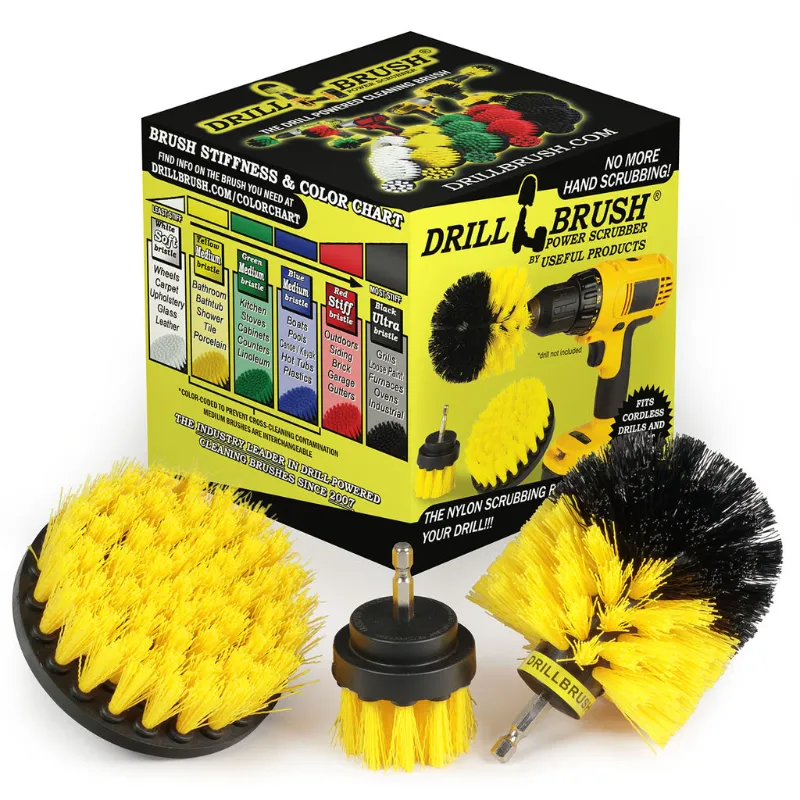
A drill brush scrubber typically lasts anywhere from several months to a few years, and the range is that wide for a good reason. How long bristles hold up depends almost entirely on three things: the stiffness you chose, what you're scrubbing, and how you treat the brush between uses.
What Shortens Drill Brush Scrubber Bristle Life
Bristles wear out faster when they're mismatched to the job. Using a stiff drill brush on delicate surfaces like coated stovetops or painted bathtubs creates unnecessary friction that curls and splits the tips quickly. Conversely, running a soft-bristle brush against heavy tile grout forces it to work harder than it was designed to, which flattens the bristles prematurely.
Other common culprits:
- Running the drill at too high an RPM for the brush size
- Pressing down with excessive force instead of letting the bristles do the work
- Leaving chemical cleaners soaked into the bristles after use
- Storing brushes compressed against other objects, which bends the bristle pattern out of shape
- Using a drill adapter that isn't fully seated, causing wobble that unevenly stresses one side of the brush
Bristle Stiffness vs. Expected Lifespan
The bristle grade you pick is the single biggest factor in longevity.
| Bristle Type | Best For | Relative Lifespan |
|---|---|---|
| Stiff (black brush) | Grout, concrete, boat hulls | Shorter on delicate surfaces, long on tough ones |
| Medium | All-purpose tile, tubs, wheels | Balanced wear across most jobs |
| Soft bristle brush | Car interiors, upholstery, sealed wood | Longest life when used correctly |
The soft bristle brush tends to last the longest in everyday household use simply because it's used on gentler surfaces with lighter pressure. The black brush is built for abuse on rough surfaces, so it earns its wear faster but on jobs that would destroy a soft brush instantly.
How the Cleaning Product You Use Affects Bristles
Harsh solvents and undiluted bleach are rougher on nylon bristles than most people expect. Over time they cause brittleness, especially on softer grades.
For regular deep cleaning, a multi purpose cleaning paste or a purpose-made paste for cleaning is a smarter pairing with your brushes. These are formulated to work with the mechanical action of the bristles rather than relying on chemical aggression alone, which means you use less product, rinse more easily, and put less chemical stress on the bristle tips.
A few rules that make a real difference:
- Rinse brushes thoroughly after every use, especially after acidic or alkaline cleaners
- Never soak a brush in cleaning solution between sessions
- If you use a spray cleaner, apply it to the surface, not directly onto the brush
Polishing Pads: A Different Wear Pattern
If you've added a polishing pad for drill or polishing pads for drill to your setup, the wear story is different. Foam pads compress and tear rather than fray. Signs they need replacing include visible foam crumbling, a change in buffing performance, or the pad losing its even contact with the surface.
A polish pad drill used for waxing or finishing compounds generally lasts longer than one used for correction work, because correction involves more heat and abrasive material. Rinse foam pads gently after each use, let them air dry flat, and never wring them out.
Getting the Most from Your Drill Brush Attachments
A full drill brush attachments set gives you the right tool for each surface, which is the most effective way to extend the life of every individual brush. When you stop using the stiff brush on jobs meant for a medium brush, both tools last longer and clean better.
Practical habits that add months to bristle life:
- Match the brush diameter to the job (smaller brushes for grout lines, larger for flat tile)
- Keep RPM below 1,000 for soft brushes; medium and stiff grades handle higher speeds better
- Hang brushes or store them bristle-up so the tips don't rest under any weight
- Rinse immediately after use and let them fully air dry before storing
- Rotate between brushes if you clean frequently so no single brush takes all the wear
If you're buying a replacement set or stocking up on spares, check the latest price and grab 10% off before you order.
When to Replace Your Drill Brush Scrub
Bristles don't fail all at once. Watch for these signs that it's time to swap in a fresh brush:
- Tips are visibly curled, melted-looking, or missing entirely
- The brush is cleaning noticeably less efficiently at the same pressure and speed
- Bristles have flattened so much the brush no longer makes full contact with the surface
- You notice the drill brush scrub leaving streaks or uneven results it didn't before
Most Drillbrush users find that with proper care and correct usage, a single brush lasts through a full season of regular cleaning before showing meaningful wear. Heavy-duty users cleaning tile, grout, and outdoor surfaces weekly may go through brushes faster, which is exactly why having a complete set matters more than trying to stretch one brush across every job.
When your brushes are due for a refresh, the Drillbrush discount code page is the easiest place to see the current offer before adding to cart.
Frequently asked questions
How can I tell if my drill brush scrubber bristles are worn out?
Look for curled or flattened tips, uneven contact with the surface, or a noticeable drop in cleaning performance at the same speed and pressure. If the brush is leaving streaks it didn't leave before, it's time to replace it.
Does running my drill at high RPM wear out the brush faster?
Yes. Higher speeds generate more friction and heat at the bristle tips, especially on soft and medium grades. Keeping RPM under 1,000 for soft brushes significantly extends their usable life.
Can I use any cleaning product with a drill brush?
Most household cleaners are fine, but undiluted bleach and harsh solvents will degrade nylon bristles over time. A purpose-made cleaning paste is a gentler pairing that's easier to rinse out completely after use.
Do polishing pads for drill wear out the same way as bristle brushes?
No. Foam polishing pads compress and eventually tear or crumble rather than fraying like bristles. Pads used for heavy correction work wear faster than those used for light waxing or finishing.
Is it worth buying a full drill brush attachments set instead of individual brushes?
A full set lets you match the right bristle stiffness to each surface, which means you're not overworking any single brush. That extends the life of every brush in the set and improves cleaning results across the board.
How should I store my drill brushes to keep the bristles in good shape?
Store them bristle-up or hung so no weight rests on the tips. Make sure they're fully dry before storing, and keep them away from other objects that could compress or bend the bristle pattern.