
Drillbrush Soft Bristle vs. Black Brush: Which One Should You Use on Delicate Surfaces?

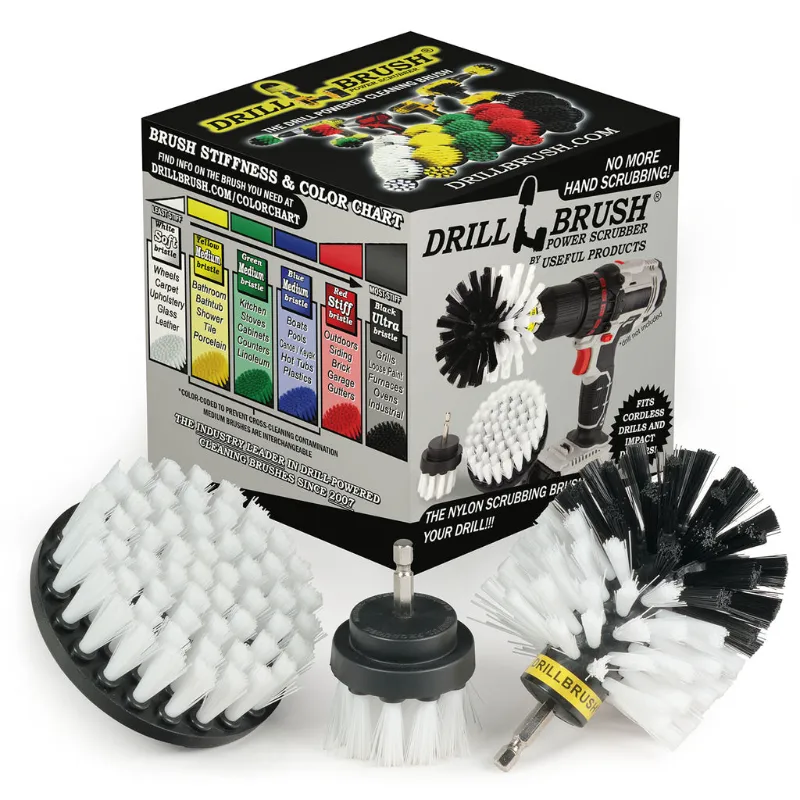
A soft bristle brush is the right call whenever you need aggressive cleaning action on surfaces that scratch easily. The black brush sits at the opposite end of the stiffness spectrum and is built for surfaces that can take real punishment. Knowing which to grab saves you from a costly mistake.
What Makes a Soft Bristle Brush Different
Drillbrush's soft bristle brush uses finer, more flexible filaments that bend on contact rather than dig in. That flex is what makes it safe on materials where a stiffer brush would leave marks.
- Bristle flex: filaments give way under pressure instead of abrading the surface
- Spread pattern: flexible bristles fan out, covering more area per pass
- Speed compatibility: works well at higher drill RPMs without heat buildup on sensitive materials
- Paired cleaner: runs best alongside a multi purpose cleaning paste or a dedicated paste for cleaning that lifts grime without relying on friction alone
The black brush uses much stiffer bristles. It generates more friction on purpose, which is exactly what concrete, brick, or heavily soiled tile needs.
Soft Bristle Brush vs. Black Brush: Side-by-Side
| Feature | Soft Bristle Brush | Black Brush |
|---|---|---|
| Bristle stiffness | Soft / flexible | Stiff / firm |
| Best surfaces | Car interior, leather, fabric, painted trim | Concrete, grout, brick, engine bays |
| Risk of scratching | Low | High on sensitive materials |
| Cleaning style | Gentle agitation + cleaner | Heavy mechanical scrubbing |
| Typical drill speed | Low to medium | Medium to high |
If you are unsure, default to the soft bristle brush. It is far easier to step up to a stiffer brush than to fix a scratched dashboard.
Which Surfaces Each Brush Is Built For
Reach for the soft bristle brush on:
- Car seats, door panels, and headliners
- Leather upholstery and steering wheels
- Painted or clear-coated trim
- Boat cushions and marine vinyl
- Delicate bathroom tile and glass shower doors
- Fabric sofas and area rugs
Reach for the black brush on:
- Concrete garage floors and driveways
- Unglazed quarry tile and brick
- Heavily soiled engine components
- Outdoor furniture with caked-on grime
- Wheel wells and tire sidewalls
When the job calls for something in between, the full drill brush attachments set gives you multiple stiffness levels so you can match the brush to every surface in one purchase.
How to Set Up Your Drill for Delicate Surface Cleaning
Getting the setup right matters as much as picking the right brush head.
- Attach the drill adapter first. The drill adapter fits most standard chuck sizes and is what connects any Drillbrush head to your drill.
- Set your drill to a low speed setting (around 200 to 400 RPM) for the soft bristle brush on truly sensitive materials.
- Apply your cleaner before you run the brush. A small amount of paste for cleaning worked into the surface first means the brush is spreading and lifting, not grinding dry grime into the material.
- Use light downward pressure. Let the bristles do the work. Pressing hard defeats the purpose of a flexible bristle.
- Work in overlapping passes rather than staying in one spot, which prevents heat buildup.
For cleanup finishing work on painted panels or plastic trim, swap the brush for a polishing pad for drill or one of the polishing pads for drill to buff out any haze after cleaning.
Pairing the Right Cleaner With Your Brush
The brush handles agitation; the cleaner handles chemistry. Getting both right is what separates a good result from a great one.
- Multi purpose cleaning paste: a thicker formula that clings to vertical surfaces and dissolves grease. Works across most interior and exterior applications.
- Paste for cleaning: slightly finer grit, ideal when the soft bristle brush is tackling light soiling on upholstery or painted plastic.
- Avoid: bleach-based sprays on leather or fabric. Stick to pH-neutral cleaners when the soft bristle brush is in play on those materials.
After cleaning, a polish pad drill attachment polishes painted or clear-coated surfaces to restore gloss without adding another step by hand.
Caring for Your Drill Brush Attachments
A brush that is cleaned after each use lasts significantly longer and performs better on the next job.
- Rinse bristles under warm running water immediately after use
- Work a small amount of dish soap through the filaments by hand, then rinse again
- Shake out excess water and store bristle-side up or hanging, never resting on the bristles
- Inspect filaments before each use; splayed or bent bristles are a sign the brush has been run at too high an RPM or with too much pressure on hard surfaces
- The drill brush scrubber and drill brush scrub heads follow the same care routine
Avoid leaving any brush soaking submerged for extended periods, as prolonged water exposure can degrade the hub where the bristles are set.
Who Should Use a Soft Bristle Brush
The soft bristle brush suits anyone who cleans surfaces where appearance matters and scratches are not acceptable.
- Car detailers and enthusiasts cleaning interiors, door jambs, and soft-top convertibles
- Boat owners maintaining marine vinyl and fiberglass gel coat
- Homeowners tackling upholstered furniture, fabric window treatments, or delicate bathroom tile
- Pet owners who need to deep-clean fabric surfaces regularly without wearing them out
If your cleaning work spans both delicate and tough surfaces, the drill brush lineup covers every stiffness level. Picking up the complete drill brush attachments set is the most efficient way to have the right head on hand for any job.
You can check the latest price and grab the current 10% off code before you order, which applies across the full range of brushes and accessories.
Frequently asked questions
Is a soft bristle brush safe on car leather seats?
Yes. The flexible filaments agitate and lift grime without scratching or cracking the leather surface. Pair it with a pH-neutral or leather-safe cleaner and keep drill speed low for best results.
What is the difference between the Drillbrush soft bristle and black brush bristle stiffness?
The soft bristle brush uses fine, flexible filaments designed for delicate surfaces, while the black brush has stiff bristles built for heavy-duty scrubbing on concrete, brick, and tough grime. Using the wrong one on a sensitive surface can cause scratches.
Can I use the drill brush attachments with any drill brand?
Most Drillbrush heads connect via the drill adapter, which fits standard chuck sizes found on the majority of corded and cordless drills. Check the adapter specs on the product page to confirm compatibility with your specific model.
Do I need a special cleaning paste to go with my drill brush?
You do not need a special paste, but a multi purpose cleaning paste or dedicated paste for cleaning improves results by breaking down grease and grime chemically so the brush spreads and lifts rather than just scrubbing dry.
When should I use a polishing pad for drill instead of a brush?
Switch to a polishing pad for drill after cleaning painted, clear-coated, or plastic surfaces when you want to restore gloss or buff out light haze. Brushes clean; polishing pads finish.
Where can I find a discount code for Drillbrush products?
The current offer is 10% off all orders. You can find the active code and check live pricing on the Drillbrush discount code page before placing your order.