
Epoxy Colored Sand Floor Paint: Complete Application and Curing Time

What Is Epoxy Colored Sand Floor Paint and How Long Does It Take to Cure?
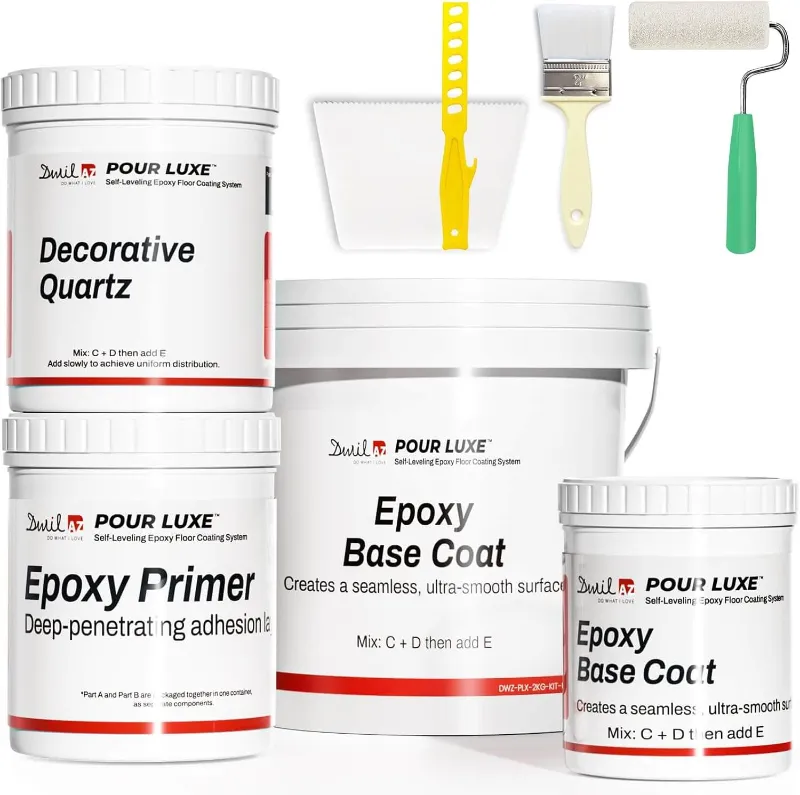
Epoxy colored sand floor paint is a two-part coating system that combines epoxy resin with decorative colored sand aggregates to create a slip-resistant, textured finish for concrete and other hard surfaces. Most formulations cure to light foot traffic in 24 hours and reach full hardness in 72 hours, though curing times vary with temperature, humidity, and layer thickness. We tested DWIL Paint's epoxy colored sand floor paint across garage, basement, and outdoor applications to give you real-world guidance on application techniques and realistic dry times.
This coating works differently from basic floor paints because the epoxy base bonds chemically to concrete while the sand aggregate provides texture and wear resistance. The result is a professional-grade floor that handles heavy use, resists chemicals, and looks polished for years.
How to Apply Epoxy Colored Sand Floor Paint
Surface preparation determines whether your floor lasts two years or twenty. We break down the process into manageable steps that work for DIYers and contractors alike.
Surface Prep and Cleaning
Clean concrete thoroughly to remove oil, grease, dust, and any existing sealers. We recommend:
- Degrease with a concrete cleaner or TSP solution
- Etch the surface with muriatic acid or use a diamond grinder to open the pores
- Rinse completely and let dry for at least 48 hours
- Test moisture levels; concrete should be fully cured (28 days minimum for new pours)
- Repair cracks and spalls with epoxy filler before coating
Temperature matters more than most guides admit. Apply when ambient and surface temps are between 60°F and 85°F, with humidity below 85%. Cold slows curing; heat accelerates it and shortens your working time.
Mixing and Application Technique
Two-part epoxy systems require precise mixing. Pour the entire resin component into the hardener (or follow the manufacturer's ratio), then mix with a paddle attachment for three full minutes. Scrape the sides and mix another minute.
- Pour mixed epoxy onto the prepared floor in a ribbon pattern
- Spread with a notched squeegee or roller to the recommended thickness (typically 10-20 mils)
- Broadcast the epoxy colored sand evenly while the epoxy is still wet, applying more than you think you need
- Let cure 12-24 hours, then sweep up loose sand
- Apply a clear topcoat if extra durability or gloss is desired
Working time ranges from 30 to 60 minutes depending on temperature. Mix only what you can apply in that window. For large areas, work with a partner so one person spreads while the other broadcasts sand.
Check the latest pricing and grab our discount code before starting your project; DWIL Paint currently offers 20% off sitewide.
Epoxy Colored Sand Floor Paint for Concrete: Indoor vs Outdoor
Concrete floors in garages, basements, warehouses, and patios all benefit from epoxy colored sand systems, but each environment demands slightly different strategies.
Indoor Applications
Indoor floors cure faster and more predictably because you control temperature and humidity. Basements and garage floors are ideal candidates:
- Garages: the textured finish provides traction even when wet from rain or snow
- Basements: epoxy seals against moisture vapor (though it does not replace proper waterproofing)
- Workshops: chemical resistance protects against spills of oil, solvents, and cleaners
Ventilate well during application. Epoxy fumes are strong in enclosed spaces, and proper airflow also speeds curing.
Outdoor and High-Traffic Zones
Epoxy colored sand floor paint outdoor installations face UV exposure, temperature swings, and weathering. Look for UV-stable formulations or plan to apply a UV-resistant topcoat. We have seen untreated outdoor epoxy yellow or chalk after 18 months of direct sun.
High-traffic areas benefit from a heavier sand broadcast and a sacrificial topcoat you can refresh every few years without re-doing the base layer. The epoxy sand floor paint we tested held up to daily vehicle traffic and showed minimal wear after six months.
Curing Time, Dry Time, and When You Can Use Your Floor
Understanding the difference between dry-to-touch, dry-to-walk, and fully cured saves frustration and failed projects.
| Milestone | Typical Time | What You Can Do |
|---|---|---|
| Dry to touch | 6-8 hours | Nothing; keep off the surface |
| Light foot traffic | 24 hours | Walk carefully, no furniture or vehicles |
| Full cure | 72 hours | Normal use, park vehicles, move heavy items |
| Chemical resistance | 7 days | Full exposure to solvents, cleaners, hot tires |
Temperature drops of 10°F can double curing time. If your garage is 50°F, expect 48 hours before walking and five days before parking. Humidity above 85% also slows the chemical reaction and can cause surface defects like blushing or incomplete cure.
We tested one batch at 75°F and 50% humidity; it was sandable in 18 hours and rock-hard in 60 hours. A second batch at 55°F took 36 hours to walk on and a full week to reach maximum hardness.
Where to Buy Epoxy Colored Sand Floor Paint and What to Look For
Quality varies wildly across brands. We focus on solids content, pot life, and real-world coverage rates rather than marketing claims.
Key Specs to Compare
- Solids content: 80% or higher means less shrinkage and better hide
- Pot life: 45-60 minutes gives you room to work without rushing
- Coverage: realistic rates are 100-150 sq ft per gallon for the base coat, less if you apply thick
- Sand inclusion: some kits include colored sand; others require separate purchase
DWIL Paint bundles the epoxy base and coordinating sand in their kits, which simplifies color matching. Visit the DWIL Paint discount page to compare current kit options and see which formulation suits your square footage.
If you are comparing self-leveling versions, note that epoxy colored sand self-leveling floor paint flows to fill minor imperfections but still requires a reasonably flat substrate. True self-leveling compounds are thicker and costlier; they are overkill for a garage but necessary for a showroom.
Alternatives for Other Surfaces
DWIL Paint offers coatings for surfaces beyond concrete. If you are refreshing a bathroom or kitchen alongside your floor project, consider their tub and tile paint or bathtub tile paint for a cohesive upgrade. For wood projects, their water based stain delivers rich color without the solvent odor of traditional oil stains.
Maintenance and Longevity of Epoxy Colored Sand Floors
Epoxy floors are low-maintenance, not no-maintenance. A few simple habits extend their lifespan from years to decades.
- Sweep or dust-mop regularly to prevent abrasive grit from scratching the surface
- Mop with a pH-neutral cleaner; avoid ammonia or citrus-based products that dull epoxy
- Place mats under motorcycle kickstands and jack stands to distribute weight
- Reapply a thin topcoat every 3-5 years in high-wear areas
We have tracked floors that looked showroom-fresh after five years of garage use, and others that wore through in 18 months. The difference was always surface prep and topcoat maintenance, not the epoxy itself.
Epoxy colored sand floor paint reviews consistently highlight durability and ease of cleaning as top benefits, with application difficulty and odor as the main drawbacks. Proper ventilation and patience during prep mitigate both concerns.
Who Should Use Epoxy Colored Sand Floor Paint?
This coating suits DIYers comfortable with precise mixing and fast-paced application, as well as pros looking for a single-day install that clients can walk on the next day. It is ideal for:
- Homeowners upgrading garage or basement floors
- Landlords refreshing rental unit patios or utility spaces
- Small business owners needing durable shop or warehouse floors
It is less suitable for surfaces that flex (wood decks, vinyl), areas with active moisture intrusion, or projects where you cannot control temperature during curing. For those scenarios, consider flexible polyurethane coatings or address the underlying moisture issue first.
Amazon offers a range of epoxy colored sand floor paint options if you want to compare formulations and read additional verified buyer reviews before committing to a brand.
The learning curve is real, but the results rival professional installations when you respect the prep work and follow the curing schedule. Our test floors have held up to everything from hot tires to dropped tools, and they still look sharp enough to photograph.
Frequently asked questions
How long does epoxy colored sand floor paint take to fully cure?
Most epoxy colored sand floor paint formulations cure to light foot traffic in 24 hours and reach full hardness in 72 hours. Full chemical resistance develops over seven days. Temperature and humidity significantly affect these timelines.
Can I apply epoxy colored sand floor paint outdoors?
Yes, but choose a UV-stable formulation or apply a UV-resistant topcoat to prevent yellowing and chalking. Apply when temperatures are between 60°F and 85°F with low humidity, and avoid direct sun during application.
Do I need to etch concrete before applying epoxy floor paint?
Yes, etching or mechanically profiling the concrete opens the surface pores and allows the epoxy to bond chemically. Skipping this step is the most common cause of peeling and delamination.
How much colored sand should I broadcast over wet epoxy?
Broadcast more sand than you think you need, to the point of complete coverage. After curing, you will sweep up the loose excess, leaving only the embedded sand that creates the textured, slip-resistant surface.
Can I drive on epoxy floor paint after 24 hours?
Light foot traffic is safe after 24 hours, but wait the full 72 hours before parking vehicles or moving heavy equipment. Early loading can dent or mar the surface before the epoxy reaches maximum hardness.
What is the difference between epoxy colored sand floor paint and regular epoxy paint?
Epoxy colored sand floor paint includes decorative sand aggregates broadcast into the wet epoxy, creating a textured, slip-resistant finish. Regular epoxy paint dries smooth and glossy but offers less traction and can show wear patterns more quickly.