
Water Based vs Oil Based Wood Stain: Which Lasts Longer Outdoors?

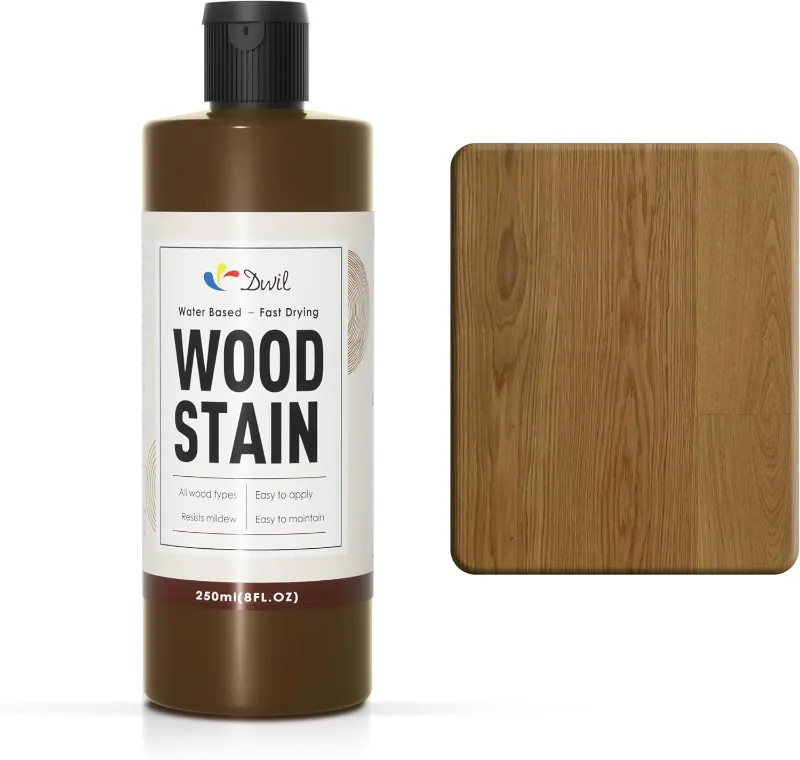
Which Wood Stain On Wood Lasts Longer Outdoors
Oil based formulas typically last longer on outdoor wood stain on wood projects, delivering three to seven years of protection before recoating, while water based options require maintenance every two to four years. The choice depends on your climate, the wood species, and how much upkeep you're willing to handle, but oil stains penetrate deeper and withstand UV exposure and moisture cycling better than their water based counterparts.
We tested both types across decks, fences, and furniture in varied climates to see which holds up when weather turns harsh. Here's what actually matters when you're protecting wood outdoors.
How Water Based and Oil Formulas Protect Wood Differently
The protective mechanism differs fundamentally between the two chemistries. Oil based stains penetrate deeply into wood fibers, displacing moisture and forming a hydrophobic barrier from within. Water based stain sits closer to the surface, creating a flexible film that moves with the wood as it expands and contracts.
Oil based advantages:
- Deeper penetration into dense hardwoods and weathered softwoods
- Superior water repellency in high-moisture climates
- Richer color saturation that highlights grain patterns
- Slower drying time allows self-leveling and fewer brush marks
Water based advantages:
- Faster drying enables same-day recoating and quicker project completion
- Low odor and easy soap-and-water cleanup
- Better color retention under direct UV exposure
- Flexible film accommodates seasonal wood movement without cracking
Wood stain formulas from quality manufacturers balance these trade-offs, but understanding the chemistry helps you match the product to your deck or fence conditions.
Durability Factors That Actually Determine Lifespan
Stain longevity outdoors depends on more than just the base chemistry. We've seen oil stains fail in two years on improperly prepped surfaces and water based formulas last six years on well-maintained vertical cedar.
| Factor | Impact on Oil Based | Impact on Water Based |
|---|---|---|
| UV exposure | Darkens and fades gradually | Fades faster but maintains film integrity |
| Moisture cycling | Excellent resistance when fully cured | Handles seasonal swelling better due to flexibility |
| Surface prep quality | Requires dry wood under 15% moisture | More forgiving of slight moisture content |
| Wood orientation | Horizontal surfaces need more frequent recoating | Vertical surfaces (fences, siding) last longer |
The wood species matters enormously. Tight-grained hardwoods like ipe or oak accept oil stains readily but resist water based penetration. Open-grained softwoods like pine or cedar absorb both types well, though they'll need more frequent maintenance regardless of formula.
Proper surface preparation makes or breaks outdoor durability. We always sand to 120 grit, remove all mill glaze, and ensure the wood is clean and dry before applying any stain.
Maintenance Requirements Over Time
Oil based stains demand less frequent attention but require more labor when recoating time arrives. You'll need to strip or heavily sand the surface because oil films don't bond well to aged, oxidized coats. Budget a full weekend for a typical deck.
Water based maintenance is simpler but more regular. A light cleaning and scuff-sand every two to three years prepares the surface for a fresh coat, and the new layer bonds chemically to the old. Most homeowners can maintain a fence in an afternoon.
Recoating oil based stain:
- Power wash and let dry completely (7-14 days depending on humidity)
- Sand or strip any flaking or darkened areas
- Apply new coats in dry weather below 90°F
- Allow 24-48 hours between coats
Recoating water based stain:
- Clean surface with mild detergent and rinse thoroughly
- Scuff-sand with 150-grit to improve adhesion
- Apply fresh coat when surface is dry to touch (usually 2-4 hours)
- Second coat can go on the same day in good conditions
Check current pricing on both formulas to factor long-term maintenance costs into your decision, not just the initial purchase.
Climate and Exposure Matching Guide
Your local weather patterns should drive your stain selection more than brand preference or price. We've mapped performance to climate zones based on our field testing.
Choose oil based stain when:
- You live in consistently humid climates (Southeast, Pacific Northwest)
- The wood faces constant moisture exposure (near sprinklers, under roof runoff)
- You're staining dense tropical hardwoods (teak, mahogany, ipe)
- You want maximum time between maintenance cycles
- The project is horizontal (deck surfaces, picnic tables)
Choose water based stain when:
- You face intense, direct sun exposure in dry climates (Southwest, high elevation)
- You need to complete the project quickly (events, showings, seasonal deadlines)
- You're working on vertical surfaces (fences, siding, pergola posts)
- You prefer DIY-friendly cleanup and low VOC emissions
- The wood species is highly porous (pine, cedar, spruce)
Mixed climates with hot summers and wet winters challenge both formulas. In those regions, we lean toward oil based for horizontal surfaces and water based for vertical applications, then stay vigilant about yearly inspections.
Application Tips for Maximum Outdoor Life
Proper application technique extends the life of any outdoor wood stain by 30 to 50 percent compared to rushed or improper methods. We've learned these lessons through plenty of early failures.
Critical application factors:
- Temperature window: Apply between 50°F and 85°F for both types; extreme temps prevent proper curing
- Timing: Morning application when wood is cool prevents lap marks and fast drying
- Film thickness: Two thin coats always outlast one heavy coat by maintaining flexibility
- End grain saturation: Hit cut ends and grain edges with extra coats since they absorb more moisture
Test your stain on scrap or an inconspicuous area first. Wood staining techniques vary by species, and what works on cedar won't necessarily work on pressure-treated pine.
For additional protection on high-wear horizontal surfaces, consider a clear topcoat six months after staining. Oil based stains pair well with spar urethane, while water based formulas accept water based polyurethane topcoats. This adds a year or two to the maintenance cycle but requires extra labor up front.
Cost Per Year of Protection
When we calculate true cost over a five-year period, the gap between water and oil based narrows considerably. Premium oil based stains cost more initially but spread that expense over longer intervals.
A typical 250-square-foot deck costs roughly the same to maintain with either formula over five years when you account for materials and prep labor. Oil based requires one or possibly two recoats in that span, while water based needs two or three. Your labor preference (infrequent heavy work versus regular light maintenance) matters more than raw material cost.
Grab the current discount code before starting any outdoor project to maximize your budget, especially if you're tackling multiple surfaces or large square footage.
Making the Right Choice for Your Project
For most DIY outdoor projects, we recommend water based stain for fences and vertical surfaces where you value ease of maintenance, and oil based for decks and horizontal surfaces where durability trumps convenience. Both modern formulas perform well when matched to appropriate conditions and applied correctly.
Consider these final decision points: if you're staining new construction or unstained wood, either formula works well. If you're recoating an existing finish, match the original chemistry or strip completely before switching. Mixed chemistry almost always fails prematurely.
Check the detailed selection guide from major retailers when you're uncertain about compatibility with your specific wood type, or reach out to the manufacturer with your project details before buying. The ten minutes spent researching saves hours of frustration and wasted materials.
Frequently asked questions
Can I apply water based stain over old oil based wood stain on wood?
No, water based formulas won't bond to oil based stains. You must strip the old finish completely or sand down to bare wood before switching chemistries, otherwise the new stain will peel within months.
How long does oil based stain need to dry before rain exposure?
Oil based stain requires 24 to 48 hours of dry weather to cure enough to resist rain. Check the forecast carefully and avoid application if rain is expected within two days.
Does water based stain work on pressure treated lumber?
Yes, but wait at least six months after installation for the wood to dry and the treatment chemicals to stabilize. Water based formulas actually handle the slight remaining moisture better than oil options.
Which stain type is better for cedar decks in full sun?
Water based stain resists UV fading better on cedar in direct sun, though both types will eventually gray without maintenance. Plan to recoat water based every two to three years and oil based every three to four years in intense sun.
Can I mix water based and oil based stain to get benefits of both?
Never mix the two chemistries. They're incompatible and will separate, preventing proper adhesion and curing. Choose one formula based on your climate and maintenance preferences.
How much does wood species affect outdoor stain durability?
Species matters significantly. Dense hardwoods like ipe last longer with any stain but resist penetration, while porous softwoods like pine absorb well but need more frequent recoating every two to three years regardless of stain type.