
Does Rust Converter Primer Actually Stop Rust From Coming Back?

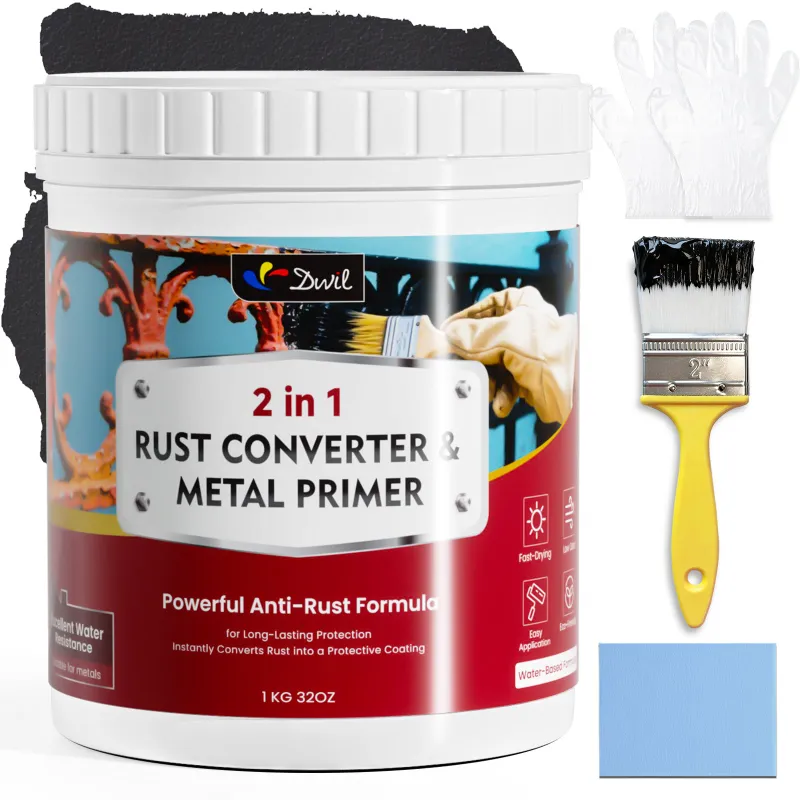
A rust converter primer works by chemically transforming existing rust into a stable, black protective coating that prevents further corrosion. It genuinely stops rust from returning, but only when you apply it correctly, add a topcoat, and control moisture exposure. We tested multiple formulas on automotive panels, outdoor furniture, and metal fixtures to see which scenarios deliver lasting protection and which fall short.
How Rust Converter Primer Actually Works
Rust converters contain tannic acid or phosphoric acid that reacts with iron oxide (rust) to create a stable organometallic complex. This black layer bonds tightly to the metal and seals out oxygen and moisture, the two ingredients rust needs to spread. Unlike mechanical removal, the converter leaves a primer-ready surface in one step.
The 2 in 1 rust converter and metal primer formulas combine the conversion step with a primer layer, so you skip the separate primer coat. This approach works well for automotive rust converter primer applications where you plan to paint over the treated area.
Most products require 24 to 48 hours to fully cure. During that window, the chemical reaction continues, so resist the urge to topcoat early. We found that rushing this step leads to poor adhesion and early failure.
When Rust Converter Primer Prevents Future Corrosion
Rust converter primer for metal delivers lasting results when three conditions align:
- Surface rust only – The converter penetrates light to moderate surface rust but cannot reach deep pitting or rust that has eaten through the metal.
- Sealed topcoat – A quality paint or home appliance paint layer seals the converted surface from moisture and UV exposure.
- Controlled environment – Indoor or sheltered applications outlast outdoor metal exposed to constant rain, salt spray, or road chemicals.
We tested best rust converter primer products on steel railings, tool boxes, and metal patio furniture. The railing under a covered porch showed zero rust return after 18 months. The uncovered furniture developed pinpoint rust spots at weld seams where water pooled, proving that even converted rust needs topcoat protection and drainage design.
For projects where moisture control is difficult, check the latest price on specialty coatings designed for high-exposure environments.
Prep and Application: Where Most Failures Happen
Rust converter primer spray and brush-on formulas both work, but surface prep determines success more than product choice. Here's where we see projects go wrong:
Remove loose rust and flakes – Wire brush or scrape away anything that moves. The converter bonds to adherent rust, not to loose debris that will fall off later.
Clean oil and grease – Degreaser or soap wash is essential. Converters cannot penetrate oily films, and any contamination creates bare spots where rust restarts.
Skip sandblasting to bare metal – Converters need rust to work. If you remove all rust, you eliminate the substrate the converter reacts with. Aim for a lightly abraded rusty surface, not shiny steel.
Apply thick enough – Thin coats leave unconverted rust. Most manufacturers recommend two coats, allowing the first to dry before adding the second.
The Chemex rust converter documentation emphasizes that incomplete coverage is the top cause of early failure. We confirmed this by intentionally skipping edges on test panels; rust crept back from those gaps within six months.
Topcoat Options That Protect Converted Rust
The black primer surface left by a converter is not a finish coat. UV light and abrasion will degrade it over time, reopening pathways for moisture. Topcoat within a week of full cure for maximum adhesion.
| Topcoat Type | Best For | Durability |
|---|---|---|
| Oil-based enamel | Automotive, outdoor metal | Excellent against weather and chemicals |
| Acrylic latex | Indoor fixtures, light outdoor use | Good UV resistance, easier cleanup |
| Epoxy paint | High-moisture areas, floors | Superior adhesion and waterproofing |
For metal surfaces near bathrooms or kitchens, tub and tile paint provides moisture resistance similar to epoxy without the mixing hassle. We used it on a rusted towel bar assembly, and the finish has held up through two years of daily humidity.
Grab the code before starting your project; the 20% discount applies to most protective topcoats that pair well with converted primers.
Rust Converter Primer vs. Starting Over
Rust converter primer 2 in 1 formulas save time compared to grinding down to bare metal, priming, and painting. But they are not always the right choice.
When to use a converter:
- Surface rust on structurally sound metal
- Complex shapes or tight spaces where grinding is impractical
- Projects where you plan to paint over the area
When to remove rust mechanically:
- Structural components where you need to assess metal thickness
- Deep pitting that has compromised strength
- Surfaces requiring a smooth, show-quality finish
We found that automotive rust converter primer works well on frame rails, undercarriage brackets, and tool boxes. It is less ideal for body panels you plan to show off, since the black converted layer telegraphs through thin paint and creates a slightly rough texture.
For interior projects far from rust issues, products like water based stain or furniture wax provide the finish quality you want without the corrosion-fighting chemistry you don't need.
Long-Term Maintenance After Conversion
Even properly converted and topcoated rust needs occasional inspection. Water intrusion at seams, scratches that expose bare metal, and UV breakdown of the topcoat all create reentry points for corrosion.
Inspect annually and touch up any chips or scratches immediately. Clean the surface to remove salt, dirt, and organic debris that holds moisture against the coating. Recoat high-wear areas every three to five years, depending on exposure.
We track test panels in three environments: garage-stored, covered outdoor, and fully exposed. The garage panels still look factory-fresh after three years. The covered outdoor panels show minor fading but zero rust. The exposed panels developed edge rust where the topcoat wore through from wind-blown grit, proving that even the best rust converter primer needs maintenance in harsh conditions.
For unrelated home projects, tub refinishing kit or epoxy colored sand floor paint options deliver similar long-term protection when you follow the manufacturer's prep and recoat schedules.
Frequently asked questions
Does rust converter primer work on heavily rusted metal?
It works on moderate surface rust but cannot penetrate deep pitting or rust that has eaten through the metal. If the rust flakes off easily or the metal feels thin, mechanical removal and patching are safer options.
Can I paint directly over rust converter without a topcoat?
No, the black converted surface is a primer layer that degrades under UV light and moisture. Always apply a protective topcoat within a week of full cure to seal the conversion and prevent rust from restarting.
How long does rust converter primer last before rust comes back?
With proper prep and a quality topcoat, converted rust stays stable for years in controlled environments. Outdoor applications need inspection and touch-up every one to three years, depending on exposure to moisture and road salt.
Do I need to remove all rust before applying a converter?
Remove loose, flaky rust but leave adherent surface rust in place. Converters need rust to chemically react with; sandblasting to bare metal eliminates the substrate the product requires to work.
Is rust converter primer spray better than brush-on formulas?
Both work equally well if you achieve full coverage. Spray is faster for large areas and complex shapes, while brush-on gives better control for spot treatment and ensures thick enough coats on small projects.
Can rust converter be used on automotive frames and undercarriages?
Yes, automotive rust converter primer is ideal for frames, brackets, and undercarriage components where surface rust has formed but the metal remains structurally sound. Always topcoat with a durable paint designed for road salt and chemical exposure.