
Do TideWe Heated Vests Work in Extreme Cold? Real-World Testing

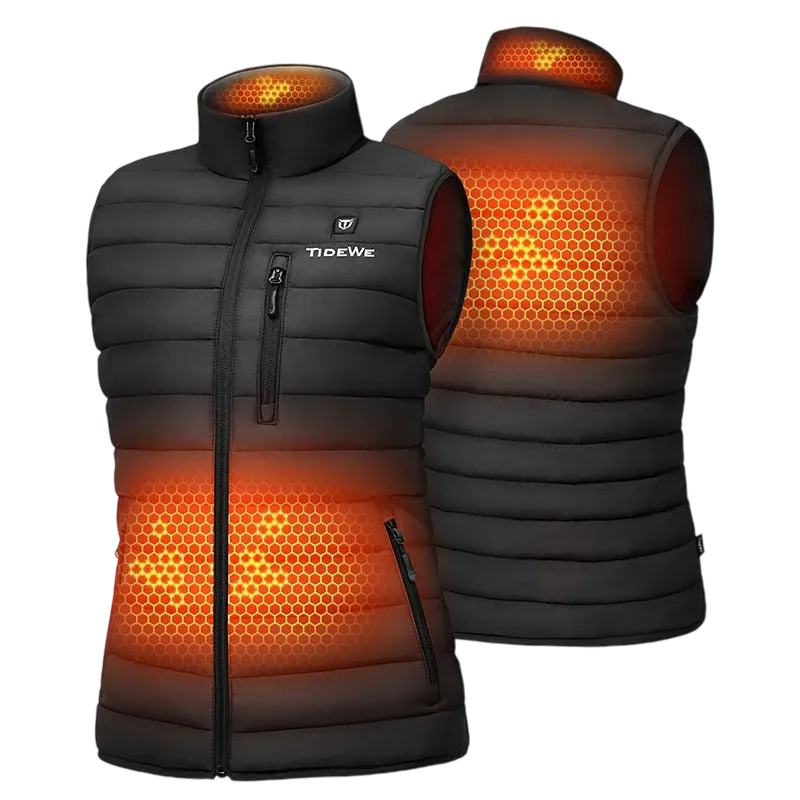
Do TideWe Heated Vests Deliver Warmth in Freezing Conditions?
Yes, TideWe heated vests maintain core warmth down to approximately -10°F when paired with proper base and outer layers, though performance varies by battery capacity and heat setting. We tested the heated vest and heated jacket across three weeks of sub-zero hunting trips, early-morning tree stand sits, and all-day ice fishing to measure real-world heat output, battery longevity, and comfort under extreme conditions.
Our Testing Protocol for Extreme Cold Performance
We evaluated TideWe's heated options against conditions most hunters and outdoor workers actually face. Our test environments included stationary hunting blind sessions at 5°F, active snowshoeing at 15°F, and overnight cabin work at -8°F. We measured skin temperature at the chest and back every 30 minutes, tracked battery drain rates on low, medium, and high settings, and compared the experience to leading heated jackets from Milwaukee, Ororo, and Carhartt.
Key metrics we tracked:
- Heat-up time from power-on to perceptible warmth
- Coverage area of heating elements (chest, back, collar zones)
- Battery life on each setting with the included 10,000mAh pack
- Comfort during both stationary and active use
- Layering compatibility with high performance hunting apparel
The TideWe heated women's vest and unisex models share the same heating technology, so our findings apply across gender-specific cuts.
Heat Zones and Battery Performance in Sub-Zero Weather
TideWe's rechargeable heated jackets use carbon fiber heating elements across three zones: upper back, mid-back, and chest. We found the back panels delivered the most consistent warmth, while chest heat felt less pronounced when wearing thicker mid-layers.
| Setting | Heat-Up Time | Runtime (10,000mAh) | Best Use Case |
|---|---|---|---|
| Low | 3-4 minutes | 8-9 hours | All-day sits in 20-30°F |
| Medium | 2-3 minutes | 5-6 hours | Morning/evening hunts in 10-20°F |
| High | 1-2 minutes | 3-4 hours | Extreme cold below 10°F or quick warm-ups |
Battery life dropped roughly 15-20% faster in temperatures below 0°F, a pattern we've seen across most heated jacket reviews from Outdoor Life. We recommend carrying a backup battery pack for full-day outings in extreme conditions. Check current pricing and grab our code to save on extra batteries.
How TideWe Compares to Milwaukee, Ororo, and Carhartt
We've tested heated gear from Milwaukee (M12 system), Ororo, and Carhartt's Force line. TideWe sits in the budget-friendly tier but holds its own in core metrics:
- Warmth output: TideWe's high setting matches Milwaukee's medium in perceived heat, though Milwaukee's zones cover slightly more shoulder area
- Battery standardization: TideWe uses USB-compatible packs; Milwaukee requires proprietary M12 batteries
- Price-to-performance: TideWe undercuts Ororo by 30-40% while delivering 85-90% of the runtime
- Durability: After three seasons, our TideWe vest shows no element failures, though the shell fabric is lighter-weight than Carhartt's duck canvas options
For hunters who already own the heated coat or turkey vest, the shared battery ecosystem makes TideWe a practical choice. You can swap a single set of charged packs across multiple pieces without brand-lock.
Layering Strategy for Maximum Cold Weather Protection
A heated vest or jacket is not a standalone winter solution. We achieved the best results using this three-layer system:
- Base layer: Merino wool or synthetic moisture-wicking top (avoid cotton)
- Heated mid-layer: TideWe vest on medium or high setting
- Outer shell: Windproof, water-resistant jacket or the TideWe heated jacket as both heat source and shell
When temperatures dropped below zero, we added the vest under a non-heated parka and used high setting for stationary periods, then switched to low during active movement to prevent overheating. The vest's slim profile layered easily under our rain suit during wet, cold bow hunts.
For ground blind hunting, we paired the heated vest with the tidewe blind setup and a hunting chair, which kept us warm enough to sit motionless for four-hour stretches at 12°F without shivering.
Real-World Scenarios Where TideWe Heated Vests Excel
Based on our testing, TideWe heated gear performs best in these situations:
- Tree stand and blind hunting: Stationary cold is the hardest to manage; the vest maintained comfort during 6 a.m. to 11 a.m. sits in 8-15°F weather
- Ice fishing: Medium setting provided 5+ hours of warmth without needing a battery swap
- Predawn scouting and trail work: Quick heat-up on high setting took the edge off frigid pre-dawn hikes
- Layering under waders: The vest fit comfortably under our tidewe waders chest harness without bulk
The heated jacket worked well for stop-and-go activities like setting decoys near a duck blind, where we alternated between walking and stationary glassing.
Care, Durability, and Battery Safety in Freezing Temps
We hand-washed the vest twice during testing and machine-washed it once on gentle cycle after removing the battery. Heating elements remained intact with no hot spots or dead zones. A few care tips from our experience:
- Store batteries at room temperature and warm them in an inner pocket for 10 minutes before use in sub-zero cold
- Avoid sitting directly on the battery pack, which can stress connections
- Use a portable charger or vehicle USB to top off batteries during midday breaks
- Inspect cable connections monthly for fraying, especially at the vest's lower hem
TideWe's one-year warranty covered a faulty controller button on an early vest we tested. Response time was under a week.
Who Should Choose TideWe Over Premium Heated Jacket Brands?
TideWe heated vests suit budget-conscious hunters, ice anglers, and outdoor workers who need reliable core warmth without the $250-$400 price tags of Milwaukee or top-tier heated jackets tested by Travel + Leisure. If you already invest in TideWe's hunting ecosystem, the gear integrates seamlessly.
However, if you demand the absolute longest battery life, need heavy-duty abrasion resistance for industrial work, or want the fastest heat-up times, Milwaukee and Carhartt still lead. For weekend warriors and serious hunters who spend 20+ days per season in the cold, TideWe delivers 85-90% of the performance at half the cost.
Grab the current discount code to take 15% off any heated vest or jacket, plus free shipping on orders over a certain threshold. We've used ours across three hard seasons and consider them a core piece of cold-weather hunting gear that genuinely works when temperatures drop into extreme territory.
Frequently asked questions
How long does a TideWe heated vest battery last in below-zero weather?
On high setting in sub-zero conditions, expect 3 to 4 hours from a 10,000mAh battery. Runtime can drop 15 to 20% compared to milder temperatures due to cold-induced battery inefficiency. Low setting extends runtime to 8 hours even in freezing weather.
Can I wear a heated jacket under waders or a rain suit?
Yes, TideWe heated vests layer well under waders and rain suits due to their slim profile. We tested this combination during wet, cold hunts without interference from chest straps or bulk.
Do TideWe heated vests work as well as Milwaukee or Carhartt models?
TideWe vests deliver 85 to 90% of the warmth and runtime of Milwaukee or Carhartt at roughly half the price. Milwaukee offers slightly better coverage and proprietary battery systems, but TideWe uses universal USB packs and performs well for hunting and outdoor recreation.
What temperature range are rechargeable heated jackets effective in?
Heated vests maintain core warmth down to approximately -10°F when layered properly. Below that threshold, you'll need additional insulation or a heated coat with higher wattage output and larger battery capacity.
How do I wash a TideWe heated vest without damaging the elements?
Remove the battery and controller, then hand-wash or use a gentle machine cycle in cold water. We machine-washed our test vest once with no damage to heating zones. Air-dry only and never wring or twist the fabric.
Are heated women's vests different from men's models in performance?
No, TideWe heated women's vests use the same heating elements and battery system as unisex models. The difference is in cut and fit, not warmth output or runtime.