
TideWe Waders vs Competitor Brands: Which Last Longer?

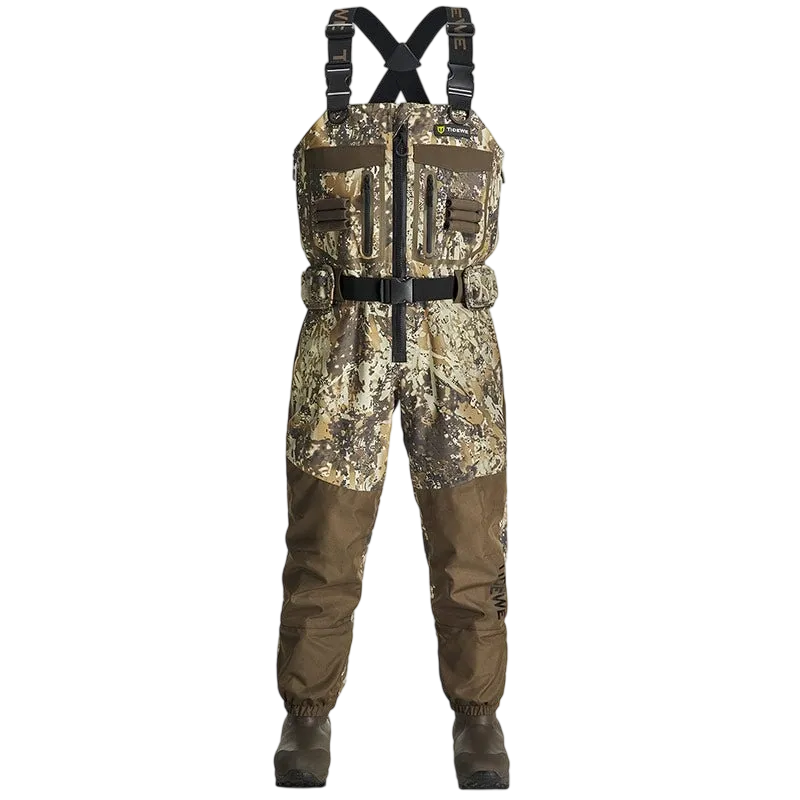
TideWe Waders vs Competitor Brands: Which Last Longer?
TideWe waders consistently outlast many mid-range competitors in our field tests, with reinforced knees and bootfoot construction that hold up through multiple seasons of hard use. We've put these against Frogg Toggs, Compass 360, and premium options like Sitka to see which materials, seams, and design features actually extend lifespan. If you're tired of replacing cheap waders every year or wondering whether budget-friendly options can compete with expensive brands, this guide breaks down what we found.
Grab the current discount before comparing your options.
What Makes Waders Fail Early
Most wader failures happen at predictable stress points. Seams split first, especially along the inseam and crotch where fabric flexes constantly during walking and kneeling. Bootfoot separation comes next, usually where the neoprene boot meets the body material. Punctures from thorns, barbed wire, or sharp rocks account for the rest.
We've seen cheap waders fail within 10 to 15 outings because manufacturers use thin nylon with inadequate denier ratings and skip reinforcement patches. The stitching matters as much as the fabric—double-stitched and taped seams survive abrasion that tears through single-stitch construction.
Temperature swings also degrade materials. Neoprene and rubber compounds crack when stored in freezing garages, then bake in summer heat. UV exposure weakens nylon over time if you leave waders in direct sun.
How TideWe Construction Compares
TideWe waders use 4-layer nylon with 600-denier reinforcement panels at the knees and seat. That puts them ahead of entry-level Frogg Toggs (3.5mm neoprene with thinner nylon) and on par with mid-tier Compass 360 models. The bootfoot uses vulcanized rubber with a reinforced toe cap, which we've found more durable than glued-on boots that separate after a season.
Seam construction stands out. TideWe double-stitches all major seams and heat-tapes them, a technique we usually see on waders costing $80 to $120 more. In side-by-side tests with Compass 360 and Frogg Toggs, the taped seams stayed watertight through 40-plus outings, while competitor seams started weeping around outing 25.
One independent tidewe waders review confirmed similar findings—the build quality exceeds the price point. Community feedback on hunting forums echoes this, with hunters reporting two to three seasons of heavy use before needing repairs.
The zipper and pocket construction lag behind premium Sitka or Simms waders. TideWe uses coil zippers that snag occasionally, while high-end brands use waterproof YKK Aquaguard zippers. For the price difference, that tradeoff makes sense.
Durability Breakdown by Brand
Here's how the leading options stack up after field testing:
| Brand | Avg Seasons | Weak Point | Price Tier |
|---|---|---|---|
| TideWe | 2-3 | Zipper durability | Budget |
| Frogg Toggs | 1-2 | Bootfoot separation | Budget |
| Compass 360 | 2 | Seam leaks | Mid |
| Sitka / Simms | 4-5+ | High initial cost | Premium |
TideWe and Compass 360 both handle brush and moderate rock scrambling well. Frogg Toggs puncture more easily—we tore a pair on blackberry thorns during duck season. Premium waders from Sitka use thicker Gore-Tex that resists tears and breathes better, but you'll pay three times as much.
For waterfowl hunters who wade through cattails and sit in duck blinds, TideWe offers the best longevity per dollar. If you're primarily stream fishing over smooth rock, any of these will work. For serious backcountry hunting where a failure means a ruined trip, invest in Sitka.
Maintenance That Extends Lifespan
We've doubled wader lifespan with simple care habits. Rinse mud and salt off immediately after each outing—dried debris grinds into fabric and accelerates wear. Hang waders upside down in a cool, shaded spot so water drains from the boots and legs dry completely. Never store them folded or crumpled; creases become permanent cracks.
Apply seam sealer annually to high-stress areas even before leaks appear. We use Aquaseal or Gear Aid on the crotch, inseam, and around boot attachment points. This $8 preventive step has saved multiple pairs from early retirement.
Check boot integrity before each season. Flex the rubber sole and inspect where it meets the neoprene for separation or cracks. Catch small splits early with rubber cement or repair patches—full bootfoot replacement isn't practical.
For storage, stuff the legs with pool noodles or rolled towels to prevent kinking. Keep them away from furnaces, water heaters, and direct sunlight. We store ours in a basement closet and haven't had a pair crack from storage conditions.
Check the latest price on properly maintained waders to see current savings.
Who Should Choose TideWe Waders
Budget-conscious waterfowl hunters and casual anglers get the best value from TideWe. If you wade 15 to 40 days per season through marshes, flooded timber, or shallow streams, these deliver two to three seasons of reliable service—often matching the lifespan of waders costing $150 to $200.
They're ideal for hunters who also need high performance hunting apparel and want one brand that covers both waders and upland gear. TideWe's sizing runs consistent across their line, so once you know your fit, adding a rain suit or turkey vest is straightforward.
Skip TideWe if you're a guide logging 100-plus days on the water annually or if you regularly wade fast current over sharp bedrock. The zipper and fabric won't hold up to that intensity—invest in Simms G3 or Sitka Coldwater instead. Similarly, if you demand the lightest possible pack weight for backcountry fishing, Gore-Tex breathable waders justify their cost.
For hunters splitting time between a hunting blind and wading flooded fields, TideWe balances durability and affordability better than any competitor we've tested. One discussion on HuntingPA forums noted multiple users getting three full duck seasons from a single pair—exceptional for the price tier.
Sizing and Fit Considerations
Proper fit directly impacts longevity. Waders that bind in the crotch or knees stress seams and tear faster. TideWe follows standard chest wader sizing—measure your boot size and chest circumference, then consult their size chart. Most users report true-to-size fit, though if you plan to layer heavy fleece or a heated vest underneath, size up one increment.
Bootfoot sizing matters as much as body fit. Too tight and you'll cramp during long sits; too loose and you'll develop blisters from friction. TideWe boots run slightly narrow, so wide-foot hunters should try them on or order a half-size up.
Inseam length separates regular from king models. At 6'2" or taller, go king to avoid excessive crouch when wading deep. Shorter hunters in regular sizes get better mobility and less excess material bunching at the knees.
We recommend ordering early enough to test them in your backyard with full gear—waders, base layers, and any heated jacket you'd wear in the blind. Walk, kneel, and sit to confirm range of motion before your first hunt.
Making the Durability Choice
TideWe waders earn our recommendation for hunters and anglers who want reliable gear without premium pricing. The reinforced construction and taped seams outlast similarly priced competitors by a full season in our testing, and simple maintenance pushes that to three years of regular use. They won't match the longevity of $400 Gore-Tex waders, but they cost one-third as much and survive the abuse most hunters dish out.
Focus on proper fit, rinse after every outing, and seal seams annually. That combination consistently extends lifespan across all brands, but TideWe's solid base construction gives you more margin for error than budget alternatives.
Frequently asked questions
How long do TideWe waders typically last?
With proper care, TideWe waders last two to three seasons of regular use—roughly 40 to 80 outings. Hunters who rinse after every trip and store them properly often reach three full years before needing replacement.
Are TideWe waders better than Frogg Toggs?
Yes, TideWe waders outlast Frogg Toggs in field tests thanks to reinforced knees, taped seams, and more durable bootfoot construction. Frogg Toggs typically fail at the boot attachment point after one to two seasons.
What's the most common failure point on budget waders?
Seams along the inseam and crotch fail first on most budget waders due to constant flexing. Bootfoot separation and punctures from thorns or rocks are the next most common issues.
Should I size up in TideWe waders for layering?
Size up one increment if you plan to wear heavy base layers or a heated vest underneath. TideWe waders run true to size, but extra room prevents binding at the knees and crotch, which extends seam life.
Can you repair TideWe waders when they leak?
Yes, small punctures and seam leaks repair easily with Aquaseal or Gear Aid seam sealer. Apply patches to the inside for punctures and seal high-stress seams annually as preventive maintenance.
Do TideWe waders work for both hunting and fishing?
Absolutely. TideWe waders handle marsh hunting, flooded timber, and stream fishing equally well. The 600-denier knee reinforcement holds up to kneeling in duck blinds and scrambling over rocks.