
How to Waterproof and Maintain Your TideWe Hunting Blind

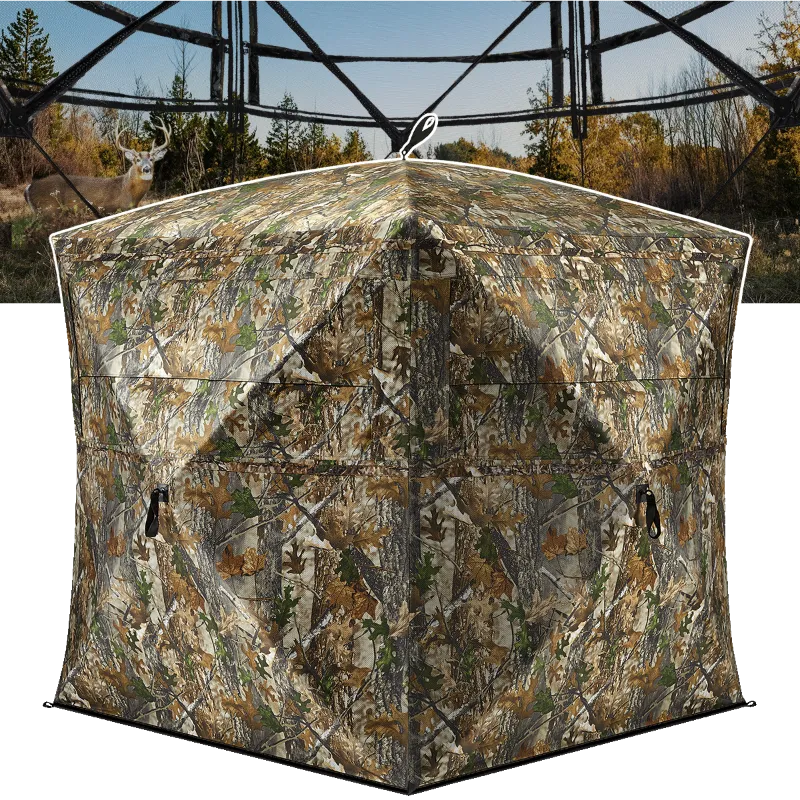
A tidewe hunting blind stays waterproof and functional for years when you maintain it properly with routine cleaning, seam sealing, and correct storage. We tested these maintenance techniques on hunting blind setups in wet conditions to help you protect your investment and stay dry during long sits.
Why Your TideWe Blind Needs Regular Waterproofing
Factory waterproofing degrades over time from UV exposure, abrasion, and repeated folding. Most duck blind fabrics arrive with a DWR (durable water repellent) coating that causes water to bead and roll off, but this coating wears away after 20 to 30 setups or one full season of use. Without maintenance, seams become the first entry point for moisture, followed by high-wear areas like door flaps and windows.
We've noticed that hunters who grab the code for their TideWe gear and then neglect care end up replacing blinds every two seasons, while those who maintain theirs get five or more years of reliable performance.
Step-by-Step Waterproofing for Your TideWe Hunting Blind
Clean Before You Seal
Remove all dirt, leaves, and debris from the fabric. Set up the blind fully and use a soft brush or cloth with lukewarm water to scrub away mud and organic matter. Avoid pressure washers, which can damage waterproof coatings and force water through seams. Let the blind dry completely in shade for 24 to 48 hours before applying any sealant.
Apply Seam Sealer to Vulnerable Areas
Focus on these high-risk zones:
- Roof seams where panels connect
- Corner joints where vertical and horizontal fabric meet
- Window and door flaps that fold repeatedly
- Floor attachment points that contact wet ground
Use a brush-on seam sealer designed for synthetic fabrics (silicone-based for silnylon, polyurethane-based for polyester). Apply a thin, even coat along each seam, working from inside the blind when possible. One bottle typically covers a tidewe hunting blind 3-4 person setup. Allow 12 hours of cure time in a ventilated area.
Reapply DWR Spray to Fabric Panels
Once seams are sealed and dry, restore the water-repellent finish on fabric surfaces. Choose a spray-on DWR product compatible with polyester or nylon, depending on your blind's material. Hold the spray 6 to 8 inches from the fabric and apply in overlapping passes until the surface appears evenly damp, not soaked. Pay extra attention to the roof and windward walls. Let it dry for 6 hours, then heat-activate the coating with a hairdryer on low setting to bond it to the fibers.
Routine Maintenance Between Hunts
Clean your tidewe blind after every 3 to 5 outings or whenever you notice heavy soiling. Shake out loose debris immediately after each hunt to prevent mold growth. Inspect zippers and Velcro closures for dirt buildup, which causes premature wear, and wipe them clean with a damp cloth.
Check for small tears or punctures after each season. Repair these immediately with tenacious tape or a fabric patch kit before water infiltrates and expands the damage. A Tidewe blinds...an honest review - HuntingPA.com thread confirms that prompt repairs prevent most field failures.
Store the blind loosely rolled or hung, never compressed in a stuff sack for more than a week. Compression breaks down waterproof coatings and creates permanent creases that leak. Keep it in a dry, climate-controlled space away from direct sunlight to preserve UV-sensitive fabric treatments.
Materials You'll Need for Proper Care
| Item | Purpose | Application |
|---|---|---|
| Seam sealer (brush-on) | Seal stitching and joints | Apply every 1-2 seasons |
| DWR spray | Restore water repellency | Reapply every 20-30 uses |
| Soft brush or sponge | Clean fabric without damage | Use after every 3-5 hunts |
| Tenacious tape | Emergency field repairs | Carry in your pack |
Pair your blind maintenance with care for other gear. If you wear a rain suit or high performance hunting apparel in the field, those items benefit from the same DWR treatments and seam sealing to keep you dry during all-day sits.
Extending the Life of Your Hunting Blind
Avoid setting up directly on gravel, sharp stubble, or rocky ground that punctures the floor. Use a tarp or ground cloth as a barrier, or choose soft earth and matted grass. When you check the latest price on a new setup, factor in the cost of a quality ground sheet to double your blind's lifespan.
Anchor stakes and guy lines properly to prevent wind damage. A tidewe hunting blind 360 design catches wind from all directions, so tension lines evenly and inspect knots before each hunt. Replace frayed cordage immediately.
During transport, protect the blind from abrasion by keeping it separate from sharp objects like broadheads, tree steps, or hunting chair frames. A dedicated storage bag with padding prevents unnecessary wear during vehicle transport.
When to Replace vs. Repair
Reapply waterproofing treatments when water no longer beads on the fabric or seams show moisture after light rain. Replace the blind when fabric becomes brittle, multiple seams fail simultaneously, or frame poles crack beyond repair. Most well-maintained TideWe blinds last 4 to 6 seasons of moderate use (15 to 25 days per year).
If you're comparing where to buy tidewe blinds or considering an upgrade, maintaining your current setup often delivers better value than replacing it prematurely. Proper care costs $20 to $40 per season in sealants and sprays, while a new blind runs significantly more even with our current discount code.
Seasonal Storage Tips
Before off-season storage, clean the blind thoroughly and treat it with fresh DWR. Store it fully dry to prevent mildew and odor. Hang it loosely in a garage or basement, or roll it without compression and place it on a shelf. Never store a damp blind, even for a few days, as mold colonizes synthetic fabrics quickly and permanently damages waterproof coatings.
Inspect zippers and window closures before storing. Apply zipper lubricant (wax-based or silicone) to keep them operating smoothly. Remove batteries from any electronic accessories and check frame components for rust or stress cracks.
By following these waterproofing and maintenance steps, your TideWe setup will keep you concealed and comfortable through countless hunts, no matter the weather.
Frequently asked questions
How often should I reapply waterproofing to my TideWe hunting blind?
Reapply seam sealer every 1 to 2 seasons and DWR spray every 20 to 30 setups or whenever water stops beading on the fabric. Inspect after heavy rain to catch any spots that need touch-ups.
Can I use a pressure washer to clean my hunting blind?
No, pressure washers damage waterproof coatings and force water through seams. Use a soft brush or sponge with lukewarm water instead, then air-dry completely before applying any treatments.
What's the best way to store a TideWe blind during the off-season?
Store it loosely rolled or hung in a dry, climate-controlled space away from sunlight. Never compress it in a stuff sack for extended periods, as this breaks down waterproof coatings and creates permanent creases.
How do I know when my blind needs new waterproofing treatment?
Test by spraying water on the fabric. If it soaks in rather than beading up and rolling off, it's time to reapply DWR spray. Check seams during light rain; any moisture penetration means you need fresh seam sealer.
Where can I find the best price on TideWe blind maintenance supplies?
Most seam sealers and DWR sprays are available at outdoor retailers or online. For TideWe gear itself, check our discount code page for current offers on blinds and accessories.
Should I waterproof a brand new TideWe hunting blind?
New blinds come with factory waterproofing, but adding extra seam sealer to high-stress areas like roof seams and door flaps before first use provides added protection and extends the coating's life.