
How to Choose the Right Size TideWe Waders for Kids

How to Choose the Right Size TideWe Waders for Kids
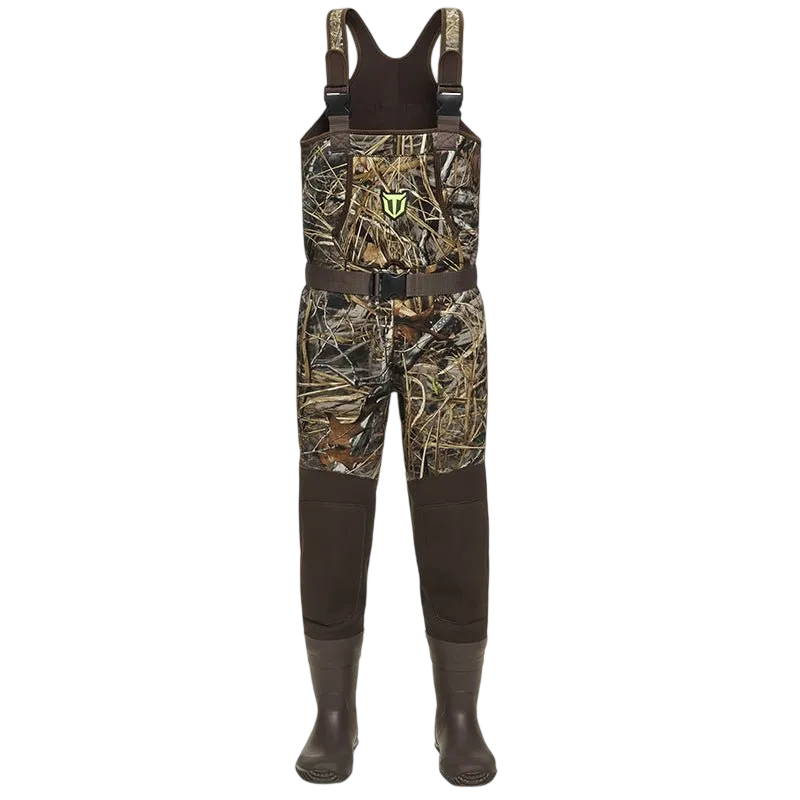
The right size tidewe waders for kids depends on boot size, inseam length, and chest measurement, with room to layer underneath. TideWe youth waders run true to size but allow space for growth, so most parents size up when their child falls between measurements. Getting this fit right the first time keeps young hunters and anglers comfortable in the field and saves you from dealing with returns.
We tested multiple youth sizes across different builds and here's exactly how to measure, what the size chart really means, and when to size up or down.
Measure Your Child Before You Check the Size Chart
Start with three measurements wearing the socks and base layers your child will use in the field. Have them stand straight against a wall in their hunting socks.
Boot size is the foundation. Measure both feet (they're often different) and use the larger measurement. TideWe youth waders use standard U.S. boot sizing, so if your child wears a size 4 sneaker, start with a size 4 wader boot. The built-in boots have about a half-size of wiggle room.
Inseam runs from the crotch seam to the floor. This determines whether the wader body will be too long or bunch at the ankles. Kids grow fast, so measure every season.
Chest circumference wraps around the widest part of the chest, usually just under the armpits. Keep the tape snug but not tight. This matters more if your child will layer a heated vest or heavy fleece underneath during cold-weather hunts.
Write down all three numbers before you open the TideWe waders size chart. Guessing leads to ill-fitting waders that leak at the seams or trip your kid in the blind.
Reading the TideWe Waders Size Chart for Youth Models
TideWe publishes a youth size chart on every wader product page, and the measurements are accurate in our experience. Youth sizes typically range from size 1 (for younger grade-schoolers) through size 6 or 7 (for pre-teens and smaller teenagers).
Each size lists a boot size range, an inseam range, and a chest range. If two of your three measurements fall within one size, that's your starting point. When measurements split across two sizes, default to the larger size—waders that are slightly big can be cinched with the adjustable straps, but waders that are too small restrict movement and tear at stress points.
The TideWe waders review from Field & Stream notes that the brand's adult models run true to size, and we found the same consistency in the youth line. You can also cross-reference the size chart directly on the TideWe online shop for the most current specs.
One common question on the TideWe waders Reddit threads: the chest measurement assumes one moderate layer underneath. If your child will wear bulky high performance hunting apparel or a heated jacket during late-season waterfowl hunts, add two inches to the chest measurement and size up accordingly.
When to Size Up and When to Stick With True-to-Size
Size up if your child is in a growth spurt, if their measurements fall on the upper edge of a size range, or if they'll be layering heavily. Youth waders with adjustable shoulder straps and built-in belts can accommodate about two inches of extra length without compromising safety or mobility.
Stick with true-to-size if your child measures squarely in the middle of a size range and wears only light base layers. Waders that are too large collect water in the feet, cause blisters from heel slippage, and create tripping hazards when walking through marsh grass or climbing into a duck blind.
Never size down to "save money" by planning for them to grow into the waders next season. Undersized waders restrict blood flow in cold water, put stress on seams, and make it nearly impossible for kids to move safely. If budget is a concern, grab the code for 15% off and buy the right size now.
Fit Check Points After the Waders Arrive
Once the waders arrive, do a dry fit indoors before the first hunt. Have your child put on their typical hunting layers, step into the waders, and pull the straps over their shoulders.
- Boot fit: Toes should have about a thumb's width of space at the front. The heel should stay planted when they walk, with no more than a quarter-inch of lift.
- Inseam: The crotch seam should sit at or just below their natural crotch. If it hangs more than two inches low, size down. If it pulls tight when they squat, size up.
- Chest and arms: Shoulder straps should be snug but not digging in. Have them raise their arms overhead and squat fully—the waders shouldn't pull away from the boots or restrict their squat depth.
- Waist belt: Cinch the built-in belt so the waders stay snug around the torso. Extra fabric at the waist is normal and prevents water entry.
Walk around the house for five minutes. Blisters, chafing, and pressure points show up quickly. If something feels off during the indoor test, it will be worse after two hours in a wet field.
Pairing Youth Waders With Other TideWe Gear
Youth tidewe waders pair well with the brand's other youth and unisex gear for extended comfort. A lightweight rain suit works as an outer shell in heavy rain, and a turkey vest adds convenient pocket storage without bulk under the wader straps.
For cold-weather hunts where your child will be stationary in a hunting blind or tidewe blind, layer a heated women's vest (which also fits older youth) or a compact heated coat underneath the waders. Just remember to account for that extra chest and shoulder bulk when sizing the waders. A hunting chair inside the blind keeps them off cold ground and reduces fatigue on long sits.
Check the latest price and current stock on youth sizes before peak waterfowl and spring turkey seasons, when popular sizes sell out fast.
Care Tips to Extend the Life of Youth Waders
Kids are rough on gear, but proper care keeps youth waders functional for multiple seasons or hand-me-downs.
Rinse waders inside and out with fresh water after every use, especially after saltwater or muddy hunts. Hang them upside down by the boots in a cool, dry space away from direct sunlight. Never store waders folded or bunched—this cracks the waterproof coating along crease lines.
Inspect seams and boots before each outing. Small leaks caught early can be patched with wader repair adhesive; ignored leaks turn into full seam failures. Teach your child to walk carefully around barbed wire, sharp rocks, and stick-ups to avoid punctures.
When they outgrow the waders, clean them thoroughly and store them flat or on a hanger. TideWe youth waders hold resale value well on local hunting forums and Facebook groups, or they make excellent hand-me-downs for younger siblings and cousins.
Frequently asked questions
Do TideWe youth waders run true to size?
Yes, TideWe youth waders run true to size based on the published size chart. If your child's measurements fall between two sizes or they're in a growth spurt, size up for a better fit with room to layer.
How much room should kids have in wader boots?
Kids should have about a thumb's width of space at the toe and no more than a quarter-inch of heel lift when walking. Too much room causes blisters, while too little restricts circulation in cold water.
Can kids wear heated layers under waders?
Yes, kids can wear lightweight heated vests or jackets under waders for cold-weather hunts. Add two inches to the chest measurement when sizing waders if your child will layer bulky heated gear underneath.
What measurements do I need for youth waders?
Measure boot size, inseam from crotch to floor, and chest circumference at the widest point. Take all three measurements while your child wears the socks and base layers they'll use hunting, then compare to the size chart.
How do I know if youth waders are too big?
Waders are too big if the heel lifts more than a quarter-inch when walking, the crotch seam hangs more than two inches below their natural crotch, or water pools in the boot area. Adjust straps first before sizing down.
Should I size up youth waders for growth?
Size up one size if your child is actively growing or measures at the top of a size range. Going more than one size up creates safety hazards from tripping and reduces waterproof effectiveness at the seams.