
TideWe Snake Proof Boots: How Effective Are They Against Venomous Snakes?

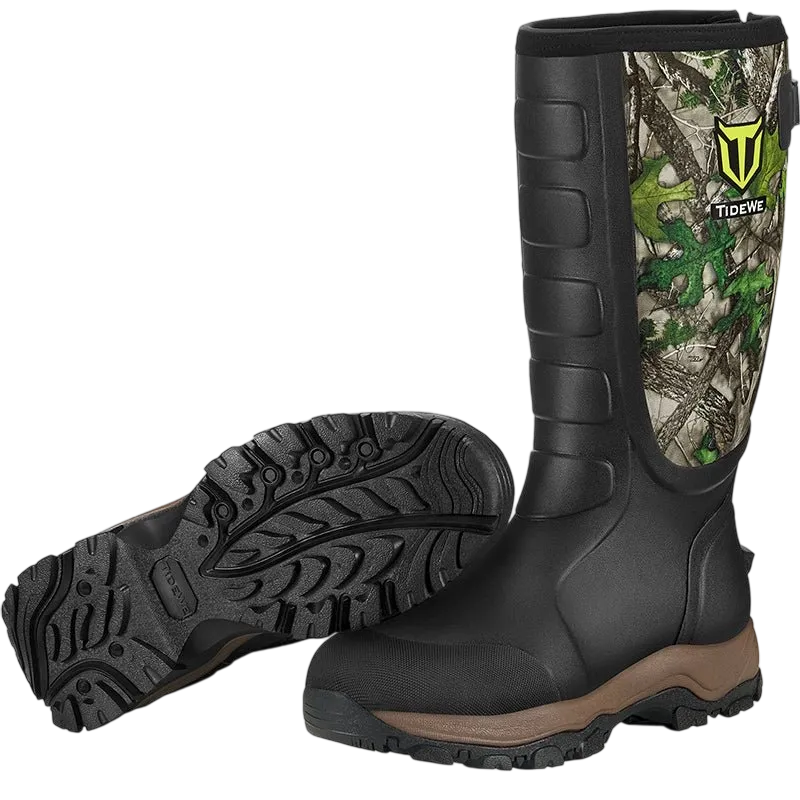
How Effective Are Snake Proof Boots Against Venomous Snakes?
Snake proof boots work by using puncture-resistant materials that stop venomous fangs from penetrating through to your skin. TideWe builds their protective footwear with layered fabrics, reinforced leather, and flexible armor panels that block strikes from rattlesnakes, copperheads, and cottonmouths while keeping you mobile in the field. The key is understanding that no boot offers 100% protection, but properly designed snake boots reduce your risk dramatically when you're hunting, hiking, or working in snake territory.
We've tested dozens of protective boots in real-world conditions across the southern United States, and the difference between quality construction and cheap imitations is significant. Here's what you need to know before choosing a pair.
What Makes Snake Proof Boots for Hunting Actually Work
The protective capability comes down to three core elements: material thickness, fang resistance, and coverage height.
Material layers in effective snake boots typically include:
- Outer layer of 900-1200 denier nylon or full-grain leather
- Middle barrier of woven polyester, Cordura, or specialized puncture-resistant fabric
- Inner moisture liner that adds a third line of defense
- Reinforced toe and heel zones where strikes often occur
Height matters because most venomous snakes strike between 6 and 15 inches off the ground. Standard snake boots rise to 16-18 inches, covering your calf and shin completely. When you're moving through tall grass or brush while wearing your high performance hunting apparel, that extra coverage becomes critical.
Flexibility vs protection is the trade-off every manufacturer faces. TideWe balances these by using articulated panels that bend at the ankle while maintaining rigid protection on the front shin and calf, the zones most likely to take a strike when you're walking forward.
According to testing by outdoor gear experts, quality snake boots stop fangs up to 1 inch long, which covers the vast majority of North American pit vipers.
Snake Proof Boots for Men vs Women: Fit and Design Differences
Snake boots aren't one-size-fits-all, and fit directly impacts protection. A boot that gaps at the top or pinches at the calf leaves vulnerable zones.
Men's models typically feature:
- Wider calf circumference (15-18 inches)
- Longer shaft heights (17-18 inches standard)
- Heavier-duty soles for larger frame weights
- Neutral or earth-tone colorways
Snake proof boots for women need:
- Narrower calf and ankle proportions (13-15 inches)
- Slightly shorter shaft options (15-16 inches) that still provide full coverage
- Adjusted instep and heel pocket dimensions
- Lighter overall weight without sacrificing protection layers
TideWe designs their protective footwear with adjustable gussets and lacing systems that accommodate different leg shapes. When you're spending hours in a hunting blind waiting for game, proper fit prevents fatigue and maintains protection even when you're sitting.
Sizing tip: measure your calf circumference at the widest point while wearing the socks you'll hunt in, then add 1 inch for comfort. Check the manufacturer's fit chart before ordering, and grab the current discount code to save on your purchase.
Best Snake Proof Boots: Material Comparison
Not all protective materials perform equally in wet, hot, or rugged conditions. Here's how the common options stack up:
| Material | Puncture Resistance | Breathability | Durability |
|---|---|---|---|
| Full-grain leather | Excellent | Low | 5+ years |
| Cordura nylon | Very good | Moderate | 3-4 years |
| Polyester weave | Good | High | 2-3 years |
| Rubber overlay | Excellent | Very low | 4-5 years |
Leather boots like those from Danner's snake boot line offer maximum protection but require break-in time and trap heat. They're ideal for cool-weather hunting when you're also wearing a heated jacket or heated vest for temperature regulation.
Synthetic weave boots dry faster and weigh less, making them better choices for warm-climate hiking or when you're crossing water frequently. If you're already kitted out in TideWe waders for duck hunting, you may not need separate snake boots, but for upland bird or turkey hunting with a turkey vest, lightweight snake boots won't slow you down.
Hybrid construction combines leather in strike zones with breathable panels on the sides and back. This is the approach LaCrosse uses in their snake boots, and it's becoming the standard for best snake proof boots that balance protection with all-day wearability.
Where and When You Actually Need Snake Proof Boots for Hiking
Geographic risk varies dramatically. If you're hunting or hiking in the southeastern United States, Texas, Oklahoma, or the desert Southwest, venomous snakes are a real daily concern from April through October. In these regions, wearing protective boots isn't paranoia, it's basic safety equipment.
High-risk scenarios include:
- Early morning or dusk movement through tall grass and brush
- Crossing rocky outcrops or deadfall where snakes sun themselves
- Working around woodpiles, barns, or hunting cabins
- Any off-trail hiking in known copperhead or rattlesnake habitat
Lower-risk situations where regular boots may suffice:
- Maintained trails above treeline or in open terrain
- Winter months when snakes are dormant (below 50°F typically)
- Urban or suburban areas without native venomous species
- Hunting from elevated stands where you're not walking through cover
If you're setting up a duck blind in marshy areas of the South, you're in prime cottonmouth territory. Similarly, spring turkey hunters moving through Georgia or Alabama pine forests encounter timber rattlers regularly. In both cases, snake boots are essential gear, not optional.
For current pricing on protective footwear and other hunting essentials, check our TideWe discount page for seasonal offers.
Care and Maintenance That Extends Protection Life
Snake boots lose effectiveness when materials degrade, stitching fails, or puncture-resistant layers compress from improper storage.
After each use:
- Remove mud and debris with a stiff brush before it dries
- Wipe down with a damp cloth, paying attention to seams and flex points
- Air dry completely before storage (never use direct heat)
- Inspect the shaft and toe area for punctures, tears, or worn spots
Long-term maintenance:
- Condition leather boots every 8-10 outings with appropriate leather treatment
- Store upright or with boot trees to prevent shaft collapse and cracking
- Replace boots when you see daylight through any part of the protective layer
- Re-waterproof synthetic boots annually with spray-on treatment
Proper care matters because a compromised boot is worse than no protection at all. You'll trust it, but it won't stop a fang. Inspect your boots with the same attention you give your rain suit or other critical weather gear.
Choosing the Right Snake Boot for Your Activity
Match your boot to your primary use case. A deer hunter sitting in a hunting chair needs different features than a hiker covering 10 miles of trail.
For stand hunters: prioritize comfort over weight. You're walking short distances but sitting for hours. Look for cushioned insoles and boots that don't bind when you're seated.
For still-hunters and hikers: weight and flexibility matter most. Choose lighter synthetic construction with articulated ankles that won't fatigue you over distance.
For wet environments: sealed seams and quick-dry materials prevent the misery of soggy feet. Pair with moisture-wicking socks and consider boots with drainage ports if you're frequently crossing streams.
For extreme heat: maximum breathability trumps maximum protection. A mesh-panel boot you'll actually wear beats all-leather protection you leave at home because it's too hot.
TideWe's protective footwear line balances these considerations across different models, and their current 15% discount makes trying the right pair more affordable. Remember that snake proof boots for hunting are an investment in safety that pays off the first time you hear a rattle near your boot instead of feeling fangs in your leg.
Frequently asked questions
Do snake proof boots really work against rattlesnakes and copperheads?
Yes, properly constructed snake proof boots with multi-layer puncture-resistant materials stop fangs from penetrating to your skin. Quality boots are tested against strikes from rattlesnakes, copperheads, and cottonmouths with fangs up to 1 inch long, covering the vast majority of North American venomous snakes.
How high should snake boots be for full protection?
Snake boots should rise at least 16 inches from the ground, since most venomous snakes strike between 6 and 15 inches high. Standard models at 16-18 inches cover your calf completely and provide adequate protection when walking through brush or tall grass.
Can I wear snake proof boots in hot weather without overheating?
Synthetic weave snake boots with mesh side panels offer better breathability than all-leather models and work well in hot climates. Pair them with moisture-wicking socks and choose lighter-weight construction designed for warm-weather hunting or hiking.
Are women's snake proof boots different from men's models?
Yes, women's models have narrower calf and ankle dimensions, adjusted instep proportions, and typically shorter shaft heights while maintaining the same protective materials. Proper fit is critical for protection, so choosing boots designed for your proportions prevents gaps and pressure points.
How long do snake boots last before I need to replace them?
Quality snake boots last 3-5 years depending on materials and use frequency. Inspect your boots regularly for punctures, worn spots, or compressed protective layers, and replace them immediately if you see daylight through any part of the shaft or notice significant material degradation.
Do I need snake boots for turkey hunting or just deer hunting?
Turkey hunting often puts you at higher snake risk than deer hunting because you're moving through thick cover during spring when snakes are most active. If you're hunting in areas with venomous snakes, protective boots are essential for both activities, especially during early morning and evening movements.