
How Long Do Electric Towel Warmers Last?

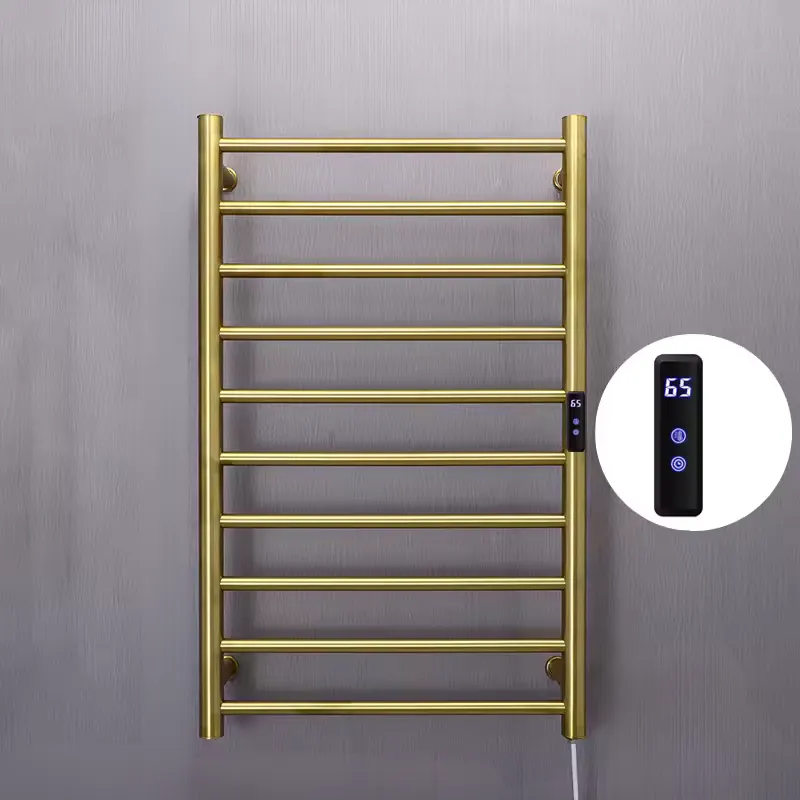
An electric towel warmer typically lasts 10 to 15 years with proper maintenance, though premium models with stainless steel construction can last 20 years or more. The lifespan depends on build quality, how often you use it, and whether you perform basic upkeep. We tested several heated towel warmers to understand what separates a long-lasting unit from one that fails early.
What Determines Electric Towel Warmer Lifespan
The materials and heating element quality drive how long your unit performs. Stainless steel and aluminum models resist rust and corrosion better than chrome-plated steel, especially in humid bathroom environments. The heating element itself, whether a fluid-filled tube or electric coil, determines reliability. Sealed oil-filled systems tend to outlast basic wire elements because they distribute heat more evenly and stress the components less.
Installation quality matters too. A wall-mounted electric towel warmer that is hardwired into your electrical system and installed by a licensed electrician often lasts longer than plug-in models, since the connection remains stable and protected from moisture. Freestanding and plug-in racks offer convenience but expose the power cord to wear and water exposure over time.
Build quality varies widely. Budget models may use thin-gauge metal that warps under repeated heating cycles, while premium units feature thicker walls and reinforced welds. When shopping, check the latest price on models with at least a two-year warranty, which signals manufacturer confidence in longevity.
How Usage Patterns Affect Durability
Running your heated towel warmer continuously versus on-demand impacts its lifespan. Units designed for 24/7 operation, common in European markets, use industrial-grade thermostats and heating elements rated for constant duty. These can reach 20-plus years. Models intended for occasional use, typically sold in North America, may last only 8 to 12 years if left on all day.
Cycling power on and off stresses electrical components. If you use a timer or smart plug to heat towels only before your morning shower, the relay and thermostat switch more frequently, which can shorten life. Conversely, never turning the unit off can overheat lower-quality elements. The sweet spot for most electric towel warmers is running them 2 to 4 hours per day.
Overloading the rack reduces airflow around the heating element, causing hot spots and premature failure. Drape one or two bath towels at a time rather than stacking multiple layers. Think of it like pairing a towel rack with towels in your bathroom layout: proper spacing keeps everything functional longer.
Best Electric Towel Warmer Materials for Longevity
Stainless steel 304-grade stands out as the most durable material for bathroom applications. It resists pitting and corrosion even in steamy, salt-laden coastal environments. Polished or brushed finishes hold up better than chrome plating, which can chip and peel after five to seven years of exposure to moisture and cleaning chemicals.
Aluminum racks weigh less and heat faster but may develop oxidation spots over time. They work well in powder rooms or guest baths with lower humidity. Avoid models with visible welds that look rough or uneven, as these stress points can crack.
For wall-mounted installations, examine the mounting brackets. Solid brass or stainless hardware prevents rust stains on your tile or drywall. Plastic anchors degrade faster than metal toggle bolts or masonry anchors, especially if you have a bathroom light fixture or restroom mirror with lights nearby generating additional heat.
| Material | Average Lifespan | Best For |
|---|---|---|
| Stainless Steel 304 | 15-20 years | High-humidity bathrooms, coastal homes |
| Chrome-Plated Steel | 8-12 years | Budget-conscious buyers, guest baths |
| Aluminum | 10-15 years | Quick heat-up, lighter weight needs |
The heating element itself should be sealed and UL or ETL listed. Open-coil designs collect dust and moisture, leading to shorts. Fluid-filled tubes, similar to oil-filled space heaters, maintain even temperature and rarely leak if manufactured correctly.
Maintenance Tips to Extend Your Electric Towel Warmer Rack
Wipe down the bars weekly with a microfiber cloth to remove soap residue, hard water spots, and dust. For stainless models, use a mild stainless cleaner every month to preserve the finish. Avoid abrasive scrubbers that scratch the surface and create entry points for corrosion.
Check electrical connections annually if you have a hardwired unit. Loose terminals generate heat and degrade insulation. If your model plugs in, inspect the cord for fraying or cracks where it enters the plug or unit. Replace any damaged cord immediately to prevent shock or fire risk.
Keep ventilation clear. Don't install your electric towel warmer for bathroom use inside a closed cabinet or directly beneath a shelf. Allow at least three inches of clearance on all sides for air circulation, similar to how you would space a soap dispenser or other fixtures.
Drain and refill fluid-filled models every five years if the manufacturer provides a service port. This prevents sludge buildup that reduces heat transfer efficiency. Most sealed systems do not require this, but consult your manual. Grab the code for the best value on replacement parts or upgrades when needed.
During extended absences, unplug or switch off the unit to prevent thermal cycling in an empty house. This rest period can actually extend component life by reducing cumulative stress.
Signs Your Heated Towel Warmer Needs Replacement
Uneven heating across the bars indicates a failing element or internal blockage in fluid-filled systems. If the top rail stays cold while the bottom overheats, replacement is safer than repair. Rust spots that penetrate through the finish, not just surface discoloration, signal structural weakness.
Electrical issues like tripped breakers, flickering indicator lights, or a burning smell require immediate shutoff and professional inspection. These symptoms often mean the thermostat or wiring has degraded beyond safe repair. Similarly, if you notice issues with other bathroom fixtures like your sink faucets or bathtub faucet around the same time, it may point to broader electrical or plumbing system aging.
Physical damage, such as bent bars or cracked welds, compromises both function and safety. While cosmetic dents may not affect performance, structural cracks can leak fluid or expose live wiring.
When replacement time comes, compare your options using resources like The 7 Best Towel Warmers The Spruce Has Tested to understand current quality standards. Pair your new unit with other bathroom upgrades such as a rain shower head or bathroom mirror bath to create a cohesive spa-like experience.
Who Benefits Most from Long-Lasting Electric Towel Warmers
Homeowners who prioritize bathroom comfort and have the budget for quality fixtures see the best return on a durable heated towel warmer. If you or family members have circulation issues, arthritis, or simply dislike cold towels, a 15-year investment pays for itself in daily use.
Rental property owners should calculate lifespan against tenant turnover. A mid-range electric towel warmer rack that lasts 10 years across multiple leases offers better value than luxury models tenants may not fully appreciate. In vacation rentals or Airbnb properties, the spa-like amenity justifies a higher upfront cost since it directly impacts guest reviews.
Climate matters too. Homes in the Pacific Northwest, Northeast, or other damp regions benefit more from a premium stainless model than households in arid climates where a basic unit suffices. Consider your bathroom's existing humidity levels and whether you already combat moisture with ventilation fans or a grounding mat for other wellness purposes.
Ultimately, an electric towel warmer that lasts a decade or more transforms your daily routine while requiring minimal upkeep. Choose quality materials, install correctly, and maintain it like you would any other hardworking bathroom fixture. The warmth and comfort you gain every morning make it one of the most satisfying bathroom upgrades available.
Frequently asked questions
How long does a typical electric towel warmer last?
Most electric towel warmers last 10 to 15 years with regular maintenance. Premium stainless steel models can exceed 20 years, while budget chrome-plated units may need replacement after 8 to 12 years depending on bathroom humidity and usage frequency.
Can I leave my heated towel warmer on all the time?
Units designed for continuous operation can run 24/7 safely, but models intended for occasional use perform best when operated 2 to 4 hours per day. Check your manual for the manufacturer's recommendation, as constant use can shorten lifespan in models not rated for continuous duty.
What causes an electric towel warmer to stop working?
Common failures include corroded heating elements from moisture exposure, damaged power cords, failed thermostats, or internal blockages in fluid-filled systems. Uneven heating, rust spots, or electrical issues like tripped breakers signal it is time for professional inspection or replacement.
Is stainless steel better than chrome for towel warmer longevity?
Yes, stainless steel 304-grade resists corrosion and pitting far better than chrome plating, especially in high-humidity bathrooms. Chrome can chip and peel after 5 to 7 years, while quality stainless steel maintains its finish for 15 years or longer with minimal care.
Do wall-mounted electric towel warmers last longer than plug-in models?
Wall-mounted hardwired units typically outlast plug-in models because the electrical connection stays protected from moisture and physical wear. Plug-in cords experience more stress and water exposure, though both types can provide long service with proper installation and maintenance.
How do I extend the life of my electric towel warmer rack?
Wipe bars weekly to remove soap residue and hard water spots, inspect electrical connections annually, and avoid overloading with too many towels. Keep at least three inches of clearance for ventilation, and unplug the unit during extended absences to reduce thermal stress on components.