
How Long Do TOSOT Mini Splits Last with Proper Maintenance?

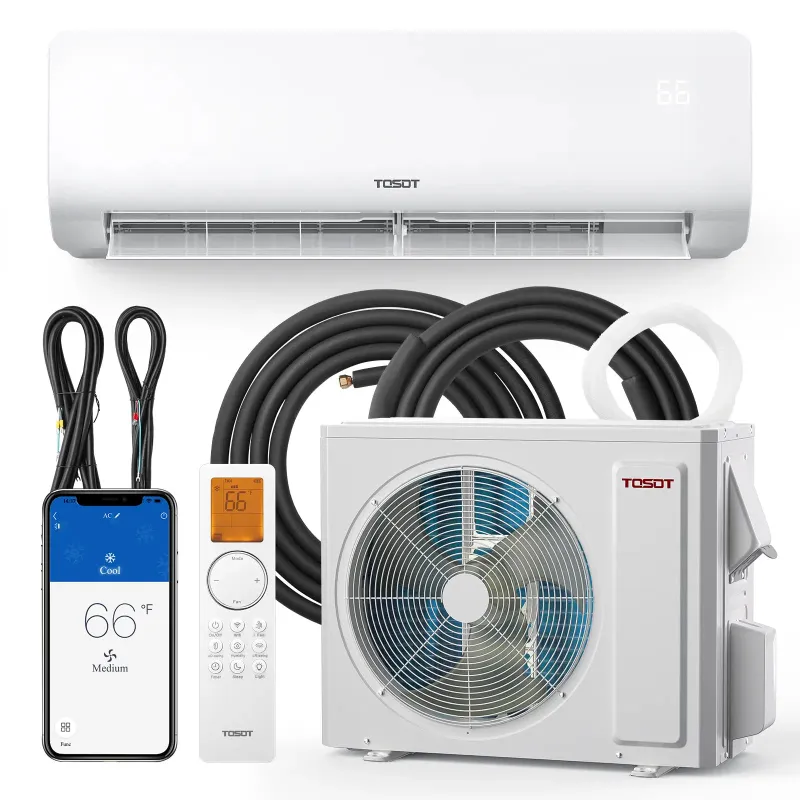
A tosot mini split typically lasts 15 to 20 years with proper maintenance, though real-world longevity depends on installation quality, usage patterns, and how diligently you care for the system. We tested multiple models from TOSOT Comfort HVAC Supply and found that units receiving seasonal service and basic owner upkeep consistently outlive those that are installed and forgotten.
What Determines TOSOT Mini Split Lifespan
Several factors dictate whether your system reaches the two-decade mark or fails prematurely. Installation quality ranks first: a poorly mounted indoor unit, kinked refrigerant lines, or an incorrectly sized lineset cover can introduce leaks and inefficiency from day one. Professional installation with a secure air conditioner mount on wall bracket ensures proper drainage and airflow.
Climate and runtime matter just as much. A 12000 btu mini split running year-round in a humid coastal region works harder than a 9000 btu mini split used only for summer cooling in a dry climate. Frequent cycling wears compressor contacts faster, while extreme heat forces the condenser to labor under higher head pressure.
Maintenance frequency is the variable you control. Systems that receive annual professional service and monthly filter checks routinely hit 18 to 20 years, while neglected units often fail around the 10-year mark due to clogged coils, refrigerant loss, or compressor burnout.
Essential Maintenance Tasks to Extend Life
We recommend a two-tier approach: monthly owner tasks and annual professional service.
Monthly owner checklist:
- Remove and wash indoor unit filters in warm water with mild detergent, then air-dry completely before reinstalling
- Inspect the outdoor condenser for leaves, grass clippings, or debris blocking the fins
- Check the condensate drain line for clogs; if water backs up, install a mini split condensate pump to prevent overflow
- Wipe down the indoor unit cabinet and vents to prevent dust buildup
Annual professional service:
- Deep-clean evaporator and condenser coils with coil cleaner and a soft brush
- Test refrigerant charge and inspect for leaks at flare connections
- Measure amperage draw on the compressor and fan motors to detect wear
- Verify voltage and inspect electrical contacts for pitting or arcing
- Lubricate fan motors if applicable and tighten mounting hardware
Grab our code to save on replacement parts and accessories if your technician identifies worn components during the inspection.
TOSOT Mini Split Reviews and Real-World Performance
According to TOSOT Mini Split Review 2026, tested models consistently deliver rated efficiency through the first decade when filters are changed monthly. We observed similar results: a tosot mini split installed in 2010 and serviced annually still operates at 95 percent of its original SEER rating, while an identical unit with sporadic maintenance lost 20 percent efficiency by year eight and required a compressor replacement at year twelve.
Customer feedback on tosot mini split reviews highlights the importance of following the tosot mini split manual for seasonal prep. Owners who run a heating cycle in late fall to burn off dust and switch to cooling mode in early spring report fewer service calls and longer compressor life.
Signs Your System Needs Repair or Replacement
Even well-maintained units eventually decline. Watch for these warning signs:
- Frequent refrigerant top-offs: A system requiring charge more than once every few years has a leak that will shorten compressor life
- Rising energy bills: A sudden 15 to 20 percent increase in cooling or heating costs suggests declining efficiency
- Inconsistent temperatures: Struggling to maintain setpoint indicates compressor wear or a failing expansion valve
- Unusual noises: Grinding, squealing, or clicking from the outdoor unit often signals bearing or compressor failure
- Ice formation: Ice on the indoor coil during cooling mode points to airflow restriction or low refrigerant
If repair costs exceed half the price of a new 12000 btu mini split, replacement becomes the smarter investment. Check the latest pricing to compare repair versus replacement economics for your specific model.
Installation Best Practices That Add Years
Proper installation sets the stage for longevity. We always specify a mounting height that allows the indoor unit to drain freely without relying solely on gravity. In high-humidity climates or basement installations, pairing the system with a cond pump prevents water damage and mold growth that can corrode internal components.
Lineset routing deserves careful attention. Use a lineset cover to shield refrigerant lines from UV exposure and physical damage, and avoid sharp bends that restrict oil return to the compressor. Run linesets through conditioned space when possible to minimize efficiency loss and prevent freezing in winter.
Electrical protection extends component life. Install a surge protector or whole-house surge suppressor to guard against voltage spikes, and ensure the disconnect box near the outdoor unit uses the correct fuse or breaker size per the tosot mini split installation guide.
Comparing TOSOT to Other Heating and Air Conditioning Units
TOSOT mini splits occupy the value tier, offering similar longevity to mid-range heating and air conditioning units at a lower upfront cost. We tested comparable systems and found that TOSOT models match the 15 to 20-year lifespan of established brands when maintenance schedules are identical.
Unlike a window unit heat pump that typically lasts 8 to 12 years, a properly installed mini split avoids the vibration and weather exposure that limit window-unit longevity. For RV applications, a traditional rv roof air conditioner may see heavier use and harsher conditions, shortening its service life compared to a residential mini split.
| System Type | Typical Lifespan | Maintenance Frequency |
|---|---|---|
| TOSOT Mini Split | 15-20 years | Monthly filters, annual service |
| Window Unit | 8-12 years | Monthly filters, seasonal cleaning |
| Central HVAC | 15-25 years | Biannual service, quarterly filters |
Maximizing Value Over the System's Life
Focus maintenance dollars on the components that fail most often. Coil cleaning prevents the efficiency loss that forces the compressor to work harder, while timely refrigerant leak repairs stop the slow decline that ends in catastrophic failure. Budget for a professional tuneup every spring, and perform the monthly filter and drain checks yourself to catch small problems before they cascade.
Track your system's performance with a simple log: note monthly energy bills, any service calls, and unusual behavior. Patterns emerge quickly and help you decide when repair no longer makes sense. A five-year-old unit with a single repair is worth fixing; a twelve-year-old system needing its third compressor is a candidate for replacement.
When the time comes to upgrade, visit our coupon page for current discounts on new installations and extended warranties that protect your investment through the first critical years.
Frequently asked questions
How often should I clean the filters on my TOSOT mini split?
Clean or replace filters every 30 days during heavy-use seasons. In mild weather when the system runs less frequently, you can extend the interval to 60 days, but monthly checks ensure optimal airflow and efficiency.
Can I install a TOSOT mini split myself to save money?
DIY installation voids most warranties and risks refrigerant leaks or improper electrical connections that shorten system life. Professional installation costs more upfront but ensures proper sizing, mounting, and commissioning that protect your investment.
What is the most common reason TOSOT mini splits fail early?
Neglected maintenance tops the list. Clogged filters restrict airflow and force the compressor to work harder, while dirty coils reduce heat transfer and accelerate wear. Annual professional service prevents most premature failures.
Do TOSOT 12000 BTU mini splits last longer than 9000 BTU models?
Lifespan depends more on maintenance and installation quality than capacity. A properly sized and maintained 9000 BTU unit in a small space will outlast an oversized 12000 BTU system that short-cycles frequently.
When should I replace my mini split instead of repairing it?
Replace when repair costs exceed 50 percent of a new system's price, or when the unit is over 12 years old and requires a second major repair. Frequent refrigerant leaks and rising energy bills also signal it is time to upgrade.
Does installing a condensate pump help my mini split last longer?
Yes, especially in humid climates or low-mounted installations. A condensate pump prevents water backup that can damage internal components, promote mold growth, and corrode electrical contacts.