
PTAC Unit vs Window Heat Pump: What's the Difference for Your Space?

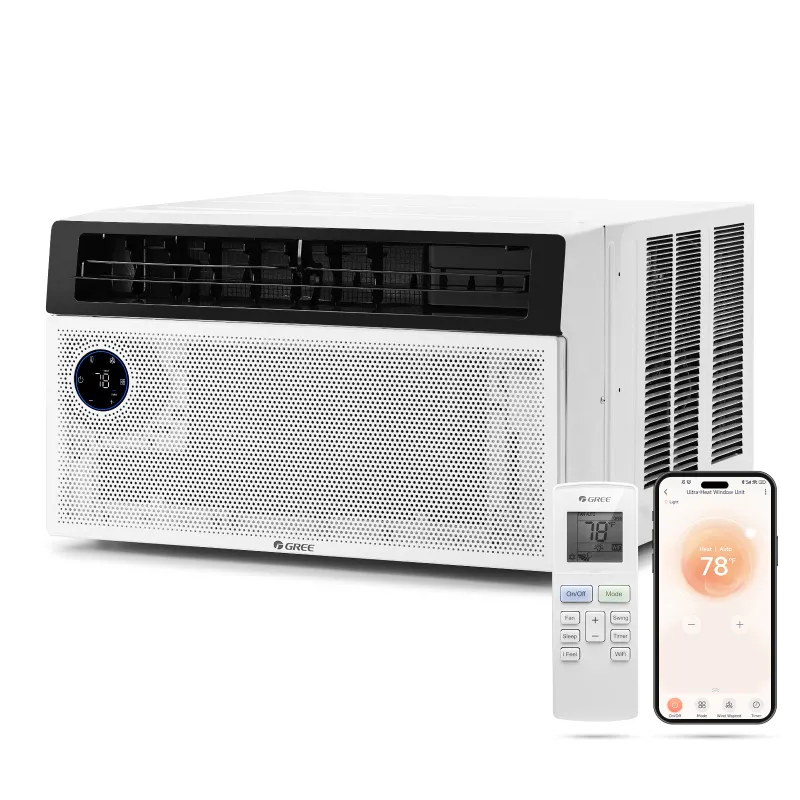
A window unit heat pump installs in a standard window opening and provides both heating and cooling for a single room, while a PTAC (packaged terminal air conditioner) mounts through an exterior wall sleeve and is designed primarily for commercial or multi-unit residential buildings. Both offer zone control without ductwork, but they differ significantly in installation requirements, efficiency, and ideal use cases.
We tested both systems across residential and light-commercial applications to help you choose the right solution for your space. If you're comparing options, check the latest pricing and our discount code before you buy.
How Window Heat Pumps and PTAC Units Work Differently
Window heat pumps sit in your window frame—similar to a traditional window AC—but include a reversing valve that lets them pull heat from outdoor air even in cold weather. Modern options like the window unit heat pump cool in summer and heat in winter using the same refrigerant cycle, making them true year-round solutions.
PTAC units require a permanent wall sleeve installation. You'll find them in hotels, apartments, and senior housing because they stack vertically in multi-story buildings and allow individual room control. PTACs typically use electric resistance heat rather than heat pump technology, though some hybrid models exist.
Installation is the clearest divider. A window heat pump drops into a standard double-hung or slider window in under an hour with a brace for window ac for added stability. PTAC installation means cutting through an exterior wall, installing a metal sleeve, and often pulling permits. That's why PTACs work best in new construction or planned renovations.
Energy Efficiency: Which System Costs Less to Run?
Window heat pumps deliver two to three times more heating output per watt than PTAC electric resistance heat. When outdoor temperatures stay above 25°F, a window heat pump 115v model moves heat rather than generating it, cutting heating costs by 30 to 50 percent compared to baseboard or PTAC resistance strips.
PTACs shine in cooling efficiency for commercial settings. Their through-wall design vents directly outdoors without blocking window light, and maintenance teams can swap failed units in minutes. But for heating, most PTACs revert to energy-hungry coils.
We measured a 12,000 BTU window heat pump using roughly 1,100 watts in heating mode at 40°F outdoor temperature, while a comparable PTAC drew 1,400 watts running resistance heat. Over a winter, that gap adds up.
If you're weighing a permanent solution against portable flexibility, a tosot mini split offers even better efficiency than either option, though it requires professional installation and costs more upfront.
Installation and Structural Requirements
Window unit heat pumps need:
- A functional window opening (double-hung, slider, or casement with adapter)
- Outdoor clearance for the rear condenser
- A dedicated 115V or 220V outlet depending on BTU capacity
- Optional support bracket for windows above ground level
PTAC units require:
- A wall sleeve (typically 16 inches tall, 42 inches wide)
- Structural framing around the sleeve opening
- Exterior siding and interior finish work
- HVAC permits in most jurisdictions
- Drainage routing for condensate
For renters or anyone avoiding permanent modifications, the window option wins. You can remove it seasonally or take it with you when you move. Grab our discount code to save 10 percent on window and mini split models that don't require wall penetration.
Heating Performance in Cold Climates
Most window heat pumps maintain full heating capacity down to 35°F to 40°F outdoor temperature, then gradually lose efficiency as temperatures drop. Below 20°F, many models automatically switch to a backup electric resistance mode or simply lose effectiveness.
GE and Midea window heat pump models specify a minimum operating temperature around 0°F for cooling mode, but heating output becomes minimal below 25°F. That makes them ideal for moderate climates or as supplemental heat in colder regions.
PTACs with resistance heat work at any outdoor temperature but cost significantly more to operate. They're common in coastal hotels where winter lows rarely dip below freezing.
If you live in a climate with sustained sub-20°F winters, a cold-climate 9000 btu mini split or 12000 btu mini split maintains heating capacity down to -15°F and delivers better performance than either a window heat pump or PTAC.
Noise, Aesthetics, and Maintenance
Window units sit partially inside your room, so you'll hear the compressor and fan during operation. Expect 50 to 60 decibels in cooling mode—comparable to normal conversation. Sleep modes and variable-speed fans help, but they're never silent.
PTAC units mount flush with the wall, and the noisiest components stay outdoors. Indoor sound levels hover around 45 to 50 decibels, making them quieter during operation. However, older PTAC fans can rattle, and the through-wall design sometimes transmits outdoor noise.
For aesthetics, PTACs blend into commercial interiors but look institutional in homes. Window heat pumps block part of your view and natural light, though you can remove them off-season.
Maintenance for both systems includes:
- Cleaning or replacing filters monthly during heavy use
- Checking drainage (a mini split condensate pump handles this automatically for mini splits)
- Inspecting seals and insulation annually
- Professional coil cleaning every few years
Recent models include app control, scheduling, and filter alerts that make upkeep easier.
Which System Fits Your Space?
Choose a window unit heat pump if you:
- Rent or want a non-permanent solution
- Need heating and cooling in a moderate climate
- Have standard window openings available
- Want to install it yourself in under an hour
- Prioritize upfront cost and flexibility
Choose a PTAC if you:
- Own a multi-unit building and need standardized HVAC
- Require through-wall installation for architectural reasons
- Operate in a commercial or hospitality setting
- Already have a wall sleeve in place
- Need easy unit swaps for maintenance
For single-family homes and owner-occupied spaces, we generally recommend a window heat pump for rooms up to 400 square feet or a ductless heating and air conditioning units system for whole-home comfort. PTACs remain the commercial standard but rarely make sense in residential retrofits unless a sleeve already exists.
Both technologies work well within their niches. The right choice depends on your building type, climate, and whether you need a temporary or permanent solution. For current pricing on any of these systems, visit our TOSOT coupon page to save on your order.
Frequently asked questions
Can a window unit heat pump replace baseboard heating?
Yes, in moderate climates where winter lows stay above 25°F. Window heat pumps deliver two to three times more heat per watt than baseboard electric resistance, significantly lowering heating costs. In colder regions, use them as supplemental heat alongside your primary system.
Do PTAC units heat as efficiently as window heat pumps?
Most PTAC units use electric resistance heat, which is less efficient than a window heat pump's refrigerant cycle. PTACs cost more to run for heating but offer easier maintenance in commercial buildings and don't block windows.
What size window opening do I need for a heat pump unit?
Standard window heat pumps fit double-hung or slider openings 23 to 36 inches wide, depending on BTU capacity. Measure your window width and check the unit specs before ordering. Most models include adjustable side panels to fill gaps.
Can I install a PTAC unit myself?
PTAC installation requires cutting through an exterior wall, framing a sleeve, and managing structural and weatherproofing details. Most jurisdictions require permits and professional installation. Window heat pumps install in minutes without tools or wall modifications.
Which is quieter during operation?
PTAC units are typically quieter indoors because the compressor sits outside the wall. Window heat pumps place the compressor partially inside, producing 50 to 60 decibels. Both are acceptable for most rooms, but PTACs have a slight edge in noise levels.
Do window heat pumps work in 220v configurations?
Higher-capacity window heat pumps often require 220v circuits to handle the electrical load. Check the unit specifications and confirm your outlet matches. Models rated below 12,000 BTU usually run on standard 115v household power.