
Do You Need a Condensate Pump for Your Mini Split System?

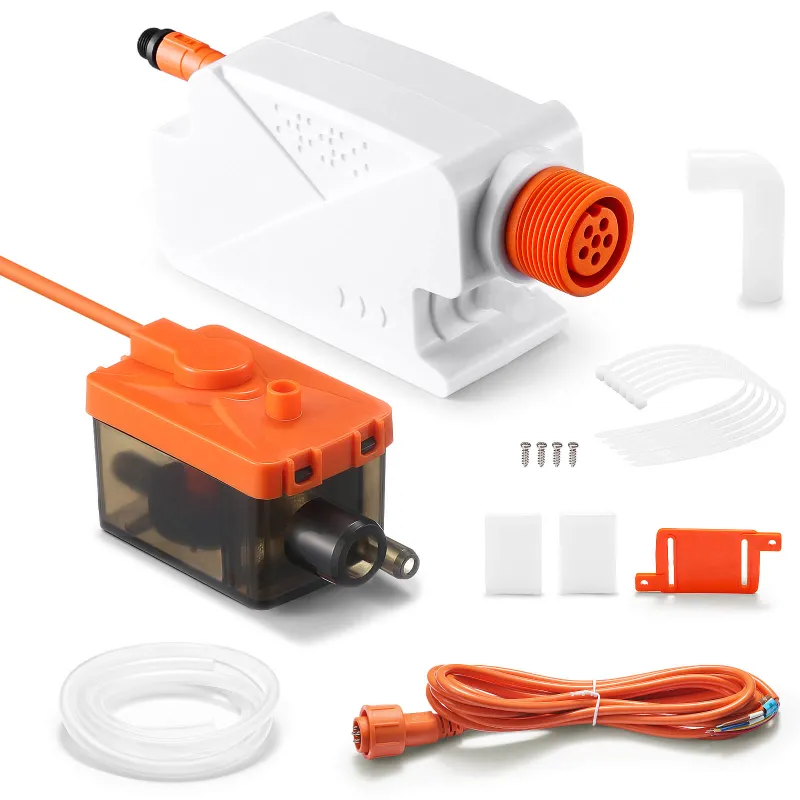
When Your Mini Split Needs a Condensate Pump
Not every mini split requires a mini split condensate pump, but understanding when you need one prevents water damage and keeps your system running smoothly. Your tosot mini split or 12000 btu mini split produces condensate as it cools, and that water must drain somewhere. If gravity can't do the job because your outdoor drain line sits higher than the indoor unit or you lack a floor drain nearby, a condensate pump becomes necessary.
Most ductless systems include a shallow drain pan beneath the evaporator coil. When the pan fills, water typically flows through tubing by gravity to the outdoors or a drain. But basements, upper floors, and interior walls often block this natural path, making a cond pump the only reliable solution.
How Mini Split Condensate Pumps Work
A condensate pump attaches directly to your indoor unit's drain outlet, collecting water in a small reservoir. When the reservoir reaches a set level, a float switch activates a pump motor that pushes the water upward through narrow tubing—often 15 to 20 feet vertically and farther horizontally. This mini split condensate pump installation lifts water to a sink, laundry drain, or exterior discharge point.
The pump cycles on and off automatically, requiring no manual intervention. Most models include:
- A 1/4-inch or 3/8-inch discharge barb for flexible tubing
- Built-in check valves to prevent backflow
- Safety shut-off switches that stop your mini split if the pump fails or reservoir overflows
- Quiet operation (under 45 decibels) so you won't hear it through walls
Undermount and wall-mount designs fit behind or beneath your air handler, keeping the pump hidden. Units like the Aspen mini split condensate pump and Little Giant models remain popular for reliability and compact size.
Signs You Need a Pump Instead of Gravity Drainage
Gravity drainage works when you can run tubing with a consistent downward slope—at least 1/4 inch per foot—from the indoor unit to a drain or outdoors. If any of these conditions apply, you'll need a pump:
- Your indoor unit sits below the nearest drain. Basements and ground-floor installations often face this issue.
- The drain line must travel upward. Even a short rise of a few inches requires mechanical lift.
- You're installing in an interior room. Bedrooms, hallways, and offices far from exterior walls can't rely on gravity alone.
- Local codes prohibit outdoor discharge. Some municipalities require condensate to enter the sanitary sewer, meaning an upward run to a sink or floor drain.
- Your 9000 btu mini split sits on an upper floor with no attic or crawlspace access for routing drain lines downward.
If water pools beneath your unit, drips from the air handler, or you notice musty odors, your existing gravity drain may be clogged or improperly sloped. Before adding a pump, check that the drain line is clear and pitched correctly.
Choosing the Right Condensate Pump
Not all pumps suit every mini split. Match the pump capacity to your system's condensate output and lift requirements.
| Feature | What to Look For | Why It Matters |
|---|---|---|
| Flow Rate | 1 to 3 gallons per hour | A 12000 btu mini split produces roughly 1 to 2 gallons per hour in humid conditions; oversizing ensures the pump keeps pace. |
| Max Lift Height | 15 to 20 feet | Verify the pump can lift water to your chosen drain point with margin to spare. |
| Reservoir Size | 10 to 20 ounces | Larger reservoirs reduce pump cycling and noise; smaller ones fit tighter spaces. |
| Safety Shutoff | Overflow switch included | Protects your mini split from running dry or leaking if the pump clogs. |
We recommend checking the latest pricing and our current code for compatible pumps before you buy. Brands like Diversitech and Little Giant offer models designed specifically for ductless systems, with quick-connect fittings that simplify installation.
Installing a Mini Split Condensate Pump
Mini split condensate pump installation takes less than an hour with basic tools. Follow these steps for a leak-free setup:
- Locate the drain outlet on your indoor unit's base or side. Remove the factory plug or cap.
- Attach the pump inlet using the provided barbed fitting or threaded adapter. Secure with a hose clamp if the connection is compression-style.
- Mount the pump to the wall or floor near the air handler, ensuring the reservoir sits level. Some pumps include brackets; others rest on the floor.
- Run discharge tubing from the pump outlet to your drain point. Use 1/4-inch or 3/8-inch vinyl tubing, securing it with clips every 2 to 3 feet to prevent sagging.
- Plug in the pump to a nearby outlet. Most units draw under 20 watts and work on standard 120V power.
- Test the system by pouring water into the pump reservoir until the float switch activates. Verify water flows to the drain without leaks.
For a complete walkthrough, this guide covers pump selection and wiring details. If your system requires a safety shutoff connection to the air handler, consult your mini split's wiring diagram or hire a technician to integrate the pump's float switch with the unit's control board.
Maintaining Your Condensate Pump
Even the best mini split condensate pump requires occasional cleaning. Algae, mold, and mineral deposits build up in the reservoir and discharge line, reducing flow and clogging the pump.
- Every 3 months: Pour a cup of white vinegar or condensate pan treatment into the reservoir to kill algae and dissolve buildup.
- Every 6 months: Disconnect the pump, empty the reservoir, and rinse it with warm water. Inspect the discharge tubing for kinks or blockages.
- Before cooling season: Test the pump by adding water and confirming it cycles on. Replace the tubing if it's brittle or cracked.
If the pump runs continuously, makes grinding noises, or fails to activate, the float switch or motor may need replacement. Most pumps are inexpensive enough that replacing the entire unit costs less than repair parts and labor.
Alternatives and When to Skip the Pump
Gravity drainage remains the simplest, quietest, and most energy-efficient option. If you can route tubing downward to a floor drain, sump pit, or outdoors, skip the pump and use flexible PVC or vinyl drain line instead. Pair your drain line with a lineset cover to hide tubing runs along exterior walls, keeping the installation tidy.
Wall-mounted systems benefit from air conditioner mount on wall brackets that position the unit high enough for gravity drainage to work. Even raising the indoor unit by 6 to 12 inches can eliminate the need for a pump in some layouts.
For new installations, plan drain routing before mounting the air handler. If you're adding a heating and air conditioning unit or upgrading to a ductless system, work with your installer to prioritize gravity drainage whenever possible. When that's not an option, budget for a quality condensate pump and factor in the $30 to $80 cost when comparing system quotes.
Ready to solve your drainage challenge? Grab our code for 10% off pumps, mini splits, and installation accessories at TOSOT Direct.
Frequently asked questions
Can I install a condensate pump myself for a mini split?
Yes, most homeowners can install a mini split condensate pump with basic tools in under an hour. You'll connect the pump to your unit's drain outlet, run discharge tubing to a drain, and plug it in. If your system requires a safety shutoff wire connection, hire a technician to integrate the pump's float switch with the air handler's control board.
How much condensate does a 12000 BTU mini split produce?
A 12000 BTU mini split typically produces 1 to 2 gallons of condensate per hour in humid conditions, though output varies with indoor humidity and runtime. Choose a pump rated for at least 2 to 3 gallons per hour to handle peak loads without overflow.
What happens if my condensate pump fails?
Most condensate pumps include a safety float switch that shuts off your mini split if the reservoir overflows or the pump clogs. This prevents water damage but stops cooling until you clear the blockage or replace the pump. Regular cleaning every few months reduces failure risk.
Do all mini splits need a condensate pump?
No, many mini splits drain by gravity when the indoor unit sits above a floor drain or the drain line can slope downward to the outdoors. You only need a pump when the drain point sits higher than the air handler or gravity drainage isn't possible due to layout or code requirements.
How far can a mini split condensate pump lift water?
Most mini split condensate pumps lift water 15 to 20 feet vertically and can push it 50 feet or more horizontally, depending on the model. Check the pump's specifications to ensure it meets your installation's lift and distance requirements with a safety margin.
How often should I clean my condensate pump?
Clean your condensate pump every 3 months by adding vinegar or condensate treatment to kill algae, and perform a full reservoir rinse every 6 months. Test the pump before cooling season starts to confirm it cycles on and drains properly.