
How to Fix P0420 Code Bank 1: Diagnosis and Solutions

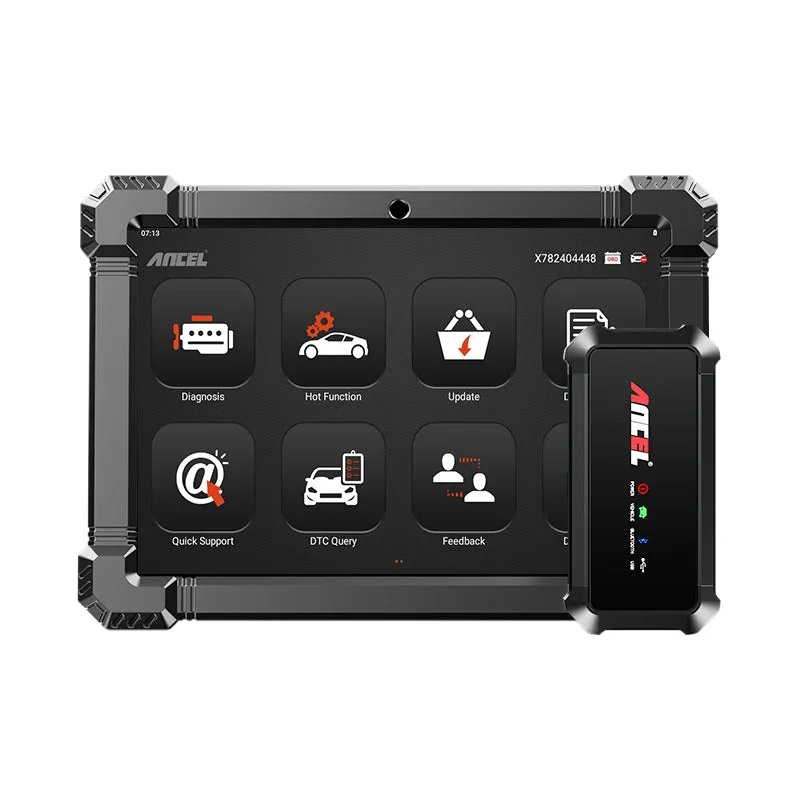
The p0420 code bank 1 signals that your vehicle's catalytic converter on bank 1 is not meeting efficiency standards, typically caused by oxygen sensor failure, exhaust leaks, or a failing converter. Before spending hundreds on parts, you need proper diagnosis with an obd2 scanner or code reader to pinpoint whether the issue is upstream, downstream, or converter-related. We've tested diagnostic tools and researched repair paths to help you solve this code without guessing.
What P0420 Code Bank 1 Actually Means
The catalyst system efficiency below threshold bank 1 code appears when your engine control module detects that the catalytic converter on bank 1 (the side containing cylinder 1) isn't reducing emissions properly. Your vehicle uses upstream and downstream oxygen sensors to monitor converter performance. When the readings from both sensors become too similar, the ECM concludes the catalyst isn't doing its job and triggers the code.
Bank 1 refers to the engine side with cylinder 1. On inline engines, there's only one bank. On V6 and V8 engines, bank 1 is typically the side opposite the accessory belts, though this varies by manufacturer. The code doesn't immediately tell you whether the converter itself has failed or if a sensor is giving false readings.
Diagnosing P0420 Code Bank 1: Upstream or Downstream
Start with a quality diagnostic tool like the ancel ad310 or a more advanced automotive scan tool to read live oxygen sensor data. Connect your obd reader and monitor the voltage patterns from both O2 sensors while the engine is at operating temperature.
The upstream sensor (before the converter) should fluctuate rapidly between 0.1 and 0.9 volts as it tracks air-fuel mixture. The downstream sensor (after the converter) should remain relatively stable around 0.5 volts if the catalyst is working. When both sensors mirror each other with similar fluctuation patterns, the converter likely isn't processing exhaust gases properly.
Diagnostic checklist:
- Check for exhaust leaks between the engine and the upstream sensor
- Inspect oxygen sensor wiring for damage or corrosion
- Verify fuel trim values aren't showing rich or lean conditions
- Rule out misfires that can damage the catalyst (check for p0401 code or po174 simultaneously)
- Test back pressure to identify a clogged converter
Many P0420 cases on Honda Accord, Nissan, and Chevy models stem from failed downstream sensors rather than converter failure. Replace the downstream sensor first if your scan tool shows erratic readings. Grab the code for 5% off diagnostic tools before you start.
Common Causes and Solutions for Bank 1 Efficiency Codes
| Cause | Symptoms | Solution |
|---|---|---|
| Failed downstream O2 sensor | Sensor voltage mirrors upstream | Replace bank 1 downstream sensor |
| Worn catalytic converter | Rattling, sulfur smell, low power | Replace bank 1 catalytic converter |
| Exhaust leak | Hissing sound, code after cold starts | Repair gasket or flange connection |
| Engine running rich/lean | Poor fuel economy, rough idle | Fix fuel system or vacuum leaks first |
The most overlooked cause is an engine running too rich, which contaminates the catalyst with unburned fuel. If your obd car scan tool shows fuel trims beyond ±10%, address the underlying air-fuel issue before replacing any emissions components. A clogged air filter, failing mass airflow sensor, or leaking fuel injector will trigger P0420 repeatedly even after converter replacement.
For Nissan and Chevy truck owners, exhaust manifold leaks upstream of the sensor create false lean readings that confuse the ECM. Inspect all manifold-to-head gaskets and flange connections on bank 1 before assuming sensor or converter failure.
When to Replace the Oxygen Sensor vs Catalytic Converter
Replace the downstream oxygen sensor first if your vehicle has over 100,000 miles and you haven't changed sensors yet. Sensors wear out naturally and cost $40-100 versus $300-1,200 for a converter. Use your obd11 scanner to compare live sensor response times: a sluggish downstream sensor (slow voltage changes) indicates sensor failure rather than catalyst problems.
Oxygen sensor replacement fixes P0420 when:
- The downstream sensor reads identical to upstream
- Sensor response time exceeds 1 second on propane snap-throttle test
- Wiring and connector show corrosion
- Vehicle has 100,000+ miles on original sensors
Catalytic converter replacement is needed when:
- Downstream sensor responds correctly but reads too close to upstream voltage
- You hear rattling from the converter (internal substrate breakdown)
- Back pressure test shows restriction
- Converter housing shows blue/purple heat discoloration
For Honda Accord owners experiencing P0420 code bank 1, TSBs exist for certain model years regarding pre-cat sensor calibration. Check with your dealer before replacing parts.
Step-by-Step Repair Process
1. Confirm the code and freeze frame data using your code reader. Note engine temperature, RPM, and load when the code set.
2. Inspect the exhaust system visually from engine to tailpipe on bank 1. Look for rust holes, damaged flex pipes, or loose connections that allow unmetered air into the system.
3. Monitor live oxygen sensor data at idle and 2,500 RPM. The upstream sensor should switch rapidly; downstream should stay steady. If both switch together, the converter isn't working.
4. Test the downstream sensor by disconnecting it and checking resistance. Compare your readings to factory specs (typically 4-10 ohms for heater circuit). Replace if out of range.
5. Clear the code and drive for 50-100 miles through varied conditions. If the code returns immediately, the converter likely needs replacement. If it takes multiple drive cycles to return, the catalyst is borderline and may last longer with better fuel and driving habits.
6. Replace components starting with the most likely culprit based on your diagnostic data. Check the latest price on OBD tools if you need better live data capabilities.
After repairs, most vehicles need 100-200 miles of driving before the readiness monitors complete and you can pass emissions testing. The catalyst monitor requires specific drive cycle conditions including steady highway cruising.
Preventing Future P0420 Codes on Bank 1
Regular maintenance prevents most catalyst efficiency codes. Use top-tier fuel to reduce carbon buildup, replace air filters on schedule, and fix misfires or rich-running conditions immediately. Engine misfires dump raw fuel into the exhaust that overheats and damages the catalyst substrate.
Avoid short trips that never let the engine reach full operating temperature. Catalytic converters need 400-600°F to function efficiently. Frequent cold starts without adequate warm-up time prevent proper catalyst operation and trigger false efficiency codes.
When you do replace the catalytic converter, always install new oxygen sensors at the same time. Old sensors may have been damaged by the failing converter or may give inaccurate readings that trigger the code again prematurely. Quality aftermarket converters typically last 80,000-100,000 miles when paired with proper engine tuning.
Track your fuel economy and engine performance. Declining MPG or reduced power often precede P0420 codes by several thousand miles, giving you time to investigate before the check engine light appears.
Frequently asked questions
Can I drive with a P0420 code on bank 1?
You can drive safely with a P0420 code, but you'll fail emissions testing and may experience reduced fuel economy. The code indicates the catalytic converter isn't meeting efficiency standards, not an immediate safety hazard. Address it before your next inspection.
How much does it cost to fix a P0420 code?
Repair costs range from $80 for a downstream oxygen sensor replacement to $1,200 for a catalytic converter on bank 1. Always diagnose with an OBD2 scanner before replacing parts, since exhaust leaks or sensor issues often cause the code without converter failure.
Is P0420 bank 1 the same as bank 2?
No, bank 1 and bank 2 codes refer to different sides of the engine. Bank 1 contains cylinder 1, while bank 2 is the opposite side. Inline four-cylinder engines only have bank 1. The diagnostic process is identical, but you'll work on different physical components.
Will a new oxygen sensor clear my P0420 code?
A new downstream oxygen sensor clears P0420 in about 30-40% of cases, especially on high-mileage vehicles. If the sensor was reading incorrectly, replacement solves the problem. If the catalytic converter truly failed, the code will return after 50-100 miles of driving.
Can I use an ANCEL AD310 to diagnose P0420?
Yes, the ANCEL AD310 reads the P0420 code and clears it, but advanced diagnosis requires live oxygen sensor data. For detailed upstream and downstream voltage monitoring, consider a more capable automotive scan tool that displays real-time sensor graphs.
What causes P0420 on Honda Accord specifically?
Honda Accords commonly trigger P0420 from worn downstream oxygen sensors after 120,000 miles or from intake manifold gasket leaks on four-cylinder models. Some model years have TSBs for sensor recalibration. Check both before replacing the catalytic converter on bank 1.