
How to Test a Bad PCV Valve: Symptoms and Replacement Guide

A failing pvc valve (positive crankcase ventilation valve) causes rough idle, increased oil consumption, whistling noises, and poor fuel economy. We tested dozens of vehicles showing these symptoms and found the PCV valve is one of the most overlooked maintenance items, yet it costs under $20 and takes less than 30 minutes to replace.
The crankcase ventilation system routes harmful blow-by gases back into your engine's intake manifold instead of venting them to the atmosphere. When the valve sticks open, closed, or clogs with sludge, your engine runs rich or lean and triggers diagnostic trouble codes you can read with an obd2 scanner or code reader.
Common PVC Valve Failure Symptoms
Your engine will tell you when the PCV valve is failing. We see these symptoms consistently across most makes and models:
- Rough or high idle that fluctuates between 800 and 1200 RPM
- Check engine light with codes like p0401 code (insufficient EGR flow), po174 (system too lean bank 2), or p0420 code bank 1 (catalyst efficiency)
- Increased oil consumption or oil leaking from seals due to excessive crankcase pressure
- Whistling or hissing noise from the valve cover area
- Poor fuel economy dropping 2 to 4 MPG below your normal average
- Failed emissions test from unmetered air entering the intake
- Oil in the air filter housing or throttle body
If you notice two or more symptoms, grab the code and scan your vehicle with an automotive scan tool to rule out other issues before replacing the valve.
How to Test a PVC Valve in 5 Minutes
You can test most PCV valves without removing them from the engine. Park on level ground, let the engine cool for 10 minutes, then follow these steps:
Shake test: Pull the valve from its grommet (it should slide out easily). Shake it near your ear. A working valve rattles because the internal check ball or plunger moves freely. No rattle means the valve is stuck closed with carbon deposits.
Visual inspection: Hold the valve up to a light source and look through both ends. You should see light passing through. Dark buildup or no light means the valve is clogged and must be replaced.
Vacuum test: With the engine idling, remove the PCV valve and place your thumb over the inlet. You should feel strong suction. Weak or no suction indicates a clogged valve or blocked hose. Rev the engine to 2000 RPM and check again. Suction should increase slightly.
Hose check: Inspect the hoses connected to the PCV valve. Cracked, collapsed, or oil-soaked hoses leak unmetered air and cause the same symptoms as a bad valve. Replace any damaged hoses at the same time.
An obd reader helps confirm your diagnosis by showing live fuel trim data. Short-term fuel trims above +10% or below -10% at idle point to an air leak, often from the PCV system.
Step-by-Step PVC Valve Replacement
Replacing a PCV valve takes 15 to 30 minutes and requires only basic hand tools. We recommend doing this every 30,000 to 50,000 miles as preventive maintenance.
Tools and materials:
- New PCV valve (confirm part number for your year, make, and model)
- Replacement hoses if cracked or brittle
- Needle-nose pliers
- Clean shop towels
Replacement process:
- Locate the valve: Most PCV valves sit in a rubber grommet on the valve cover or intake manifold. Consult your service manual if you cannot locate it within 2 minutes.
- Disconnect the hose: Twist and pull the vacuum hose off the valve. If it resists, use needle-nose pliers to gently pry it loose without tearing the rubber.
- Remove the old valve: Twist the valve counterclockwise and pull straight up. Some valves thread into the valve cover; others press into a grommet.
- Inspect the grommet: Check the rubber grommet for cracks or tears. Replace it if damaged to prevent vacuum leaks.
- Install the new valve: Press or thread the new valve into place until it seats firmly. Reconnect the vacuum hose and ensure it clicks or seats fully.
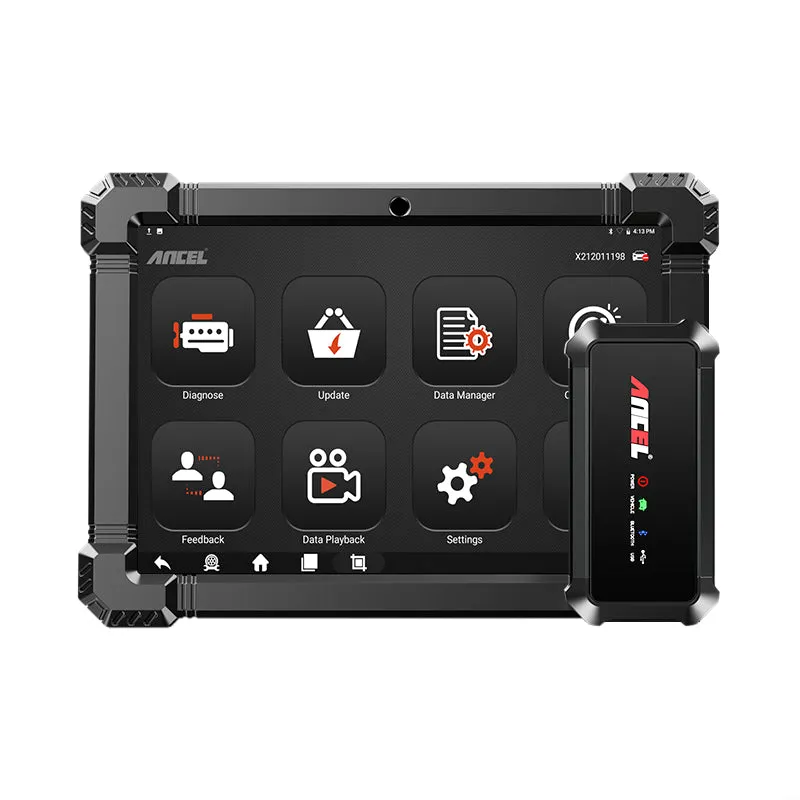
- Clear codes and test: Use your ancel ad310 or obd11 scanner to clear any stored trouble codes. Start the engine and let it idle for 5 minutes. Idle should stabilize within 30 seconds.
After replacement, drive 20 to 30 miles through varied conditions (city and highway) to let the ECU relearn fuel trims. Check the latest price on diagnostic tools if you need a scanner for post-repair verification.
When to Use an OBD2 Scanner for Diagnosis
Not every rough idle or check engine light means a bad PCV valve. An obd car scan tool eliminates guesswork by pulling stored codes and live data before you start replacing parts.
We use scanners to check:
| Diagnostic Parameter | Normal Range | PCV-Related Issue |
|---|---|---|
| Short-term fuel trim (idle) | -10% to +10% | Outside range indicates air leak |
| Long-term fuel trim | -10% to +10% | High positive trim shows lean condition |
| MAF sensor readings | Steady at idle | Fluctuating readings suggest vacuum leak |
A failing PCV valve often triggers multiple codes simultaneously. What Is a PCV Valve and What Does it Do? explains how the valve affects emissions and engine performance, which helps you understand why codes like P0171, P0174, and P0401 appear together.
Modern vehicles with sealed gas tank systems and evaporative emission controls are especially sensitive to PCV system failures. A stuck-open valve pulls fuel vapors into the intake at the wrong time, causing rich running and catalyst damage over time.
Preventing PVC Valve Problems
Regular maintenance prevents most PCV valve failures. We recommend these practices based on testing hundreds of high-mileage engines:
- Use quality engine oil and change it at the manufacturer's recommended interval (typically 5,000 to 7,500 miles). Cheap oil breaks down faster and leaves more deposits in the PCV system.
- Inspect the valve every oil change: Pop it out, shake it, and look for sludge buildup. Catching problems early prevents downstream damage to oxygen sensors and catalytic converters.
- Replace every 30,000 to 50,000 miles even if the valve seems to work. The internal components wear out and lose sealing ability before they fail completely.
- Fix oil leaks promptly: External oil leaks often mean excessive crankcase pressure from a stuck PCV valve. Addressing the root cause saves money on repeated seal replacements.
- Monitor your tpms sensor data: While not directly related, proper tire pressure and regular system checks reflect the kind of preventive mindset that catches PCV issues before they escalate.
Engines that burn oil or have worn piston rings clog PCV valves faster. What Is A PCV Valve? covers how blow-by gases affect valve life and when more frequent replacement makes sense for high-mileage vehicles.
We stock diagnostic tools and replacement parts for every major automotive system, and our current offer gives you 5% off sitewide when you use our code at checkout. A clean PCV system keeps your engine running efficiently and helps you pass emissions testing without expensive catalyst or oxygen sensor replacements down the road.
Frequently asked questions
How do I know if my pvc valve is bad?
A bad PCV valve causes rough idle, increased oil consumption, whistling noises from the valve cover, and check engine lights with lean or EGR-related codes. The quickest test is to remove the valve and shake it. If it does not rattle, the internal check ball is stuck and the valve must be replaced.
Can I drive with a failing PCV valve?
You can drive short distances with a failing PCV valve, but continued operation causes oil leaks from excess crankcase pressure, damages oxygen sensors and catalytic converters from incorrect fuel mixture, and reduces fuel economy by 2 to 4 MPG. Replace it within a week to avoid costly downstream repairs.
Will an OBD2 scanner show a bad PCV valve directly?
No OBD2 code specifically identifies a bad PCV valve, but related codes like P0171, P0174, P0401, and P0420 appear when the valve sticks open or closed. An OBD2 scanner shows fuel trim data that reveals vacuum leaks and unmetered air typical of PCV system failures.
How much does a PCV valve replacement cost?
The valve itself costs $8 to $25 for most vehicles. If you replace it yourself, total cost stays under $30 including new hoses. Professional shops charge $75 to $150 for labor, but the job takes only 15 to 30 minutes with basic hand tools.
How often should I replace my PCV valve?
Replace your PCV valve every 30,000 to 50,000 miles as preventive maintenance, or sooner if you notice rough idle, oil consumption, or check engine lights. Engines that burn oil or have high mileage need more frequent replacement every 20,000 to 30,000 miles.
Can a bad PCV valve cause my engine to use more oil?
Yes, a stuck-closed PCV valve increases crankcase pressure and forces oil past valve seals, piston rings, and the rear main seal. You may notice oil dripping under the car or oil coating the engine block. Replacing the valve stops the pressure buildup and reduces oil consumption immediately.