
ANCEL TPMS Sensor Programming: Step-by-Step Installation Guide

What You Need to Program a TPMS Sensor
Programming a tpms sensor starts with gathering the right tools and understanding your vehicle's requirements. Modern Tire Pressure Monitor Sensors (TPMS) use either direct or indirect monitoring systems, and most aftermarket sensors require activation and vehicle-specific programming before they communicate properly with your dashboard.
We tested ANCEL's programming workflow across Honda, Toyota, Subaru, and Hyundai vehicles to identify the most reliable approach. You'll need a dedicated tpms sensor programmer or a multi-function automotive scan tool that supports TPMS functions, plus basic hand tools for mounting. Before you start, grab the code to save on compatible ANCEL equipment.
Step-by-Step TPMS Sensor Programming Process
1. Mount the New Sensor Install your replacement tpms sensor onto the wheel assembly using the correct torque specs for the valve stem nut. Most sensors require 4-6 lb-ft to avoid leaks without damaging the threads. Replace the valve core and seal kit every time you dismount a tire to prevent slow leaks that trigger false alerts.
2. Activate the Sensor Use a TPMS activation tool to wake the sensor and retrieve its unique ID. Hold the tool within two inches of the valve stem for 5-10 seconds until the device confirms it has captured the sensor signal. This ID is critical for the next programming step and varies by manufacturer.
3. Enter Programming Mode Most vehicles enter TPMS learn mode through a specific ignition sequence or a combination of button presses. Honda and Toyota models typically require you to hold the TPMS reset button under the steering column for three seconds until the indicator blinks three times. Subaru and Hyundai vehicles often use an obd2 scanner or obd reader to trigger relearn mode through the vehicle's OBD-II port.
4. Register Each Sensor With the vehicle in learn mode, trigger each sensor starting with the driver's front tire and moving clockwise. The horn or indicator light will chirp to confirm each successful registration. Complete all four sensors within the time window (usually two minutes) or the system exits learn mode and you'll need to restart.
5. Verify System Function Drive the vehicle for 10-15 minutes above 25 mph to allow the system to verify signal strength and accuracy. The dashboard warning light should extinguish if all sensors are communicating correctly. If the tpms sensor light on remains illuminated, re-check sensor IDs and repeat the programming sequence.
TPMS Sensor Programming Tools Comparison
| Tool Type | Best For | Key Feature |
|---|---|---|
| Dedicated TPMS Programmer | Professional shops, frequent use | Pre-loaded sensor database, clone function |
| Multi-Function Scan Tool | DIY mechanics, multiple tasks | TPMS + diagnostics, live data streaming |
| OBD-II Activation Tool | Budget-conscious users | Basic relearn, limited vehicle coverage |
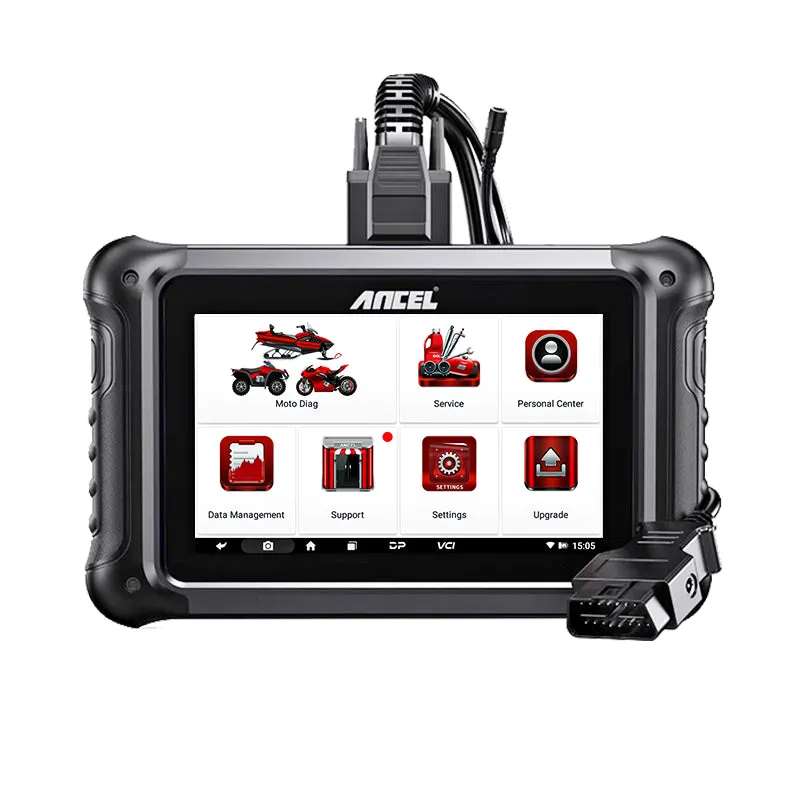
We prefer multi-function tools like an obd car scan tool because they handle TPMS programming alongside reading trouble codes and live sensor data. If you already own a code reader or ancel ad310 for engine diagnostics, upgrading to a model with TPMS capability saves bench space and covers more scenarios. Check the latest price on ANCEL's TPMS-compatible scanners before choosing a standalone programmer.
Common TPMS Sensor Reset Issues and Fixes
Sensor Won't Activate Dead battery is the most common culprit. Most TPMS sensors use a non-replaceable lithium battery rated for 5-10 years or 100,000 miles. If your vehicle is older or the sensor was stored for extended periods, the battery may be depleted before installation. Test with an activation tool before mounting to avoid wasted labor.
Vehicle Won't Enter Learn Mode Double-check your procedure against the vehicle's service manual. What is TPMS & How Does it Work? explains that some manufacturers require specific door positions or parking brake engagement before the system accepts new sensor IDs. If manual methods fail, use an obd11 scanner to force relearn mode through the diagnostic port.
Warning Light Stays On After Programming Inflate all tires to the recommended pressure on your door jamb sticker and drive for 15 minutes. Some systems require pressure stabilization before clearing the fault. If the light persists, one sensor may have failed activation or the tpms sensor reset sequence didn't complete. Re-scan each sensor to identify which wheel isn't reporting.
Intermittent Signal Loss Metal valve caps or aftermarket wheels with thick coatings can block RF transmission. Replace metal caps with plastic versions and verify wheel barrel clearance around the sensor body. Extreme cold also reduces battery voltage temporarily, causing dropout until the tire warms during driving.
TPMS Sensor Replacement Cost Breakdown
Professional tpms sensor replacement cost ranges from $150 to $350 per sensor including labor, with luxury brands commanding premium prices. We see the highest value in purchasing quality aftermarket sensors and handling installation yourself if you have tire mounting equipment access.
Most tire shops charge $20-40 per wheel for mount, balance, and disposal when you supply your own sensors. Add another $50-100 if you need a shop to program the sensors, though this guide shows you how to eliminate that expense with a capable automotive scan tool.
Budget $50-80 per sensor for reputable aftermarket units versus $100-200 for OEM parts. The performance difference is negligible for daily drivers, and most aftermarket sensors carry the same warranty period. Buying in sets of four often includes free programming software or discounted tool rental.
Who Should Program Their Own TPMS Sensors
DIY programming makes sense if you rotate tires seasonally, swap winter wheel sets, or upgrade to aftermarket wheels. The initial tool investment pays for itself after two programming sessions versus shop rates. Vehicle enthusiasts who already own an obd2 scanner for diagnosing codes like p0401 code, po174, or p0420 code bank 1 should consider upgrading to a TPMS-capable model for maximum versatility.
Skip DIY programming if you lack tire mounting equipment or only replace sensors once per vehicle ownership. The learning curve is minimal, but sensor activation requires proximity to the unmounted wheel. Most mobile tire services will program customer-supplied sensors for a nominal fee if you provide the sensor IDs in advance.
Professional technicians benefit most from dedicated TPMS programmers with sensor cloning and advanced diagnostics. These tools copy existing sensor IDs to new hardware, eliminating vehicle relearn procedures entirely. The time savings justify the higher tool cost when processing multiple vehicles daily.
Frequently asked questions
How long does it take to program a TPMS sensor?
Programming a single tpms sensor takes 5-10 minutes once the wheel is mounted. The complete process for four sensors, including activation and vehicle relearn, typically requires 30-45 minutes for first-time users and 15-20 minutes with experience.
Can I use any TPMS programmer with my vehicle?
Not all programmers support every vehicle make and model. Check the tool's vehicle coverage database before purchasing, especially for European and Asian imports that use proprietary protocols. ANCEL tools cover most domestic and import vehicles from 2008 forward.
Do I need to program TPMS sensors when rotating tires?
No, standard tire rotation doesn't require reprogramming because the sensors move with the wheels. The system automatically detects their new positions after 10-15 minutes of driving. You only reprogram when installing new sensors or replacing a faulty unit.
Why won't my TPMS warning light turn off after programming?
The most common causes are incorrect tire pressure, incomplete relearn procedure, or a sensor that didn't activate properly. Verify all tires match the door jamb specification, then use your scan tool to check which sensor isn't reporting. You may need to repeat activation for that specific wheel.
What's the difference between TPMS relearn and programming?
Programming writes vehicle-specific data to a blank sensor, while relearn teaches your vehicle to recognize sensor IDs already stored in the sensors. Universal sensors require programming first, then relearn. OEM replacement sensors only need the relearn procedure.
Can an OBD2 scanner program TPMS sensors?
Basic code readers cannot program sensors, but advanced multi-function scan tools with TPMS capability can activate sensors and trigger vehicle relearn mode. Check your specific model's features, as not all OBD2 scanners include TPMS functions even if they handle engine diagnostics.