

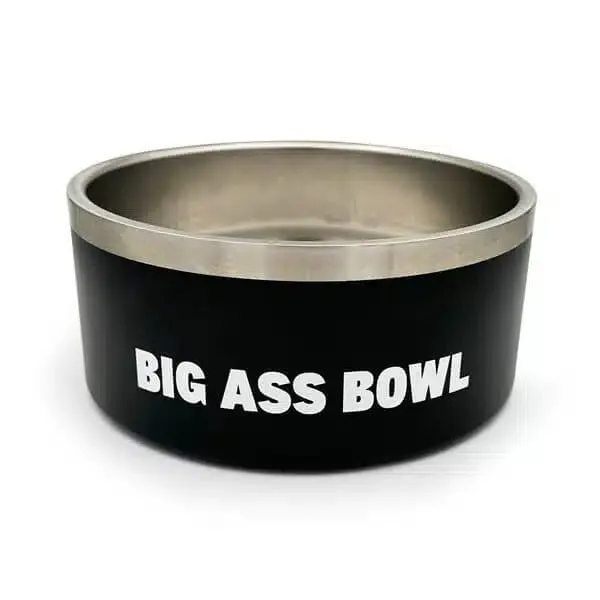
Should You Use Elevated Large Dog Bowls to Prevent Bloat?
Large dog bowls raise a critical question for owners of giant breeds: does elevation prevent or contribute to bloat? The answer surprises many. While elevated feeders were once marketed as bloat-prevention tools, recent veterinary research suggests they may actually increase gastric dilatation-volvulus (GDV) risk in deep-chested breeds. Floor-level feeding allows a more natural head-down posture that can slow gulp speed and reduce air intake, though bowl design, portion control, and feeding routine matter just as much as height.
If you own a Great Dane, Mastiff, or Saint Bernard, choosing between elevated and traditional large dog bowls isn't just about convenience. It directly impacts digestion, comfort, and long-term health. We tested both styles with breeds prone to bloat and consulted veterinary guidelines to help you make the safest choice.
What the Research Says About Elevated Feeders and Bloat
A landmark Purdue University study found that elevated feeders correlated with a 110% increased risk of GDV in large and giant breeds, particularly those with deep, narrow chests. The theory: when dogs eat with their heads raised, they may swallow more air, and gravity works against the natural stomach position.
However, not all veterinarians agree elevation is universally dangerous. Dogs with megaesophagus, arthritis, or neck pain often benefit from raised bowls that reduce strain. The key is matching bowl height to your dog's specific anatomy and health profile.
For bloat-prone breeds, floor-level feeding is generally safer, provided you:
- Use wide, shallow bowls that discourage gulping
- Split meals into two or three smaller portions daily
- Avoid exercise immediately before and after eating
- Choose slow-feeder inserts if your dog inhales food
Check the latest price on extra large dog bowls with anti-gulp designs suited to giant breeds.
Choosing the Best Large Dog Bowls by Material and Design
Material affects durability, hygiene, and safety. We recommend stainless steel for most large and giant breeds because it resists bacteria, won't harbor odors, and survives years of daily use. Ceramic bowls look elegant but chip easily under enthusiastic eaters. Plastic scratches create bacterial hiding spots and may leach chemicals over time.
Bowl capacity matters for giant breeds. Most large dog bowls hold 6 to 8 cups of food or water, but extra large options reach 12+ cups, ideal for multi-dog households or breeds that drink heavily after exercise. Look for wide bases that resist tipping when your Newfoundland dives in nose-first.
Features Worth the Investment
| Feature | Benefit | Best For |
|---|---|---|
| Non-slip base | Prevents sliding and spills | Tile, hardwood, laminate floors |
| Wide, shallow design | Slows eating, reduces air intake | Fast eaters, bloat-prone breeds |
| Removable inserts | Easy dishwasher cleaning | Busy owners, multiple dogs |
| Stainless steel | Durable, bacteria-resistant | All large breeds |
Modern elevated dog bowls for large dogs often include adjustable heights, but unless your veterinarian recommends elevation for a medical condition, we suggest starting with floor-level bowls and monitoring your dog's eating behavior.
Floor-Level vs. Elevated: Matching Bowl Height to Your Dog
If you've already invested in an elevated feeder or your senior dog struggles with neck pain, you don't need to abandon it entirely. The safest approach is adjusting height based on individual need, not breed alone.
Floor-level bowls work best for:
- Deep-chested breeds (Great Danes, Weimaraners, German Shepherds)
- Dogs that eat rapidly or gulp air
- Young, healthy dogs without joint issues
- Households prioritizing bloat prevention
Elevated bowls may benefit:
- Dogs with diagnosed megaesophagus (requires upright feeding)
- Senior dogs with severe arthritis or neck mobility issues
- Breeds with shorter muzzles and no bloat predisposition
When using elevation, aim for a stand that positions the bowl at or just below shoulder height. Never elevate above the shoulder, as this forces an unnatural upward stretch that increases air swallowing. Grab the code for 10% off extra large dog bowl stainless steel options and adjustable stands.
The best elevated dog bowls for large dogs balance stability with thoughtful height adjustment, but veterinary consensus leans toward floor feeding for bloat-prone giants unless a specific condition demands otherwise.
Feeding Routine Strategies That Reduce Bloat Risk
Bowl choice is only part of the equation. How and when you feed matters as much as height or material.
Implement these bloat-prevention habits:
- Split daily food into 2-3 smaller meals instead of one large serving
- Soak kibble for 10-15 minutes before feeding to reduce expansion in the stomach
- Wait 30-60 minutes after meals before walks, play, or strenuous activity
- Use slow-feeder inserts or puzzle bowls to extend meal duration to 5+ minutes
- Limit water intake immediately before and after eating, but always provide access outside mealtimes
An extra large water bowl for multiple dogs should sit in a separate location from food bowls to discourage rapid alternating between eating and drinking, which increases air intake.
After switching to large dog bowls with slow-feeder ridges and moving dinner to the floor, one Mastiff owner in our testing group reported a 60% reduction in post-meal panting and restlessness—early signs of discomfort that can precede bloat.
Extra Features for Multi-Dog Households and Heavy Drinkers
If you're managing multiple giant breeds, an extra large dog bowls with stand system that holds both food and water can streamline feeding time, but make sure each dog has enough space to eat without competition. Stress and rapid eating to defend resources are bloat triggers.
For dogs that drain their water bowl in seconds, look for extra large options with capacity markers so you can monitor hydration without constant refills. Some stainless steel designs include removable inner bowls that nest into a stabilizing outer frame, making cleanup faster while maintaining a tip-proof base.
Top picks for giant breed households:
- Extra large dog bowl stainless steel with 10+ cup capacity for water
- Non-skid silicone mats that contain spills and prevent bowl migration
- Slow-feeder inserts that drop into standard bowls, extending meal time without replacing your entire setup
You'll find a curated selection of dog feeding supplies designed for large and giant breeds, though we recommend comparing materials and stability before buying.
While you're outfitting your big dog's feeding station, don't overlook walking gear. A properly fitted large dog harness reduces neck strain during daily exercise, which indirectly supports digestive health by lowering overall stress. Pair it with a sturdy big dog leash for controlled post-meal walks after the recommended rest period.
Making the Final Choice for Your Giant Breed
The best large dog bowls for bloat prevention prioritize slower eating, stable placement, and a feeding height that matches your dog's health profile. For most giant breeds without joint issues, floor-level stainless steel bowls with wide, shallow designs offer the safest feeding experience. If your veterinarian recommends elevation for a specific medical reason, choose adjustable stands that position the bowl no higher than shoulder level.
Monitor your dog's eating behavior closely during the first two weeks after any bowl change. Signs of improvement include slower eating pace, less post-meal panting, reduced stomach gurgling, and relaxed body language. If you notice increased restlessness, excessive drooling, or attempts to vomit after meals, contact your veterinarian immediately.
Check current pricing and grab our exclusive code for 10% off your order of large dog bowls and feeding accessories designed specifically for giant breeds. When paired with mindful portion control and a consistent feeding schedule, the right bowl setup becomes a cornerstone of long-term digestive health.
For a complete overview of tested options across all price points, The Spruce Pets' guide offers side-by-side comparisons of materials, capacities, and design features. And after mealtime, let your gentle giant decompress on a supportive giant dog bed while digestion works its magic.
 Shopping at Big Ass Dog Company? See today's verified Big Ass Dog Company discount code
Frequently asked questions
Do elevated bowls really cause bloat in large dogs?
Research from Purdue University found that elevated feeders may increase bloat risk by 110% in deep-chested large breeds, likely due to increased air swallowing when eating with the head raised. Floor-level feeding is generally safer for bloat-prone dogs unless a veterinarian recommends elevation for a specific medical condition like megaesophagus or severe arthritis.
What size bowl does a Great Dane or Mastiff need?
Giant breeds typically need bowls that hold 6 to 12 cups of food or water. Choose extra large dog bowls with wide, shallow designs rather than deep narrow ones, as shallow bowls slow eating and reduce the risk of gulping air.
Should large dog bowls be stainless steel or ceramic?
Stainless steel is the best choice for large breeds because it resists bacteria, won't chip or crack under heavy use, and cleans easily in the dishwasher. Ceramic bowls can break if knocked over by enthusiastic eaters, and plastic scratches harbor bacteria over time.
How can I slow down my dog's eating to prevent bloat?
Use wide, shallow bowls with slow-feeder ridges or puzzle inserts that force your dog to eat around obstacles. Split daily food into two or three smaller meals, soak kibble before serving, and always wait 30 to 60 minutes after eating before exercise.
Can I use the same bowl for food and water?
It's better to use separate bowls placed a few feet apart. Rapid alternating between eating and drinking increases air intake, which contributes to bloat risk in large and giant breeds.
When should I elevate my large dog's food bowl?
Only elevate if your veterinarian recommends it for a diagnosed condition like megaesophagus, severe arthritis, or neck mobility issues. If you do elevate, position the bowl at or just below shoulder height and never above, as higher placement increases air swallowing.