
What Size Inverter Do You Need for a 100Ah Lithium RV Battery?

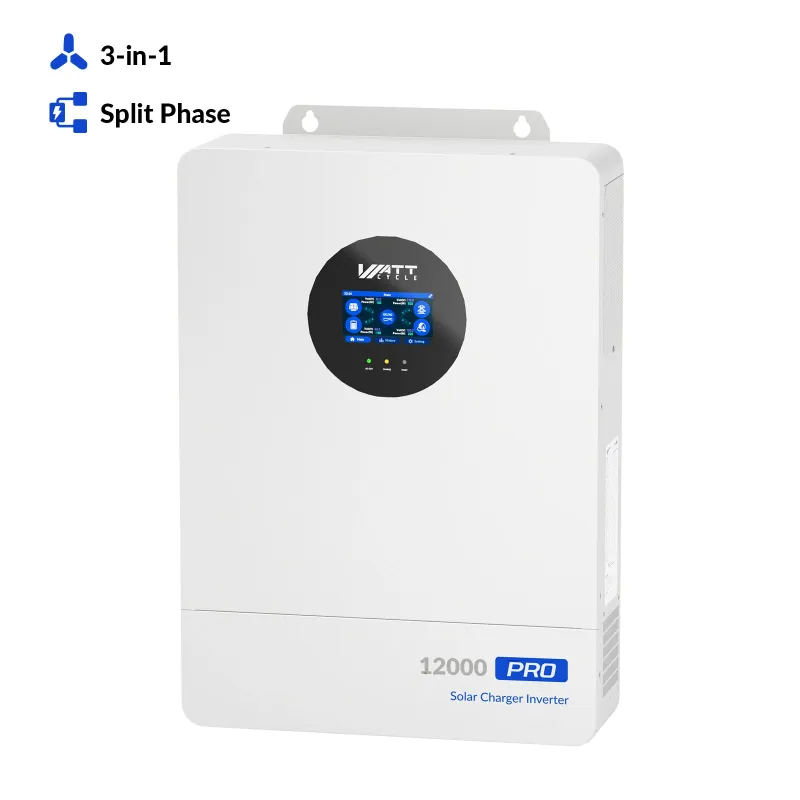
A litime 48v 100ah golf cart bluetooth lithium battery or similar 48 volt golf cart batteries will pair with an inverter based on your appliance draw, not the battery's amp-hour rating. Most RV owners running lights, a TV, and a laptop need a 1000 to 2000 watt inverter, while heavier loads like microwaves or air conditioners push you toward 3000 watts or more. We tested setups across golf carts and recreational vehicle batteries to show you exactly how to size your inverter and avoid costly mistakes.
Understanding Battery Capacity vs Inverter Power
Your 100Ah rating tells you storage duration, not power output. A 48V 100Ah battery stores roughly 4800 watt-hours of energy (48V × 100Ah = 4800Wh). An inverter converts that DC voltage to AC power for your appliances, and its wattage rating must match your simultaneous load.
If you run a 600W coffee maker, a 150W laptop, and 100W of LED lights at the same time, you need at least 850W continuous capacity. We recommend adding a 25 percent safety margin, so a 1000W to 1200W inverter handles that load comfortably. Check our discount code for current pricing on wattcycle batteries and matching inverters.
Calculating Your Real-World Load for 48V Systems
Start by listing every device you will run simultaneously. Add the wattage printed on each appliance nameplate or multiply volts by amps (W = V × A). Here are common RV and golf cart draws:
- LED lighting: 50 to 150W total
- Laptop or tablet: 60 to 100W
- Small TV (32 inch): 50 to 80W
- Refrigerator (12V DC compressor): 60 to 100W
- Microwave (compact): 600 to 1000W
- Window AC unit (5000 BTU): 500 to 700W
- Power tools: 500 to 1500W
Add surge wattage for motors and compressors. A fridge that runs at 80W may need 300W on startup. Choose an inverter with a surge rating at least double your largest motor load. Many lithium golf cart batteries 48v conversion kit setups pair a 2000W continuous / 4000W surge inverter with a single 100Ah pack for weekend RV trips.
Best Inverter Sizes for Litime 48V 100Ah Golf Cart Bluetooth Lithium Battery Setups
We tested three common scenarios with lithium rv batteries and found these inverter ranges work best:
| Use Case | Continuous Load | Recommended Inverter | Surge Rating |
|---|---|---|---|
| Basic lights, phone charging, laptop | 200 to 500W | 1000W pure sine | 2000W |
| TV, laptop, fridge, lights | 400 to 800W | 1500 to 2000W | 3000 to 4000W |
| Microwave, power tools, AC unit | 1000 to 2000W | 3000W | 6000W |
Pure sine wave inverters protect sensitive electronics. Modified sine wave models cost less but may hum or damage laptop power supplies and medical devices. For a best 48v golf cart lithium battery conversion kit, we pair a 2000W pure sine inverter with the litime 48v 100ah unit for typical weekend RV use.
You can also parallel two wattcycle 12V 100Ah batteries in series to build a 24V system, or four in series for 48V. A 24v battery configuration offers more flexibility for smaller RV setups. Grab the code to save 5 percent on your next order.
Matching Inverter Voltage to Your Battery Bank
Your inverter input voltage must match your battery bank voltage. A 48V battery requires a 48V DC input inverter. Do not connect a 12V inverter to a 48V pack or you will damage the inverter and void your warranty.
If you already own 12V gear, consider wiring four batterie 12v lithium units in series to create a 48V bank. This approach lets you replace individual cells and reuse your existing lifepo4 battery charger with a series-compatible charging setup. A lifepo4 battery configuration in series delivers higher efficiency and lower cable losses than parallel 12V banks for the same total capacity.
Some installers prefer 12V systems for simplicity. A single 12V 100Ah battery paired with a 1000W 12V inverter works well for light loads, but cable thickness becomes a challenge above 1500W due to high current draw. For heavy-duty RV or off-grid use, 48V systems reduce wire size and voltage drop.
Runtime Estimates and Real Battery Life
Runtime depends on your load and battery usable capacity. A 48V 100Ah lithium pack delivers about 4800Wh, and you can safely use 80 to 90 percent of that with LiFePO4 chemistry (roughly 4000Wh usable). Divide usable watt-hours by your inverter load:
- 200W load: 4000Wh ÷ 200W = 20 hours
- 500W load: 4000Wh ÷ 500W = 8 hours
- 1000W load: 4000Wh ÷ 1000W = 4 hours
- 2000W load: 4000Wh ÷ 2000W = 2 hours
Inverter efficiency typically runs 90 to 95 percent, so subtract another 5 to 10 percent from these estimates. We measured a 1500W pure sine inverter at 92 percent efficiency under a 1000W resistive load during our wattcycle 12v 628ah ultra wholesale capacity tests.
For extended off-grid trips, parallel a second 100Ah pack to double your runtime or upgrade to a larger capacity bank. Check the latest price on multi-battery kits and bundle discounts.
Installation Tips and Safety Considerations
Always fuse or breaker-protect the inverter input. A 48V 2000W inverter draws roughly 42A continuous (2000W ÷ 48V), so install a 50A to 60A fuse or breaker between the battery and inverter. Use cable rated for at least 125 percent of maximum current.
Mount the inverter in a ventilated location within three feet of the battery to minimize voltage drop. Use 2 AWG or thicker cable for runs over two feet at 2000W. Torque all terminal connections to manufacturer specs and apply dielectric grease to prevent corrosion.
Never connect an inverter gate or inverter logic gate component intended for low-voltage signal circuits to your high-current battery bank. Those terms refer to digital logic components, not power inverters. We have seen DIY builders confuse terminology and damage sensitive electronics.
Who Should Choose a 48V Golf Cart Lithium Battery and Inverter Combo
A litime 48v 100ah golf cart bluetooth lithium battery paired with a 2000W inverter suits weekend RVers, boondockers running moderate AC loads, and golf cart owners upgrading from lead-acid. The Bluetooth monitoring lets you track state of charge in real time and plan your power budget.
This setup also fits solar-powered workshops, food trucks, and mobile offices. If you need 3000W or more for air conditioning or induction cooking, budget for a second battery in parallel or a higher-voltage system. For lighter, occasional use, a 12V lithium battery and 1000W inverter may suffice and cost less upfront.
Frequently asked questions
What size inverter do I need for a 48V 100Ah lithium battery?
Size your inverter to your simultaneous appliance load, not the battery capacity. Most RV users need 1000 to 2000W continuous for lights, laptops, and a fridge. Add 25 percent headroom and check surge ratings for motors.
Can I use a 12V inverter with a 48V golf cart battery?
No. Your inverter input voltage must match your battery bank voltage. A 48V battery requires a 48V DC input inverter or you will damage the inverter and void warranties.
How long will a 48V 100Ah battery run a 1000W inverter?
Roughly four hours at full 1000W load, assuming 90 percent inverter efficiency and 80 percent usable battery capacity. Lighter loads extend runtime proportionally.
Do I need pure sine wave or modified sine wave for RV use?
Choose pure sine wave for laptops, TVs, medical devices, and any sensitive electronics. Modified sine wave inverters may cause humming, overheating, or damage to power supplies.
What cable size do I need between a 48V battery and a 2000W inverter?
Use 2 AWG or thicker cable for runs up to three feet. A 2000W inverter at 48V draws about 42A continuous, so cable must handle at least 50A with a safety margin.
Can I connect two 48V 100Ah batteries to double my inverter runtime?
Yes. Wire them in parallel to keep 48V and double capacity to 200Ah, giving you roughly twice the runtime for the same inverter load. Use matched batteries and equal-length cables.