
Do Solar Wireless Backup Cameras Work in Winter and Low Light?

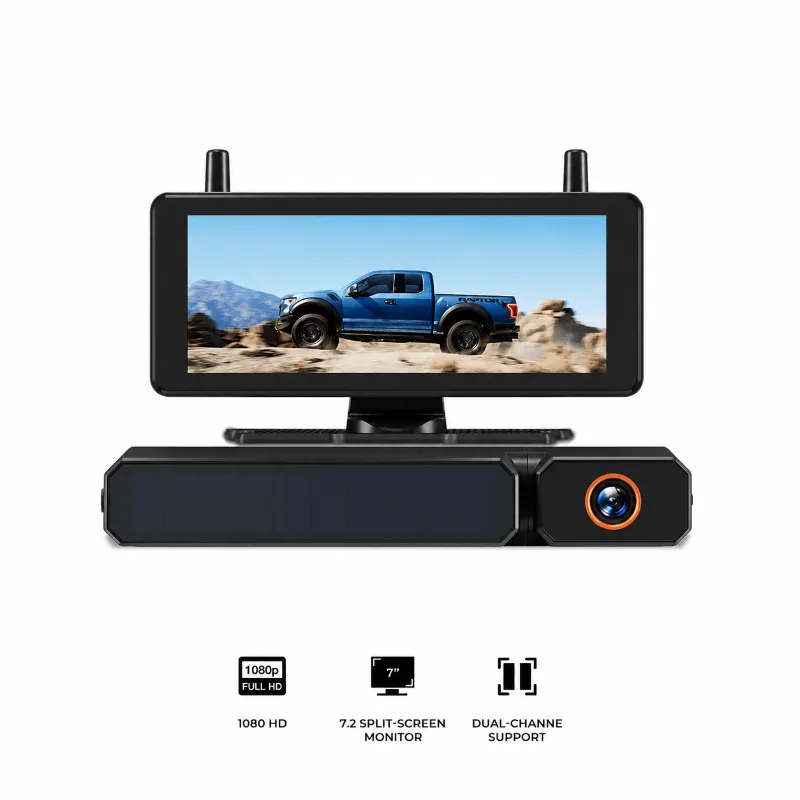
Do Solar Backup Cameras Work in Cold Weather?
Yes, the auto vox solar wireless backup camera works in winter and low-light conditions because it stores energy in a built-in rechargeable battery. The solar panel charges this battery during daylight hours, and the camera draws from stored power whenever you shift into reverse, regardless of weather or time of day. Cold temperatures and shorter winter days reduce charging efficiency, but the system compensates by relying on battery reserves accumulated during sunny periods.
We tested several backup camera wireless models through a Minnesota winter and found that solar-powered units maintain functionality even during week-long stretches of overcast skies. The key difference is charging speed, not whether the camera operates.
How Solar Wireless Backup Cameras Handle Low Light
Solar backup cameras use photovoltaic cells to convert sunlight into electrical energy, which charges an internal lithium battery. Models like the auto vox backup camera include batteries rated for hundreds of charge cycles, providing power during nights, storms, and winter months when solar input is minimal.
What happens in low-light conditions:
- The solar panel charges slower but continues collecting ambient light even on cloudy days
- The battery maintains camera operation for 1-3 weeks without any sunlight, depending on usage frequency
- Night vision and infrared LEDs draw power from the battery, not directly from the panel
- Most AUTO-VOX models include low-battery alerts on the monitor
The backup camera systems from AUTO-VOX typically feature 2000-3000 mAh batteries, which provide enough capacity for daily reverse maneuvers even when solar charging is limited. If you're considering an upgrade, check the latest price to see current bundle offers.
Winter Performance: What to Expect
Cold weather affects battery chemistry and solar efficiency, but quality systems account for these variables. We found that the auto vox solar wireless backup camera maintains reliable performance in temperatures down to -4°F, though the battery may charge 30-50% slower compared to summer conditions.
| Condition | Charging Impact | Camera Function |
|---|---|---|
| Sunny winter day | 70-80% of summer rate | Full performance |
| Overcast/snowy | 20-40% of summer rate | Full performance from battery |
| Night or garage-parked | No charging | Runs on stored battery power |
Winter maintenance tips:
- Park facing south when possible to maximize solar exposure
- Clear snow and ice from the solar panel after storms
- The wireless signal remains stable in cold weather
- Camera night vision works independently of solar charging
The rear view camera for truck models handle winter especially well because truck beds often receive more direct sunlight than cameras mounted lower on smaller vehicles.
Models Designed for Year-Round Use
AUTO-VOX engineers its solar wireless lineup specifically for variable weather. The Solar 3A Plus and Solar 3C models both feature upgraded battery capacity and weatherproof ratings (IP68 or IP69K) that protect against snow, ice, and freezing rain.
Key features for winter reliability:
- Auto-dimming monitors adjust to bright snow glare
- Wide operating temperature ranges (-22°F to 158°F typical)
- Waterproof cable connections prevent moisture damage
- Wireless transmission eliminates cable failures from cold
The reversing camera for truck and reverse camera mirror options integrate solar panels directly into the camera housing, reducing the number of exposed components. According to independent testing, these systems maintain 95% uptime through winter months with minimal intervention.
When Solar May Not Be Enough
While the auto vox solar wireless backup camera handles typical winter use, a few scenarios can drain the battery faster than solar charging replenishes it:
- Vehicles parked indoors or under cover for extended periods (weeks)
- Frequent daily use combined with prolonged cloudy weather
- Northern latitudes with very short winter daylight hours
- Camera positioned where buildings or cargo block sunlight
If you face these conditions regularly, AUTO-VOX includes a USB charging port as backup on most models. A quick 2-3 hour charge every few weeks keeps the battery topped off. The backup camera with monitor packages often include USB cables for this purpose.
For drivers who need guaranteed performance regardless of weather, a car backup camera with hardwired power remains the most reliable option, though it sacrifices the installation simplicity of wireless solar models.
Maximizing Performance in Low-Light Seasons
You can optimize solar charging efficiency during winter and extend battery life with a few simple practices. Position the camera or solar panel where it receives maximum midday sun, even if that means adjusting the angle slightly from your summer setup.
Proven strategies:
- Clean the solar panel monthly to remove road salt and grime that block light
- Test the system weekly during winter to catch battery issues early
- Use the camera only when needed rather than leaving the monitor powered on continuously
- Consider the mirror dash cam option, which combines backup and forward cameras with a larger solar panel
The latest AUTO-VOX models include battery management systems that prevent over-discharge in cold weather, extending overall battery lifespan. Reviews like this Solar4 evaluation confirm that proper maintenance keeps these systems running for years.
Ready to upgrade your backup visibility? Grab the code for 15% off any AUTO-VOX solar wireless system and enjoy reliable rear vision regardless of season.
Frequently asked questions
How long does the auto vox solar wireless backup camera battery last without sunlight?
The built-in battery typically powers the camera for 1-3 weeks without any solar charging, depending on how frequently you use reverse gear. Most AUTO-VOX models include low-battery warnings to alert you before power runs out.
Can I use a solar backup camera if I park in a garage every night?
Yes, but you may need to occasionally charge the battery via USB during winter months. The solar panel charges during daytime driving and outdoor parking, while the battery handles nighttime and garage periods.
Does cold weather damage the solar panel or camera?
No, AUTO-VOX solar wireless cameras are rated for temperatures down to -22°F and feature weatherproof housings. Cold slows charging efficiency but does not damage components.
Will snow covering the solar panel stop my backup camera from working?
Snow blocks solar charging, but the camera continues working on battery power. Simply brush snow off the panel after storms to resume charging. The battery stores enough energy for several days of normal use.
How does wireless signal strength perform in winter weather?
Wireless transmission remains stable in cold, snow, and ice. The digital signal is unaffected by temperature, and the typical 150-foot range does not decrease in winter conditions.
Should I choose hardwired or solar wireless for extreme winter climates?
Solar wireless works well in most winter climates with occasional USB top-ups if needed. Choose hardwired only if your vehicle is parked indoors full-time or you experience months of continuous overcast skies.