
Top 7 Uses for a Night Vision Monocular: From Hunting to Home Security

A monocular night vision device is the most versatile piece of low-light gear you can own, and the seven uses below cover everything from hunting and pest control to checking your property after dark. Because a night vision monocular uses one eye and a single compact tube, it weighs less, costs less, and sips battery slower than a full binocular setup, which is exactly why it has become our default recommendation for most first-time buyers at The Planet Deals. Here is how real owners put one to work, and where it beats the alternatives.
Why a Monocular Beats Bulkier Setups for Most People
Before the uses, a quick word on format. We test both, and for most buyers a monocular night vision unit wins on three points:
- Weight and one-hand use. A single-tube unit is lighter and easier to carry on a long stalk or a perimeter walk.
- Price. You get usable detection range for a fraction of what matched binocular tubes cost.
- Flexibility. Many units accept a head mount, so the same device works handheld or hands-free.
If you want to compare formats side by side, our guide to the meaning prowl covers the monocular format in depth, and binoculars with night vision are worth considering only if you do long observation sessions. Independent roundups like this list of the best night vision monoculars for scouting after dark reach a similar conclusion for hunters.
Use 1: Hunting and Predator Control
This is the big one. Hogs, coyotes, foxes, and rabbits are most active when legal shooting light has gone, and a monocular night vision unit lets you scan a field, identify the animal, and confirm what is behind it before you take a shot. Scan with the monocular, then shoot under a weapon-mounted light or IR illuminator.
- Digital units work well here because they handle the bright spike of an IR torch without blooming badly.
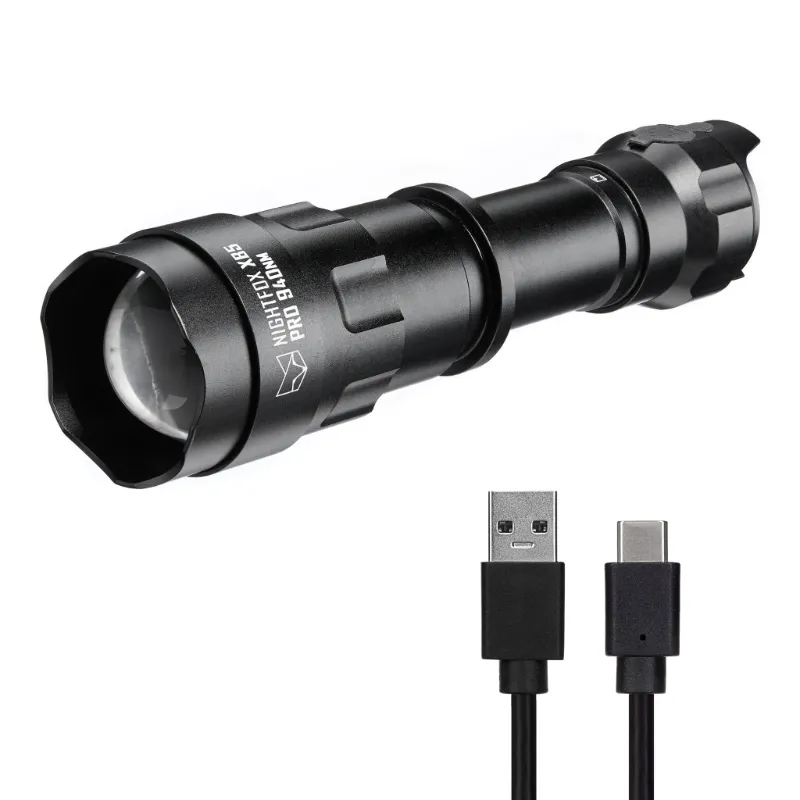
- Pair the unit with an infrared torch if your monocular does not include a built-in illuminator; that combination is what turns "I can see shapes" into "I can see clearly at range."
- Always check your local rules. Some regions restrict electronic sighting devices for certain species or seasons.
Use 2: Home and Property Security
A monocular is the cheapest way to answer the 2 a.m. noise question without switching on lights and giving away your position. Walk the fence line, check the gate, and look down the driveway while staying invisible yourself. A built-in IR illuminator lets you see through total darkness, and the person outside sees nothing but black.
For watching a fixed point, such as a driveway or a barn door, a tripod mount turns the same unit into a passive surveillance scope. If your main goal is security rather than mobility, check the current offer on our Nightfox discount code page before you buy, because the savings usually cover the cost of a tripod or spare batteries.
Use 3: Wildlife Watching and Camping
Owls, deer, badgers, and foxes do their best work after sunset. A monocular night vision unit lets you watch without a white light that spooks everything in the wood. Digital units also record video, so what you see you can keep.
- Keep the IR illuminator on low near animals; on some devices the illuminator's faint red glow is visible up close.
- Carry a spare battery. Cold nights cut runtime faster than most buyers expect.
- Campers get a second use for free: navigating a dark site without blinding your neighbours with a head torch.
Use 4: Hands-Free Work With a Head Mount
This is where a monocular leaves binoculars behind. With a night vision monocular with head mount, you get one eye on the dark and one eye free for reading a map, working with your hands, or checking your footing. That one-eyed setup is how military and professional users run their gear, and the same logic applies to property patrols, boat handling at night, and airsoft.
Look for a unit with an adjustable flip-up mount so you can push it out of the way instantly when you need both eyes in ambient light. Our full write-up of the best monocular night vision options with head mounts covers which units take standard mounts and which need adapters.
Use 5: Search and Rescue, and Finding Lost Stock or Pets
If a dog slips a lead at dusk or livestock breaks a fence, a monocular with a decent IR illuminator covers ground fast. Scan hedgerows, culverts, and outbuildings methodically in a grid. Farmers and smallholders use the same pattern to do head counts after dark, and it works just as well for a missing cat two gardens away.
Use 6: Boating and Navigation After Dark
Every inland waterway user should have a low-light viewing device aboard. A monocular night vision unit spots unlit buoys, kayaks, swimmers, and floating debris long before your navigation lights reveal them. Handheld is fine for this use; you only need short glances, not long observation, so battery drain stays low.
Use 7: Thermal Detection Work
A monocular night vision device amplifies existing light. A thermal monocular detects heat, which is a different job. For finding a warm body through fog, light brush, or total darkness where there is nothing to amplify, thermal wins, and that is why many serious hunters carry both. If your use case is detection at range in poor weather, a thermal vision monocular is the better first purchase, and a helmet or head-mounted thermal unit is common for hands-free scanning. If your use case is identification and recording, stay with digital night vision. Many buyers eventually own both, one for finding and one for identifying.
Quick Comparison: Which Device Fits Which Use
| Use case | Best device type | Why |
|---|---|---|
| Predator hunting, pest control | Digital monocular + IR torch | Records, handles IR illumination, identifies targets |
| Home security patrols | Compact monocular | Light, quiet, invisible to anyone outside |
| Hands-free patrol or airsoft | Monocular with head mount | One eye free, flip-up mounting |
| Fog, brush, long-range detection | Thermal monocular | Sees heat where there is no light to amplify |
How to Choose and Care for Yours
- Generation or digital? Digital units are affordable, safe in daylight, and record. Tube-based units are brighter and cleaner in very low light but cost more. Entry-level digital is right for most of the uses above.
- Check the IR illuminator. If there is no built-in one, budget for a separate torch.
- Mount compatibility matters. If hands-free use is on your list, confirm head-mount support before buying.
- Care basics. Store it dry with the lens caps on, never point it at bright lights while powered, and clean lenses with the cloth supplied, not a shirt sleeve. Treat the IR window like a lens; a smudge there cuts range noticeably.
If you are ready to buy, our nightvision range covers the current Nightfox lineup, and you can grab the code on our Nightfox discount page for 5% off sitewide at checkout. For further reading, this overview of PVS-14 style monoculars is a good primer on how professional one-tube devices are configured.
Frequently asked questions
Can I use a monocular night vision unit with a head mount?
Yes, if it supports a standard head mount or helmet mount. Check the manufacturer's mounting specs before buying, since some units need an adapter plate.
What is the difference between digital night vision and a thermal monocular?
Digital units amplify available light and work with IR illumination, while a thermal vision monocular detects heat signatures. Thermal is better for detection through fog or brush; digital is better for identification and recording.
Can a night vision monocular be used during the day?
Yes, digital units are safe to power on in daylight. Tube-based analogue units should never be exposed to bright light while switched on.
Is it legal to hunt with monocular night vision?
It depends on local law. Many regions restrict electronic viewing or sighting devices for certain species or seasons, so always check your local hunting regulations before taking one afield.
How far can a monocular night vision device see?
Detection range depends on the sensor, the objective lens, and the IR illuminator, so it varies a lot between models. Check the manufacturer's stated detection range for the specific unit rather than relying on generic figures.
What do I need for home security use?
It works best when paired with a separate infrared torch for illumination and a tripod or fixed mount for static observation of a driveway or gate.