
Do Ankle Weights and Wrist Weights Actually Work for Building Muscle?

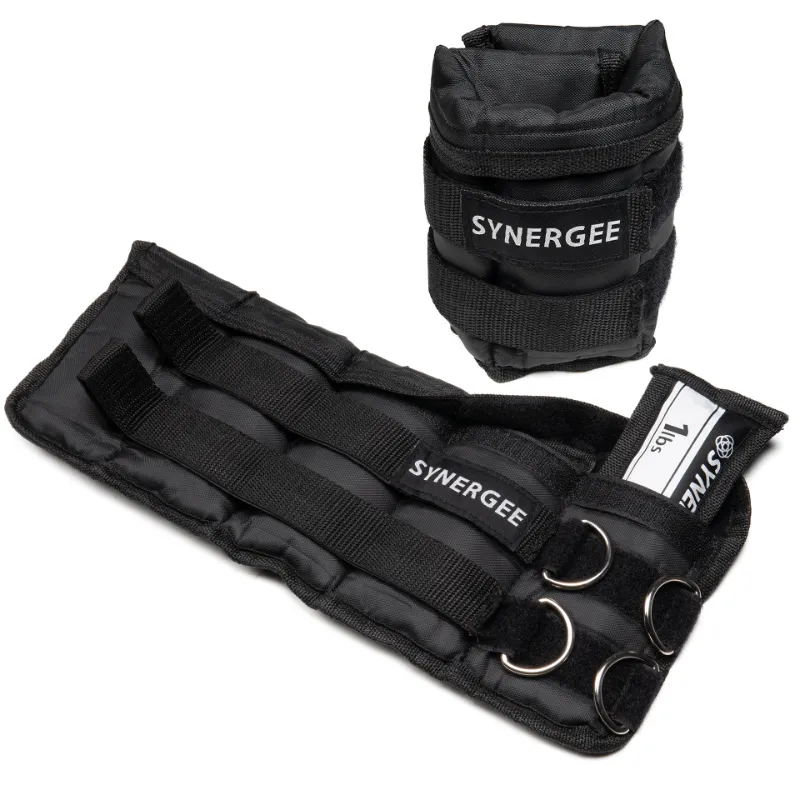
Do Ankle Weights Build Muscle?
Ankle weights can help you build muscular endurance and tone in your legs and glutes, but they're not the best tool for adding significant muscle mass. They add resistance to bodyweight movements like leg lifts, walking, and kickbacks, which forces your muscles to work harder and adapt over time. For beginners or anyone rehabbing from injury, ankle weights provide a low-impact way to strengthen stabilizer muscles and improve stamina. If your goal is hypertrophy and serious size gains, however, you'll want to graduate to heavier tools like a trap bar or squat rack.
The reason comes down to load. Most adjustable ankle weights top out around 10 to 20 lbs per leg, which quickly becomes too light for the progressive overload your muscles need to grow. That weight range works well for endurance and definition, especially in isolation exercises, but compound lifts with barbells or machines deliver the stimulus required for mass.
What Ankle Weights Actually Do Best
Ankle weights shine in three specific scenarios: rehabilitation, endurance training, and adding challenge to cardio or Pilates. Physical therapists often prescribe them to rebuild strength after knee or hip surgery because the load is manageable and you can control range of motion. Runners and walkers sometimes strap on lighter sets (1 to 5 lbs) to increase calorie burn and recruit more muscle fibers during steady-state cardio, though this approach carries joint-stress risks we'll cover below.
For mat work and bodyweight circuits, ankle weights turn simple moves into genuine challenges. Donkey kicks, fire hydrants, and flutter kicks all become harder with even a few pounds strapped to your ankles, and that extra resistance can help you break through a plateau without needing a gym full of equipment. If you're working out at home and want to intensify glute and hip work, grab the code and pick up a pair of adjustable ankle weights so you can scale the load as you progress.
Comparing Ankle Weights to Other Resistance Tools
| Tool | Best For | Load Range | Injury Risk |
|---|---|---|---|
| Ankle Weights | Isolation, rehab, endurance | 1–20 lbs | Moderate (joints) |
| Resistance Bands | Full-body, travel, variable tension | Light to heavy | Low |
| Barbell / Trap Bar | Compound lifts, mass building | 45 lbs to 500+ lbs | Moderate (form-dependent) |
| Cable Machine | Controlled isolation, constant tension | 5 to 200+ lbs | Low |
Resistance bands offer a safer, more versatile alternative for many of the same goals. Bands provide variable resistance that matches your strength curve, they're easier on joints, and you can use them for upper and lower body without needing multiple pieces of gear. A lat pulldown machine or chest fly machine gives you the control and isolation of ankle weights but with far more weight capacity and smoother mechanics.
If you're deciding between a pair of 5 kg ankle weights and a set of bands, think about your training style. Ankle weights work well if you do a lot of floor work, Pilates, or walking intervals. Bands win if you want full-body options, travel frequently, or plan to train for strength rather than just endurance.
How to Use Ankle Weights Safely
The biggest mistake people make is wearing ankle weights during high-impact activities like running or jumping. The added load shifts your gait and increases stress on knees, hips, and ankles, which can lead to tendonitis or stress fractures over time. Experts at Healthline recommend reserving ankle weights for controlled, low-impact movements where your foot stays close to the ground or moves slowly through space.
Start with 1 to 5 lbs per ankle and focus on form. Here are a few safe, effective exercises:
- Leg lifts (side, front, back): lie on your side or stomach and lift your leg against the weight, squeezing at the top.
- Glute kickbacks: on all fours, extend one leg back and up, keeping your core tight.
- Seated leg extensions: sit on a chair and straighten one knee at a time, pausing at full extension.
- Standing hip abduction: hold a wall for balance and lift your leg out to the side.
Work in the 12 to 20 rep range for two to three sets, and only increase weight when those reps feel easy with perfect form. If you feel any sharp pain or your joints ache after a session, drop the weight or switch to resistance bands for a gentler load curve.
When to Upgrade Beyond Ankle Weights
Once you can complete three sets of 20 reps with the heaviest adjustable ankle weights you own, it's time to add more resistance or change tools. For lower-body strength and size, a squat rack and bar bell let you load your legs with hundreds of pounds in squats, lunges, and deadlifts. Those compound movements recruit far more muscle and trigger the hormonal response needed for hypertrophy.
If space or budget is tight, a single trap bar offers a safer deadlift variation that's easier to learn and kinder to your lower back. Pair it with a set of adjustable dumbbells or a cable machine for isolation work, and you've got a complete lower-body program that will take you well past the ankle-weight ceiling.
Check the latest price on Synergee Canada's strength equipment to see what fits your space and goals. Many lifters keep a pair of ankle weights around for warm-ups, finishers, or travel, but they rely on heavier tools for their main working sets.
Who Should Use Ankle Weights (and Who Shouldn't)
Ankle weights work best for:
- Rehab patients cleared by a physical therapist to add light resistance.
- Beginners building foundational strength before moving to barbells or machines.
- Pilates and yoga practitioners who want to challenge balance and stabilizer muscles.
- Travelers who need portable resistance for hotel workouts.
Skip them if you:
- Have existing knee, hip, or ankle pain (the load can aggravate inflammation).
- Plan to wear them during running or plyometrics (injury risk is too high).
- Want to build significant muscle mass (you'll outgrow them quickly).
For most people, ankle weights are a stepping stone or a supplement, not the cornerstone of a program. They pair well with bodyweight circuits, a rope jump rope for cardio intervals, or a roman chair for core work, but they won't replace the need for heavier resistance as you get stronger.
If you're ready to add them to your toolkit, look for adjustable models that let you remove weight packets so you can start light and scale up. Velcro or buckle closures should feel snug without cutting off circulation, and the weight should distribute evenly around your ankle rather than sagging to one side. Reviews on Runner's World and Miami Herald highlight features like moisture-wicking liners and reinforced stitching that make a difference during longer sessions.
Frequently asked questions
Can ankle weights help you lose weight?
Ankle weights can increase calorie burn during walking or low-impact cardio by adding resistance, but the effect is modest. Pairing them with a calorie deficit and strength training will deliver better fat-loss results than wearing them alone.
How heavy should adjustable ankle weights be for beginners?
Start with 1 to 3 lbs per ankle if you're new to resistance training. This load is enough to challenge your muscles without compromising form or stressing your joints. Add weight only when you can complete 20 reps with control.
Are ankle weights bad for your knees?
Ankle weights can stress your knees if you wear them during high-impact activities like running or jumping. Stick to slow, controlled movements like leg lifts and kickbacks to keep joints safe.
Can I wear ankle weights all day to build muscle?
Wearing ankle weights all day is not recommended. The constant load alters your gait and can lead to joint pain or muscle imbalances. Use them only during dedicated exercise sessions.
What's better for building leg muscle, ankle weights or resistance bands?
Resistance bands are generally better for building leg muscle because they offer variable tension, more exercise variety, and higher load potential. Ankle weights work well for isolation and endurance but won't provide enough resistance for serious strength gains.
Where can I find affordable ankle weights in Canada?
Synergee Canada carries adjustable options that let you scale weight as you progress. Check their site for current pricing and use our discount code to save on your order.