
What Size Resistance Bands Do I Need for Pull-Up Assistance?

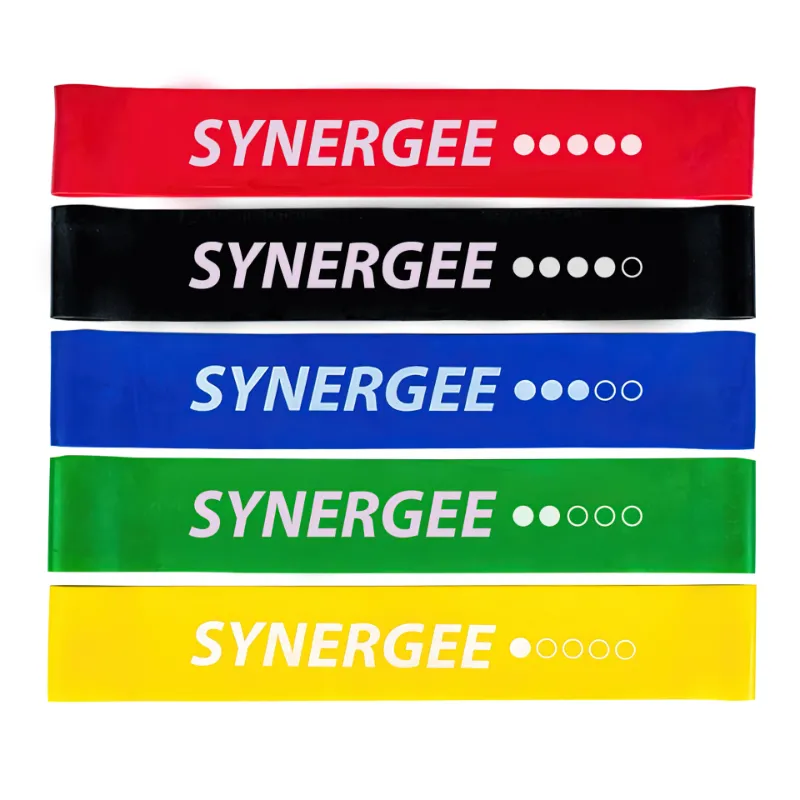
What Size Resistance Bands Do I Need for Pull-Up Assistance?
The right resistance bands for pull-up assistance typically range from 20 to 80 pounds of tension, depending on your body weight and current strength level. Heavier bands provide more lift at the bottom of the movement, while lighter bands let you build unassisted strength faster. Most people start with a band that offsets 40 to 60 percent of their body weight, then progress to thinner bands as they gain strength.
We tested resistance bands across different tension levels to see which combinations work best for beginners, intermediate lifters, and those close to unassisted pull-ups. The goal is to choose a band that lets you complete 3 to 5 reps with good form, then gradually move to lighter resistance.
How Resistance Band Tension Relates to Your Body Weight
Band tension is measured in pounds of resistance at full stretch. A 50-pound band doesn't remove exactly 50 pounds from your body weight because the stretch varies through the pull-up range, but it gives you a reliable baseline.
Here's how to match band tension to your starting point:
- 150 lbs or less: Start with a 30 to 50-pound band for moderate assistance
- 150 to 200 lbs: A 50 to 65-pound band provides solid support without eliminating the challenge
- 200 lbs and above: Look for 65 to 80-pound bands, or double up thinner bands for extra lift
If you can already do 1 to 2 unassisted pull-ups, drop down one tension level. A band that's too heavy turns the movement into a vertical push instead of a pull, which defeats the training purpose.
Choosing Between Loop Band Widths and Styles
Pull-up assistance bands come in continuous loops, and width determines resistance. The bands we recommend follow this pattern:
| Band Width | Tension Range | Best For |
|---|---|---|
| 1/4 inch | 5-15 lbs | Final progression before unassisted |
| 1/2 inch | 15-35 lbs | Intermediate lifters, lighter users |
| 3/4 inch | 30-50 lbs | Beginners under 180 lbs |
| 1+ inch | 50-80 lbs | Heavier users, total beginners |
Thicker bands also stretch less at the top of the pull-up, so the assistance tapers naturally as you rise. Thinner bands maintain more consistent tension throughout the range, which some people prefer for resistance bands workout programming that includes other exercises like rows and stretches.
Check the latest pricing to see which band widths are in stock and whether multi-packs offer better value than singles.
Setting Up Your Band for Safe Pull-Up Assistance
Loop one end of the band over your pull-up bar, then pull the free end through the loop to create a secure anchor. Step into the bottom loop with one foot or both knees, depending on the assist level you want.
Single-foot setup: Place one foot in the band and keep the other leg bent or crossed behind. This gives you moderate assistance and forces more core stabilization.
Both-knees setup: Kneel into the band with both knees together. You'll get maximum lift, which is ideal when you're learning the movement pattern or working high-rep endurance sets.
Make sure the band sits securely on the bar before you hang. A band that slips mid-rep can snap back hard. If you're also training with a lat pulldown machine or doing machine pull downs, alternate those sessions with banded pull-ups to build strength from multiple angles.
Progressing Through Band Sizes Over Time
The fastest way to build unassisted pull-up strength is to use the lightest band that still lets you hit your target reps. Once you can complete 3 sets of 8 to 10 reps with clean form, drop to the next thinner band.
A typical progression looks like this:
- Weeks 1-3: Heavy band, 3 sets of 5-8 reps
- Weeks 4-6: Medium band, 3 sets of 6-10 reps
- Weeks 7-9: Light band, 3 sets of 8-12 reps
- Weeks 10+: Unassisted attempts, with band as backup for extra volume
Some people buy a set of three or four bands and rotate them within the same workout. Start your first set with a light band, then switch to heavier bands as fatigue builds. This approach keeps your rep count consistent while maximizing training volume.
Grab the code if you're ordering multiple bands at once—the current offer saves 5% sitewide.
Using Bands for Other Upper-Body Movements
The same bands that assist your pull-ups work for a range of resistance bands for back exercises and mobility drills. Loop a medium band around a squat rack upright for face pulls, banded rows, or shoulder dislocations. Thinner bands are excellent for warm-up rotations and scapular retractions before heavy pressing.
If you train at home without a cable stack, bands replicate many of the same movement patterns you'd get from a chest fly machine or lat pulldown. Anchor points matter—use a door anchor, a rack pin, or the pull-up bar itself, depending on the angle you need.
Bands also pair well with bodyweight stations like a roman chair for assisted leg raises or dip exercise bars for banded dip assistance. The New York Times Wirecutter team highlights versatility as one of the top reasons resistance bands remain a staple in both home and commercial gyms.
Material Quality and Durability Considerations
Latex and natural rubber bands stretch smoothly and return to shape quickly, but they degrade faster in sunlight and heat. Synthetic rubber blends last longer and resist snapping, though they may feel slightly stiffer out of the box.
Check for:
- Layered construction: Multi-ply bands distribute stress more evenly than single-layer tubes
- Uniform thickness: Thin spots or visible seams indicate weak points that can tear under load
- Matte finish: Glossy bands tend to slip on the bar and against skin
Store your bands away from direct sun and chalk dust. Wipe them down after sweaty sessions to prevent rubber breakdown. Consumer Reports' lab testing found that quality resistance bands maintain 90 percent of their original tension after a year of regular use, while cheaper versions lose elasticity within a few months.
If you're adding accessories like ankle weights or a trap bar to your setup, prioritize bands first—they deliver the most training variety per dollar and pack flat for travel or small spaces.
Frequently asked questions
What resistance band size should a beginner use for pull-ups?
Beginners typically start with a 50 to 65-pound band if they weigh between 150 and 200 pounds. The band should provide enough lift to complete 5 to 8 reps with clean form, then you progress to lighter bands as you build strength.
Can I use the same band for pull-ups and other exercises?
Yes, pull-up assistance bands work for rows, face pulls, shoulder mobility drills, and lower-body work like banded squats. Thicker bands suited for pull-ups also provide enough resistance for most upper-body accessory movements.
How do I know when to switch to a lighter band?
Switch to a lighter band once you can complete 3 sets of 8 to 10 reps with your current band while maintaining strict form. If the movement feels easy or you're bouncing at the bottom, you're ready to progress.
Do resistance bands lose tension over time?
High-quality bands maintain about 90 percent of their original tension after a year of regular use, but cheaper versions degrade faster. Store bands away from sunlight and heat, and wipe them down after workouts to extend their lifespan.
Should I loop the band around one foot or both knees?
Loop around one foot for moderate assistance and more core engagement, or use both knees for maximum lift when learning the movement. Both setups are effective; choose based on how much help you need to hit your target reps.
Can I double up two lighter bands instead of buying a heavier one?
Yes, doubling lighter bands works well for heavier users or total beginners who need more than 80 pounds of assistance. Just make sure both bands are securely anchored and check them before each set to prevent slipping.