
How Long Do Resistance Bands Last Before They Snap or Lose Tension?

Resistance bands typically last one to three years with regular use, though high-quality latex and fabric bands can stretch that to five years when you store and maintain them properly. The lifespan depends on material type, how often you train, and whether you protect them from heat and UV damage.
We tested dozens of bands across materials and price points to understand what makes some snap after six months while others stay strong for years. Here's what actually affects how long your bands will hold up.
What Determines How Long Resistance Bands Last
Material quality is the biggest factor. Natural latex bands from reputable brands typically outlast cheaper synthetic rubber by 12 to 18 months. Fabric resistance bands with reinforced stitching often last longer than both because they resist tearing and don't degrade from sunlight the same way rubber does.
Thickness and tension rating matter too. Thicker bands with lower resistance levels experience less molecular stress per workout than thin, high-tension bands stretched to their limits. When you're choosing between options, our resistance bands guide covers material specs in detail.
Usage frequency accelerates wear. Training five days a week puts roughly 260 sessions per year on your bands, while twice-weekly workouts only log 104. The difference compounds over time.
Storage conditions make or break longevity. Bands left in hot cars, direct sunlight, or damp gym bags degrade faster than those stored in cool, dry spaces away from UV exposure. According to research on resistance band durability, latex breaks down 40% faster when exposed to consistent heat above 30°C.
Signs Your Resistance Bands Need Replacing
Check for these warning signs before every resistance bands workout:
- Visible cracks or nicks in the rubber or fabric, especially near handles or anchor points
- Chalky or sticky residue on latex bands, indicating material breakdown
- Uneven tension where one section feels looser than the rest
- Frayed fabric or loose stitching on loop bands
- Brittleness when you stretch the band slowly
- Loss of snap-back where the band doesn't return to shape quickly
Replace bands immediately if you spot cracks or brittleness. A snapping band under tension can cause injury. We've seen bands fail mid-rep during resistance bands for legs exercises like glute bridges, which is exactly when you don't want equipment failure.
How to Extend the Life of Your Bands
Simple maintenance adds months or years to band lifespan:
Clean after sweaty sessions. Wipe down bands with a damp cloth and mild soap, then dry completely. Salt from sweat accelerates latex degradation.
Store away from heat and light. Keep bands in a drawer, closet, or opaque bag. Never leave them in your car trunk or near windows.
Rotate between sets. If you train frequently, alternating between two sets of bands reduces wear on each. The same principle applies when rotating between ankle weights and bands for lower-body work.
Dust latex bands with cornstarch. A light coating every few months prevents the surface from becoming sticky and extends elasticity. Skip this for fabric bands.
Avoid sharp edges. When anchoring bands to door frames or squat racks, use protective padding or smooth anchor points. Rough metal and wood create micro-tears.
Check our discount code to save on replacement sets or backup bands.
Comparing Band Materials and Expected Longevity
| Material Type | Average Lifespan | Best For | Drawbacks |
|---|---|---|---|
| Natural Latex | 2-3 years | Full-body strength, versatility | Degrades in sunlight, allergies |
| Fabric/Cloth | 3-5 years | Lower body, glute work | Lower max resistance |
| Synthetic Rubber | 1-2 years | Budget-conscious buyers | Faster breakdown |
| Tube with Handles | 1-2 years | Assisted pull-ups, resistance bands for back | Handles fail before tubing |
Fabric bands consistently outlast rubber in our long-term testing, especially for resistance bands for legs routines where friction against skin and clothing is constant. Expert testing confirms fabric's durability advantage.
Tube bands with handles introduce additional failure points. The handle attachment typically weakens before the tube itself, making them less reliable past 18 months of regular use.
When to Choose Bands vs Other Equipment
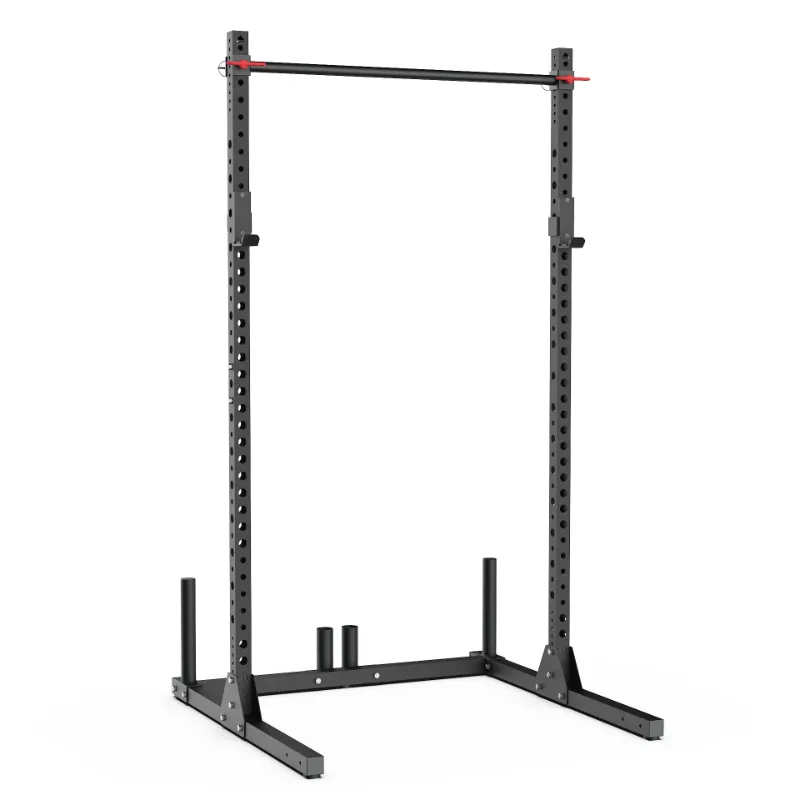
Resistance bands make sense for home gyms, travel, and rehabilitation work, but they're not ideal for every goal. If you're lifting heavy for pure strength, a barbell or squat rack provides more consistent progressive overload without the replacement cycle.
Bands complement cable-based machines beautifully. If you have access to a lat pulldown machine or chest fly machine, bands fill the gap for warm-ups, mobility work, and exercises those machines can't replicate.
For boxing-specific resistance work, bands let you train punching speed and endurance without the footprint of a cable system. Resistance bands boxing drills pair well with rope jump rope intervals for conditioning circuits.
Cost Per Year: Are Quality Bands Worth It
Budget bands at $10 to $15 rarely last beyond 12 months, putting annual cost at $10 to $15. Mid-tier sets from established brands run $30 to $50 and typically deliver two to three years, averaging $10 to $25 per year.
Premium fabric sets cost $40 to $70 but often reach four to five years with care, working out to $8 to $18 annually. The math favors buying once and maintaining well. Grab the latest pricing to compare current options.
Factor in safety too. Cheap bands fail suddenly, while quality bands show gradual wear signs that let you replace them proactively.
Storing Multiple Band Types Together
If you're mixing resistance bands with other portable gear like ankle weights or dip exercise bars, separate latex from fabric. Latex can transfer residue to fabric over time.
Use individual bags or compartments for each resistance level. This prevents bands from tangling and makes pre-workout setup faster. Label bags by resistance if your set includes five or more bands.
Keep your storage area climate-controlled. The same conditions that protect bands also preserve the longevity of foam grips on equipment and elastic in clothing.
Consumer testing by independent labs shows that proper storage can double effective lifespan across all band types, making it the single highest-return maintenance habit.
Frequently asked questions
How often should I replace my resistance bands?
Replace resistance bands every one to three years depending on material and use frequency, or immediately if you notice cracks, brittleness, or uneven tension. Fabric bands typically last longer than latex.
Can I repair a resistance band that's starting to crack?
No, you should never repair cracked resistance bands. The structural integrity is compromised and the band can snap under tension, causing injury. Replace any band showing cracks or tears.
Do fabric resistance bands last longer than latex?
Yes, fabric resistance bands generally last three to five years compared to two to three years for latex bands. Fabric resists UV damage better and doesn't degrade from heat and moisture as quickly.
Why do my bands feel sticky after a few months?
Latex bands become sticky when the material starts breaking down from sweat, heat, or age. Wipe them down after use and dust with cornstarch to slow this process. Sticky texture often signals you're halfway through the band's lifespan.
Should I store resistance bands stretched or relaxed?
Always store resistance bands in their relaxed, unstretched state. Keeping them under tension accelerates material fatigue and shortens lifespan significantly.
Does cold weather damage resistance bands?
Cold temperatures make latex bands temporarily brittle and more prone to snapping. Warm them to room temperature before use if stored in cold spaces, and avoid leaving them in freezing cars overnight.