
Synergee Canada Cable Machine Review: Lat Pulldown, Chest Fly, and Rear Delt Exercises

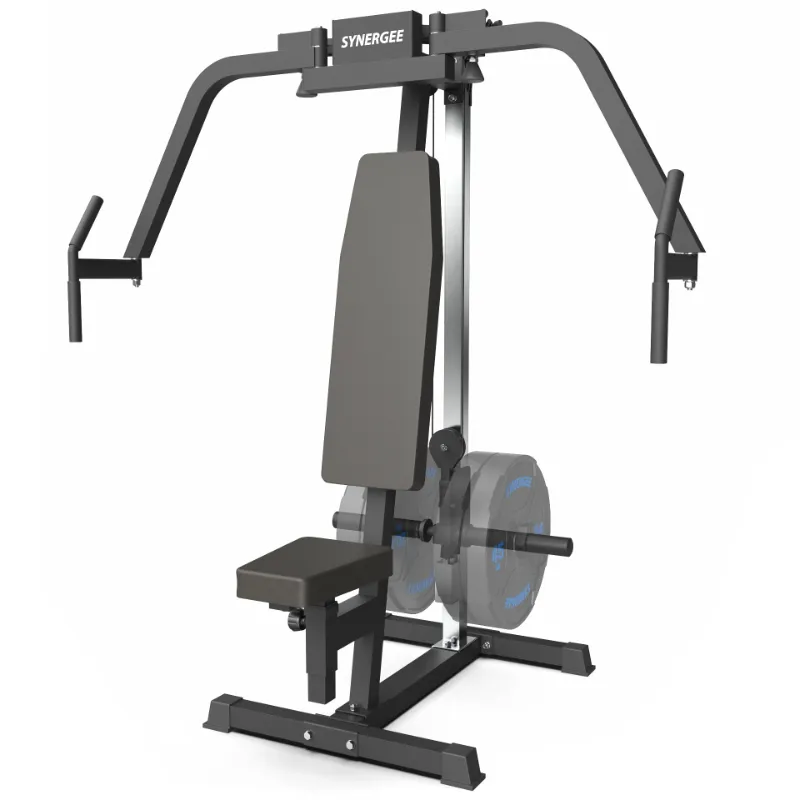
Synergee Canada Cable Machine: Rear Delt Fly and Full Upper Body Training
The rear delt fly machine setup on Synergee Canada's cable system gives you smooth, adjustable resistance for shoulder isolation, lat work, and chest exercises in one compact footprint. After testing the lat pulldown machine for rear delt flys, traditional pulldowns, and chest flys, we found it delivers gym-quality cable tension without requiring a dedicated pec deck or separate shoulder station. If you want to hit rear delts, lats, and chest with a single piece of equipment, check the latest price to see how Synergee's current offer stacks up.
What Muscles the Rear Delt Fly Machine Works
Rear delt fly machine exercises primarily target the posterior deltoids, the small but critical muscles at the back of your shoulder. These stabilize your shoulder joint and balance out pressing movements from bench work. When you perform a cable rear delt fly, you also recruit the rhomboids, mid-traps, and infraspinatus for scapular retraction and external rotation.
The cable machine setup allows you to adjust the pulleys to chest height for a classic reverse fly or slightly higher for a seated rear delt fly machine position. Both variations emphasize the rear delts, but the seated version often feels more stable for beginners. The Synergee cable tower's weight stack provides consistent tension through the entire range of motion, unlike free weights that lose resistance at the top of the movement.
According to Muscle & Strength's reverse fly guide, keeping a slight elbow bend and focusing on squeezing your shoulder blades together maximizes rear delt activation and minimizes trap dominance.
How to Use the Cable System for Rear Delt Flys
Setting up the Synergee cable machine for rear delt work takes about 30 seconds. Move both pulleys to chest height, attach single-handle grips, and cross the cables so your right hand grabs the left handle and vice versa. Stand centered between the stacks, lean forward slightly at the hips, and pull both handles out to your sides in a wide arc.
Key form tips for cable rear delt flys:
- Keep a slight bend in your elbows throughout the movement
- Lead with your elbows, not your hands, to prioritize shoulder rotation
- Stop when your arms form a T-shape with your torso
- Control the return phase rather than letting the weight slam back
- Exhale as you pull the handles apart, inhale on the return
For a seated rear delt fly machine alternative, position a bench between the stacks and set the pulleys slightly above shoulder height. This mimics the path you'd find on a dedicated commercial rear delt machine, but with the flexibility to adjust angle and resistance plate by plate.
You can also perform one-arm cable rear delt flys by grabbing a single handle with the opposite hand and pulling across your body. This unilateral approach helps correct strength imbalances and allows a slightly longer range of motion.
Lat Pulldown, Chest Fly, and Beyond: Full Cable Versatility
The same lat pull down machine frame that handles rear delt flys becomes a complete upper-body station when you swap attachments and pulley heights. For machine pull downs, raise both pulleys to the top position, attach a wide-grip bar, and perform traditional lat work. The smooth cable glide and weight stack make it easy to control the eccentric phase, which builds more back thickness than kipping pull-ups.
Drop the pulleys to chest height and you have an instant chest fly station. The cable path mimics a pec deck but gives you freedom to adjust your stance and angle. We tested standing cable flys, low-to-high crossovers, and single-arm presses, all without changing equipment.
Other exercises the Synergee cable system supports:
- Triceps pushdowns with a rope attachment
- Biceps curls using the low pulley
- Face pulls for rear delts and upper traps
- Wood chops for rotational core strength
- Cable rows with a V-bar or single handle
Because cable tension remains constant through the full range of motion, you get better muscle activation than resistance bands, which lose tension at the bottom of each rep. If you already own a squat rack and bar bell for compound lifts, adding a cable tower fills the isolation and shoulder-health gap in your program.
Assembly, Footprint, and Build Quality
Synergee Canada's cable machine arrives in two boxes with clear instructions and all necessary hardware. Assembly takes 90 to 120 minutes for one person, faster with a partner to hold uprights while you bolt crossbars. The frame is 16-gauge steel with a powder-coated finish, and the pulleys run on sealed ball bearings for quiet, smooth operation.
The footprint measures approximately 48 inches wide by 72 inches deep, similar to a roman chair and dip exercise bars setup side by side. You'll want at least 7 feet of ceiling clearance for full lat pulldown range of motion. The weight stack uses standard 10-pound plates, and the selector pin has a magnetic lock to prevent mid-set slippage.
What we liked about the build:
- Heavy-gauge uprights stay stable during explosive movements
- Dual pulleys adjust independently with spring-loaded pins
- Cable routing guides prevent tangling when crossing for rear delt flys
- Rubber feet protect flooring and reduce vibration
Minor drawbacks:
- No weight stack included, so budget for Olympic plates
- Cable length limits how far forward you can step for certain angles
- Single-handle grips are basic; upgrading to ergonomic grips improves comfort
For current assembly videos and the full spec sheet, grab the code on the Synergee Canada discount page.
Who Should Choose the Synergee Cable System
This cable machine suits home gym owners who want professional rear delt fly machine function without dedicating space to a single-purpose shoulder station. If you already perform compound lifts with a trap bar and free weights but struggle to isolate rear delts or hit chest from different angles, a dual-pulley cable system solves both problems.
The Synergee setup works especially well for lifters rehabbing shoulder injuries. The adjustable resistance and constant tension let you start light and progress gradually, something harder to control with dumbbells. Physical therapists often recommend cable rear delt flys because the smooth motion reduces joint stress compared to jerky free-weight movements.
Best for:
- Intermediate to advanced lifters who need isolation work
- Home gyms with 80+ square feet of dedicated training space
- Anyone prioritizing shoulder health and rear delt development
- Athletes who benefit from rotational and unilateral cable exercises
Not ideal if:
- You're limited to a corner or small bedroom setup
- You don't already own Olympic weight plates
- You prefer the feel of traditional machines with cams and fixed paths
- Your primary goal is pure strength rather than hypertrophy or rehab
For a deeper dive into rear delt fly machine form and programming, Stronger's guide covers set and rep schemes that pair well with the Synergee system.
Rear Delt Fly Machine Alternatives and Comparisons
If you can't fit a full cable tower, bent-over dumbbell rear delt flys remain the most effective rear delt fly machine alternative. They require only a pair of dumbbells and a bench, though you sacrifice the constant tension cables provide. Resistance bands anchored to a squat rack also work for rear delt flys, especially when traveling or training outdoors, but the variable resistance curve feels different from a weight stack.
For a direct comparison between cable setups, Synergee's dual-pulley system offers better range of motion than single-stack designs that force you to reposition for each exercise. Compared to Technogym or commercial rear delt machines, Synergee delivers 80 percent of the feel at about 40 percent of the cost, with the tradeoff being a slightly less refined cable glide and no preset weight increments.
| Feature | Synergee Cable System | Dedicated Rear Delt Machine | Dumbbell Rear Flys |
|---|---|---|---|
| Rear delt isolation | Excellent with cable cross | Excellent with fixed path | Good but inconsistent tension |
| Versatility | High (dozens of exercises) | Low (one primary movement) | Moderate (free-weight variations) |
| Footprint | 48" W x 72" D | 36" W x 48" D | Minimal (bench only) |
| Price range | Mid (check store for current) | High (commercial models) | Low (dumbbells only) |
The cable system wins if you value exercise variety and already have floor space. A dedicated rear delt machine makes sense only in commercial gyms where durability and user turnover justify the investment.
Our Verdict: Does Synergee's Cable System Deliver?
Synergee Canada's cable machine performs as a rear delt fly machine, lat pulldown station, and chest fly setup without compromising on any role. The dual independent pulleys and smooth weight stack make it easy to program progressive overload for shoulder health and upper-body hypertrophy. Build quality feels solid for a home unit, and the range of exercises justifies the footprint if you have the space.
The lack of an included weight stack means your initial investment extends beyond the frame cost, but this also gives you flexibility to load heavier as you progress. For lifters serious about rear delt development and cable-based training, this system checks every box at a price point that undercuts commercial imports. Visit the Synergee Canada discount page to see the current offer and compare against dedicated shoulder machines before you commit.
Frequently asked questions
What muscles does the rear delt fly machine work?
The rear delt fly machine primarily targets the posterior deltoids at the back of your shoulder, along with the rhomboids, mid-traps, and infraspinatus. These muscles stabilize your shoulder joint and balance out pressing movements.
Can I use a cable machine for rear delt flys instead of a dedicated machine?
Yes, a dual-pulley cable machine delivers the same constant tension and shoulder isolation as a dedicated rear delt machine. Set both pulleys to chest height, cross the cables, and pull the handles apart in a wide arc to target the posterior delts.
Is the rear delt fly a back or shoulder exercise?
The rear delt fly is primarily a shoulder exercise because it targets the posterior deltoid. However, it also recruits upper-back muscles like the rhomboids and mid-traps during the scapular retraction phase, making it a hybrid movement.
How do I perform a seated rear delt fly on a cable machine?
Position a bench between the cable stacks and set the pulleys slightly above shoulder height. Sit facing away from the machine, grab the crossed handles, and pull them apart in a wide arc while keeping a slight elbow bend. This seated variation offers more stability than the standing version.
What weight should I use for cable rear delt flys?
Start with a weight that allows 12 to 15 controlled reps with perfect form. The rear delts are small muscles, so you'll use significantly less weight than for lat pulldowns or chest flys. Focus on squeezing at the peak contraction rather than moving heavy weight.
Does the Synergee cable machine come with weight plates?
No, the Synergee cable system does not include a weight stack. You'll need to purchase Olympic weight plates separately, which gives you the flexibility to load the machine as heavy as your training requires.