
Do Chihuahua Goggles Actually Stay on During Walks?

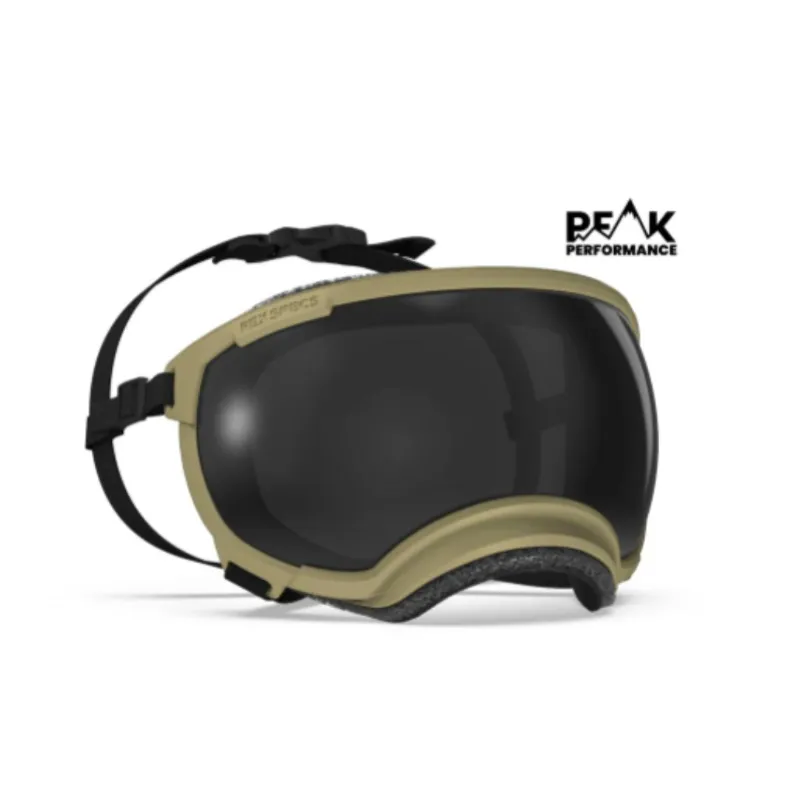
Yes, chihuahua goggles stay on during walks when you choose a pair with an adjustable chin strap and properly fit them to your dog's head. The key is finding goggles designed for small, short-snouted breeds with wide-set straps that distribute pressure without slipping.
We've tested dozens of dog goggles on small breeds, and the difference between a pair that slides off after two steps and one that stays put through an entire hike comes down to three factors: strap design, sizing accuracy, and a short acclimation period. Most owners give up too soon or buy goggles made for medium to large dogs, which never fit a Chihuahua's delicate skull properly.
Why Chihuahua Goggles Need a Different Fit
Chihuahuas have prominent eyes, steep foreheads, and narrow muzzles compared to breeds like Labs or German Shepherds. Standard dog goggles designed for working dogs often gap at the temples or press too hard on the bridge of the nose. We recommend chihuahua goggles specifically sized for toy breeds, with foam padding that conforms to a rounded skull and straps that anchor behind the ears rather than sliding forward.
The best designs use a three-point strap system: one across the forehead, one under the jaw, and adjustable side straps. This triangulation keeps the goggles stable when your dog shakes their head or runs. Single-strap models almost always fail on small breeds during active movement.
How to Size Dog Goggles for Small Breeds
Measure your Chihuahua's head circumference just behind the ears and across the forehead, then measure eye spacing from the outer corner of one eye to the outer corner of the other. Most toy-breed goggles fit heads between 8 and 12 inches in circumference. If your dog falls between sizes, choose the smaller size and use the adjusters—loose goggles will always slide.
- Foam seal test: the padding should touch skin all the way around the eye socket without pressing on the eyeball itself
- Nose bridge: should rest on bone, not cartilage; if it sits on the soft part of the nose, size down
- Strap tension: you should fit one finger under each strap when fastened; tighter risks chafing, looser risks slipping
Some owners find that dachshund goggles also work well for Chihuahuas, since both breeds share similar head proportions and eye prominence. Check the sizing chart and compare current models before ordering.
Training Your Chihuahua to Keep Goggles On
Even perfectly fitted goggles will come off if your dog paws at them constantly. We use a three-day desensitization process that builds positive associations before expecting your Chihuahua to walk in them.
Day one: let your dog sniff and investigate the goggles, then place them on their head for five seconds while offering high-value treats. Repeat four to five times. Remove the goggles before your dog protests.
Day two: fasten the straps loosely and distract your dog with play or a stuffed Kong for one to two minutes. If they paw at the goggles, redirect with a toy or command. Gradually increase duration to five minutes.
Day three: put the goggles on and immediately go for a walk. Movement distracts most dogs from the sensation on their face. Keep the first goggled walk short—ten minutes is enough. Reward calm behavior.
By day four, most Chihuahuas tolerate goggles for the full duration of a walk. According to the American Kennel Club's guidance on eye protection, gradual acclimation prevents long-term aversion and makes goggles a neutral part of the routine.
When Chihuahua Goggles Are Worth the Effort
We don't recommend goggles for every walk, but they're essential in specific conditions where eye injury risk is high. Chihuahuas have large, exposed eyes vulnerable to debris, UV damage, and drying wind.
Use goggles when:
- Hiking through brush, tall grass, or desert scrub where branches and seeds can scratch the cornea
- Walking in snow or on bright sand where UV reflection causes photokeratitis (snow blindness)
- Riding in a vehicle with open windows or in a dog backpack carrier at speed
- Managing a dog with chronic dry eye (keratoconjunctivitis sicca) who needs wind protection
If your Chihuahua squints, tears excessively, or rubs their face after outdoor time, goggles may solve the problem. Pair them with dog paw cream on rough terrain to protect both eyes and pads.
Comparing Goggle Styles for Toy Breeds
Not all small-dog goggles use the same lens or ventilation system. Here's how the main styles stack up for active Chihuahuas:
| Style | Best For | Fit Security |
|---|---|---|
| Foam-padded wrap | All-day comfort, training | High with chin strap |
| Hard-shell sport | High-speed wind, debris | Medium, needs tight fit |
| Mesh ventilated | Hot weather, short noses | Low, best for calm dogs |
Foam-padded models like those from specialty makers offer the most reliable fit for daily walks. Hard-shell goggles protect against impact but often gap on very small heads. Mesh styles allow airflow but the flexible frame slides more easily on active dogs.
We prefer shatter-resistant polycarbonate lenses over acrylic—they're lighter and won't splinter if your dog scrapes against a rock. Tinted lenses help in bright sun, but clear lenses work better in variable light and don't reduce your dog's depth perception.
Where to Buy and Save on Small-Dog Goggles
Rocky Mountain Dog carries goggle models specifically tested on toy and small breeds, including adjustable designs that fit both Chihuahuas and similarly sized dogs like Boston Terriers. You can grab the code for 10% off all orders, which applies to goggles and other gear like feeding mats or dog panniers if you're gearing up for trail adventures.
Before you buy, check the return policy—fit is hard to judge from photos alone, and you may need to try two sizes. Some owners keep both a foam-padded pair for training walks and a hard-shell pair for rugged hikes. Once your Chihuahua accepts the sensation, goggles become as routine as clipping on a leash.
The short answer: yes, chihuahua goggles do stay on during walks when you invest in the right fit and take a few days to acclimate your dog. We've seen dogs wear them comfortably on multi-hour hikes once the initial fussing phase is over. The payoff is real protection for those big, vulnerable eyes.
Frequently asked questions
How long does it take for a Chihuahua to get used to wearing goggles?
Most Chihuahuas accept goggles within three to four days of gradual desensitization. Start with five-second sessions paired with treats, then build up to short walks before expecting your dog to wear them comfortably for an hour or more.
Can I use the same goggles for a Chihuahua and a Boston Terrier?
Yes, if both dogs have similar head circumferences. Chihuahuas and Boston Terriers often share the same goggle size range (8 to 12 inches), but always measure each dog individually and adjust the straps for a secure fit.
Do dog goggles fog up during walks?
Foam-padded goggles with ventilation ports resist fogging better than sealed models. If fogging is an issue, look for designs with mesh panels or anti-fog coated lenses, and avoid using goggles in very humid conditions without airflow.
Will goggles protect my Chihuahua's eyes from UV damage?
Yes, quality dog goggles with UV-blocking polycarbonate lenses protect against sun damage. This is especially important on snow, water, or sand where UV reflection is intense and can cause photokeratitis.
What do I do if my Chihuahua keeps pawing at the goggles?
Redirect with a toy or treat the moment they lift a paw, and keep moving forward. Most dogs stop pawing once distracted by the walk itself. If pawing persists beyond the first week, check that the straps aren't too tight or the nose bridge isn't pressing uncomfortably.