
When to Use Dog Paw Cream: Cracked Pads, Winter Salt, and Hot Pavement

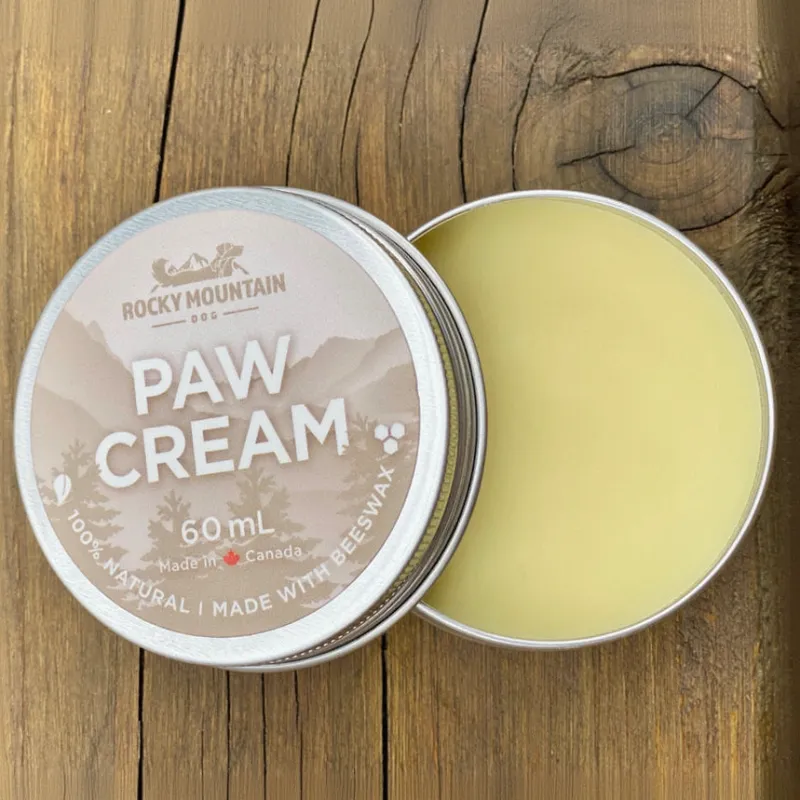
When to Use Dog Paw Cream: Cracked Pads, Winter Salt, and Hot Pavement
Dog paw cream is essential whenever your dog's pads face cracking, winter salt exposure, hot pavement burns, or seasonal irritation. We apply it preventively before harsh conditions and therapeutically when damage has already occurred. Knowing the exact timing and scenarios helps you protect your dog's paws year-round without over-applying or missing critical windows.
Apply Dog Paw Balm for Winter Salt and Ice
Winter poses the harshest threats to paw pads. Road salt, de-icing chemicals, and freezing surfaces all strip away natural oils and create painful cracks.
When to apply in winter:
- Before every walk when temperatures drop below freezing or when sidewalks have been salted
- After walks to rinse away salt residue, then reapply balm once pads are dry
- At bedtime during cold snaps, so the balm absorbs overnight without your dog licking it off
A quality dog paw cream creates a protective barrier that prevents salt crystals from embedding in the pads. We recommend applying it 10 to 15 minutes before heading outside so it can fully absorb. The AKC's guide to making your own paw balm offers a DIY recipe if you prefer natural ingredients, though store formulas often include beeswax and shea butter for superior cold-weather protection.
If your dog already shows cracked pads or limping after winter walks, switch to twice-daily application until the skin heals completely.
Protect Paws From Hot Pavement in Summer
Asphalt above 77°F can burn paw pads within 60 seconds. We use the back-of-hand test: if you can't hold your palm on the pavement for seven seconds, it's too hot for your dog.
Summer application schedule:
- Morning barrier coat before early walks when pavement is coolest
- Midday avoidance of all hot surfaces (walk on grass or wait until evening)
- Evening healing layer if pads look pink, dry, or sensitive after daytime exposure
Dog paw balm for winter formulas often work in summer too, but look for versions with added vitamin E or aloe if your dog has already sustained minor heat damage. For dogs spending time on boats, trails, or patios, check the latest price on protective balms that also guard against rough surfaces and UV exposure.
Treat Cracked and Dry Paw Pads
Cracked pads happen when the skin loses moisture faster than it can regenerate. You'll notice flaking, visible fissures, or bleeding in severe cases.
Treatment protocol:
- Clean the paw with warm water and pat dry
- Apply a thick layer of dog paw cream for cracked paws twice daily
- Use a dog bootie or sock for 20 minutes post-application to prevent licking
- Continue for 7 to 10 days, even after visible cracks close
Deep cracks need vet-recommended formulas with healing agents like calendula or coconut oil. The best dog paw cream absorbs quickly without leaving a greasy residue that attracts dirt. We've found that tested paw balms with natural waxes outperform petroleum-based options for long-term crack repair.
If cracking persists beyond two weeks or you see swelling and discharge, consult your vet to rule out infections or autoimmune conditions.
Soothe Paws Affected by Allergies
Environmental and contact allergies trigger constant paw licking, redness between toes, and inflamed pads. The best paw balm for dogs with allergies contains anti-inflammatory ingredients without common irritants like artificial fragrances or dyes.
Allergy-specific use:
- Apply after your dog comes inside from grass, pollen, or dusty areas
- Pair with a paw rinse to remove allergens before applying balm
- Use hypoallergenic formulas free of corn, soy, and wheat derivatives
- Reapply every 6 to 8 hours during peak allergy seasons
Dog paw balm for allergies works best when combined with an eating mat or feeding mats to reduce floor allergens your dog contacts while eating. If your dog's allergies extend to eye irritation during outdoor adventures, protective gear like chihuahua goggles or dachshund goggles can shield sensitive areas from pollen and wind.
For persistent itching, Chewy's paw itch relief selection offers medicated options alongside natural balms.
How Often to Apply Based on Activity Level
Application frequency depends on how much time your dog spends on rough or contaminated surfaces.
| Activity Level | Application Frequency | Best Timing |
|---|---|---|
| Indoor/light walks | 2-3 times per week | Before bed |
| Daily trail hikes | Once daily | Post-walk |
| Working/sporting dogs | Twice daily | Before and after activity |
| Recovery from injury | 3 times daily | Morning, afternoon, evening |
Active dogs running with dog panniers on long hikes need pre-treatment to prevent abrasion from increased weight and mileage. We always pack a small tin of balm on multi-day trips for touch-ups after stream crossings or rocky terrain.
Signs You Need to Start Using Paw Cream Now
Don't wait for visible damage. These early warning signs mean your dog needs protection:
- Excessive licking or chewing of paws
- Limping or favoring one foot after walks
- Pads that feel rough, dry, or warmer than normal
- Discoloration (darkening or unusual redness)
- Hesitation to walk on certain surfaces
Regular application prevents these issues from escalating into infections or chronic conditions. Grab the code for 10% off when you stock up on protective balm for every season.
How to Moisturize Dog Paws Naturally Between Applications
Between balm applications, natural moisture support keeps pads resilient:
- Hydration: Ensure your dog drinks enough water to maintain skin elasticity from the inside
- Paw soaks: Five-minute warm water soaks with colloidal oatmeal once weekly
- Diet: Omega-3 fatty acids from fish oil support overall skin health
- Surface variety: Rotate between grass, dirt, and pavement to naturally condition pads
Learning how to moisturize dog paws naturally complements commercial balms and reduces how often you need intensive treatments. For dogs with extreme sensitivity, consider whether other protective gear like a martingale dog collar for better walk control helps you avoid rough terrain entirely during healing periods.
We've seen the best results when owners treat paw care as preventive maintenance rather than crisis response. Apply balm consistently through seasonal transitions, after any unusual activity, and whenever your dog's pads look or feel different than normal.
Frequently asked questions
How often should I apply paw cream to my dog?
For general protection, apply paw cream 2 to 3 times per week. Increase to once or twice daily during extreme weather, after long hikes, or when treating cracked pads. Always apply before exposure to salt, ice, or hot pavement.
Can I use dog paw cream on open wounds or bleeding pads?
No, do not apply balm to open wounds or actively bleeding pads. Clean the area with warm water, apply veterinary wound care products if needed, and consult your vet. Use paw cream only after bleeding stops and for minor cracks or dryness.
Is paw balm safe if my dog licks it off immediately?
Most dog paw balms use pet-safe ingredients like beeswax, shea butter, and coconut oil that won't harm your dog if licked. However, distract your dog for 10 to 15 minutes after application so the balm can absorb. Use a bootie or engage them with a toy during this time.
What's the difference between summer and winter paw balm?
Winter formulas focus on creating a thicker barrier against salt and moisture, often with more beeswax. Summer balms may include aloe or vitamin E for heat damage and UV protection. Many all-season balms work year-round for general protection.
Should I apply paw cream before or after walks?
Apply before walks in winter or summer heat to create a protective barrier. Apply after walks if your dog encountered salt, chemicals, or allergens, but rinse paws first and dry them completely before reapplying balm.
Can paw balm help with my dog's allergy-related paw licking?
Yes, hypoallergenic paw balms can soothe irritation from environmental allergies when applied after rinsing away allergens. Look for fragrance-free formulas with anti-inflammatory ingredients. If licking persists beyond two weeks, consult your vet to address underlying allergies.