
Dog Panniers vs Backpacks: Which Is Safer for Hiking with Your Dog

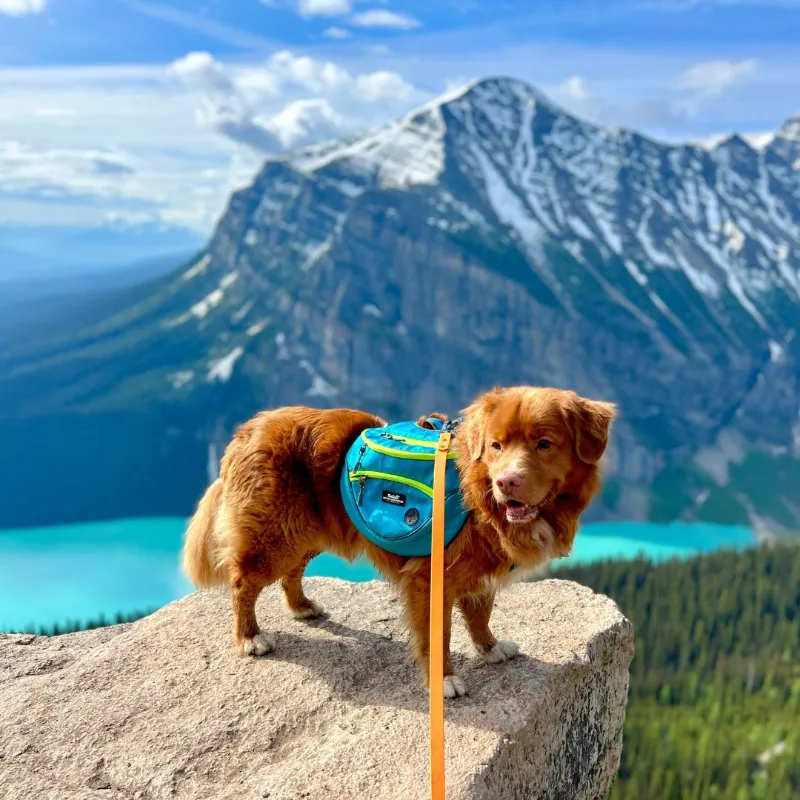
Dog Panniers vs Backpacks: Which Is Safer for Hiking with Your Dog
Dog panniers are generally safer for hiking because they distribute weight evenly on both sides of your dog's body, reducing spinal strain and improving balance on uneven terrain. Traditional backpacks often concentrate weight on top of the spine, which can cause discomfort and postural issues over long distances. We've tested both designs across different breeds and trail conditions, and the panniers consistently delivered better ergonomics and happier dogs at the end of the day.
How Weight Distribution Affects Your Dog's Spine
The key safety difference lies in how each design loads your dog's body. Backpacks stack gear vertically above the spine, creating a top-heavy center of gravity that your dog compensates for by adjusting posture. Over hours of hiking, this can strain the lower back and fatigue core muscles.
Panniers split the load into two balanced saddlebags that hang naturally on either side of the rib cage. This mimics how working dogs have carried supplies for centuries. The weight sits lower and closer to the dog's natural center of mass, so balance remains stable even when scrambling over rocks or navigating stream crossings.
For large breeds with strong backs, either option works if properly fitted. But for medium and smaller dogs, the spinal protection of dog panniers becomes critical. We pair ours with a martingale dog collar for leash control that doesn't add pressure to the trachea during steep climbs.
Field-tested reviews from experienced hikers consistently favor pannier designs for multi-day trips where cumulative strain matters most.
When a Dog Backpack for Hiking Makes Sense
Traditional dog backpack for hiking styles do have advantages in specific situations. Backpacks typically offer easier access to gear because you reach straight down from the top rather than unbuckling side pouches. If you need to grab water bottles or snacks frequently on shorter day hikes, a backpack can be more convenient.
Backpacks also work well for dogs with very broad chests or barrel-shaped bodies where panniers might swing or rub. Some working breeds naturally carry top-loaded weight without issue. And if your dog already wears a dog backpack harness for other activities, adding a compatible pack maintains familiarity.
The biggest consideration is hike duration. For outings under three hours with light loads (water and a few essentials), a quality backpack rarely causes problems. Beyond that threshold, we see more dogs showing signs of fatigue or resisting the pack.
Comparing Pannier and Backpack Designs
Here's how the two styles stack up across key safety and usability factors:
| Feature | Dog Panniers | Traditional Backpacks |
|---|---|---|
| Weight distribution | Even, bilateral | Centered on spine |
| Balance on trails | Stable, low center of gravity | Higher, can shift |
| Spinal strain | Minimal with proper fit | Moderate to high on long hikes |
| Gear access | Side buckles, slower | Top-down, faster |
| Best for | Multi-hour hikes, uneven terrain | Short outings, flat trails |
Both designs require proper fitting and gradual conditioning. Start with empty packs on 15-minute walks, then add weight incrementally over two to three weeks before attempting a full hike.
What to Pack and How Much Weight Is Safe
The 10-15% rule applies regardless of pack style: your dog should carry no more than 10% of body weight as a beginner, up to 15% maximum once fully conditioned. For a 60-pound dog, that's 6 to 9 pounds of gear including the pack itself.
Distribute weight equally between pannier sides, and pack denser items (food, first aid) low and close to the body. Leave collapsible bowls and lightweight items toward the top. We always include dog paw cream for trail-side paw protection when we encounter hot sand or rough rock.
Essential items for day hikes include water (the heaviest item), high-calorie snacks, a basic first aid kit, waste bags, and a collapsible bowl. For overnight trips, add your dog's food and a lightweight sleeping pad. Never pack items with sharp edges or hard corners that could dig in during movement.
Check the latest price on properly designed panniers that include internal dividers to prevent gear from shifting mid-hike.
Fitting and Adjusting for Safety
Both panniers and backpacks must fit snugly without restricting shoulder movement or breathing. Measure your dog's girth at the widest part of the rib cage, just behind the front legs, and compare against the manufacturer's size chart.
Key fit checkpoints include:
- Chest strap sits on the sternum without riding up into the throat
- Belly straps stay behind the rib cage, never cinching the abdomen
- Shoulder straps allow full front leg extension
- Loaded pack doesn't shift side to side when your dog shakes
- You can slide two fingers under every strap when fastened
Watch for rubbing on the first few hikes. Hair loss, redness, or your dog repeatedly trying to scratch the pack area signals a fit problem. Adjust straps or add padding before the next outing.
For dogs with deep chests (like many sporting breeds), look for dog backpack for large dogs sizing that accounts for the drop between spine and sternum. Shallow harnesses designed for compact breeds will ride up and chafe.
On technical trails, consider adding eye protection. We use dachshund goggles and chihuahua goggles sized appropriately to shield our dogs' eyes from dust and debris when the trail gets rugged.
Our Recommendation: Match Design to Your Trail
For weekend warriors tackling moderate trails with elevation gain, panniers offer the best combination of safety and carrying capacity. The balanced load keeps dogs comfortable over 4 to 8 hour outings, and the lower center of gravity prevents balance issues on uneven ground.
Choose a traditional backpack if your hikes rarely exceed two hours, stay on groomed trails, and you prioritize quick gear access over maximum weight distribution. This works especially well for urban hiking or nature walks where the pack serves more as a training tool than a serious load hauler.
Whichever style you choose, grab the code for 10% off your order. Quality construction with reinforced stitching and padded contact points makes a measurable difference in long-term durability and your dog's comfort.
Start with short training sessions, monitor your dog's behavior closely on early hikes, and adjust loads based on terrain difficulty. A properly fitted pack (whether panniers or backpack) should make your dog feel like a capable trail partner, not a pack mule. When we get the setup right, our dogs perk up when they see their gear come out because they associate it with adventure, not discomfort.
After long hikes, check paw pads for wear and apply protective cream before the next outing. Keep gear clean and dry between uses, and store packs with straps loosened to maintain elastic integrity. With proper care and smart loading, either design can serve you safely for years of trail miles together.
Frequently asked questions
Are dog panniers better than backpacks for hiking?
Dog panniers are generally better for hikes longer than three hours because they distribute weight evenly on both sides of your dog's body, reducing spinal strain. Backpacks work fine for shorter outings but can cause fatigue on extended trails.
How much weight can my dog safely carry in panniers or a backpack?
Start with no more than 10% of your dog's body weight, and never exceed 15% even for conditioned dogs. A 50-pound dog should carry 5 to 7.5 pounds maximum, including the weight of the pack itself.
Do I need a special harness for a dog backpack?
Most quality dog backpacks and panniers include an integrated harness designed to distribute weight properly. Separate harnesses can interfere with fit and create pressure points, so we recommend using the pack's built-in system.
Can small breeds use dog panniers safely?
Yes, but only if they weigh at least 20 pounds and are physically mature. Small dogs tire more quickly, so keep loads very light (closer to 8-10% of body weight) and limit hikes to moderate distances until you gauge their endurance.
How do I know if my dog's pack fits correctly?
A proper fit allows full front leg extension, doesn't shift when your dog shakes, and lets you slide two fingers under every strap. Watch for rubbing, hair loss, or your dog trying to scratch the pack, which signal fit problems.
Should I condition my dog before using a hiking pack?
Absolutely. Start with short 15-minute walks wearing an empty pack, then gradually add weight over two to three weeks. This builds the core and back muscles needed to carry loads safely on longer hikes.