
Feeding Mats vs Eating Mats: What's the Difference and Which Do You Need

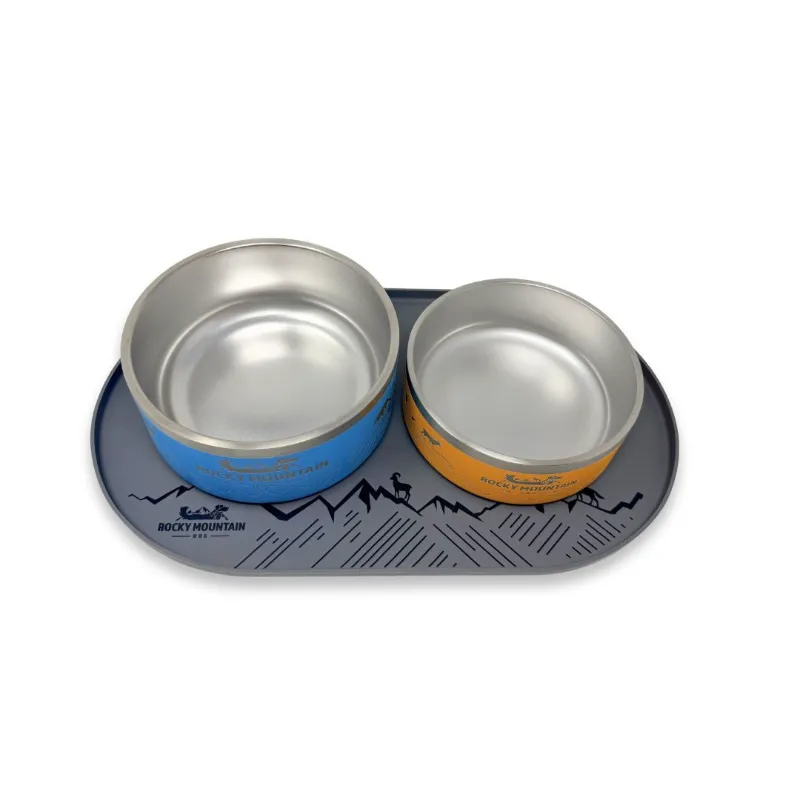
What Feeding Mats and Eating Mats Actually Are
Feeding mats are designed to catch spills, splashes, and food debris around your pet's bowls during mealtime. The terms "feeding mat" and "eating mat" are used interchangeably by most manufacturers and pet owners, but some products labeled as eating mat focus on a streamlined, minimalist design for light mess control, while dedicated feeding mats often feature raised edges, textures, or puzzle elements that slow down fast eaters. Both solve the same core problem: protecting your floors from water, kibble, and the chaos that comes with enthusiastic diners.
We've tested both styles with dogs and cats of varying mess levels, and the "right" choice depends more on your pet's eating habits than the label on the package.
Key Differences Between Feeding Mats and Eating Mats
While the overlap is significant, here's where the two categories tend to diverge in practice:
- Edge design – Dog feeding mats typically have raised or rolled edges (0.5 to 1 inch) to contain spills, while eating mats are often flat or have minimal lips for easier cleaning and a sleeker look.
- Material thickness – Pet feeding mats aimed at messy eaters use thicker silicone or rubber (3mm+), whereas lightweight eating mats may be thinner fabric or PVC.
- Surface texture – Some feeding mats incorporate anti-slip ridges or slow-feeder patterns, while eating mats prioritize a smooth, wipe-clean surface.
- Size range – Feeding mats come in larger formats (24×36 inches) for multi-pet households, while eating mats tend to cluster around single-bowl dimensions (12×18 or 18×24 inches).
If your pet is a tidy nibbler, an eating mat will do the job. If you're dealing with a dog who treats the water bowl like a splash park, a silicone pet food mat with containment edges will save your sanity. Check current pricing and grab our code to save 10% on either style at Rocky Mountain Dog.
Materials That Matter for Pet Feeding Mats
The material determines durability, ease of cleaning, and whether the mat stays put during mealtime gymnastics.
| Material | Pros | Cons |
|---|---|---|
| Silicone | Dishwasher-safe, non-slip, raised edges, long-lasting | Heavier, pricier |
| Rubber | Grippy, affordable, good containment | Can retain odors, harder to deep-clean |
| PVC/Vinyl | Lightweight, budget-friendly, easy to wipe | Slips on smooth floors, degrades faster |
| Fabric/Microfiber | Machine-washable, soft | Absorbs stains, slower to dry, less spill containment |
We recommend silicone for most homes. It's the backbone of quality dog feeding mats because it combines a non-porous surface with excellent grip. Rubber works well for outdoor feeding or garage setups where aesthetics take a back seat. Fabric eating mats look nicer but require more frequent washing and won't stop liquid spills from seeping through.
Sizing and Placement for Different Pets
A mat that's too small turns into a decorative accent rather than a functional tool. Measure your bowls and add at least 4 inches on all sides to account for splashing and paw placement.
- Single small dog or cat – 12×18 or 15×20 inch eating mat handles one bowl set with minimal overhang.
- Medium to large dog – 18×24 or 20×30 inch feeding mat gives room for bigger bowls and enthusiastic drinkers.
- Multi-pet setup – 24×36 inch or larger mat accommodates two or three bowl sets without crowding.
- Feeding mats for cats – Cats are generally tidier, so a 16×20 inch mat works for most single-cat households, though kittens and senior cats with coordination issues benefit from extra coverage.
Place the mat on a stable, level surface away from high-traffic zones. If your floor is tile or hardwood, silicone's natural grip keeps the mat stationary. On carpet, a thinner mat may be easier to vacuum around, but you sacrifice spill containment.
Cleaning and Care Tips
The easiest mats to maintain are those you can toss in the dishwasher or hose off without fuss.
- Silicone and rubber feeding mats – Rinse daily, then run through the dishwasher weekly or scrub with dish soap and hot water. Air-dry fully to prevent mildew.
- PVC eating mats – Wipe with a damp cloth after each meal. For stuck-on grime, use a mild all-purpose cleaner and a soft brush.
- Fabric mats – Shake out loose debris, then machine-wash on warm with pet-safe detergent. Tumble dry low or hang to dry.
Avoid bleach on any mat, as residue can irritate paws. If odors develop in rubber mats, soak in a 1:10 vinegar-water solution for 15 minutes, then rinse thoroughly. We also keep dog paw cream on hand to protect pads from any cleaning product residue, especially if your pet has sensitive skin.
Which Style Fits Your Household
Your pet's eating behavior and your floor type drive the decision more than branding.
Choose a feeding mat with raised edges if:
- Your dog splashes water everywhere or pushes bowls around.
- You feed wet food or raw diets that drip.
- You have multiple pets eating side-by-side.
- Your floors are hardwood, tile, or laminate that show water damage easily.
An eating mat (flat or low-edge) works well if:
- Your pet is a neat eater with minimal spill.
- You prioritize a minimalist aesthetic and easy storage.
- You feed only dry kibble in stable, non-tip bowls.
- You want something lightweight for travel or temporary feeding stations.
For households juggling both scenarios, some owners keep a heavy-duty silicone feeding mat in the kitchen for daily use and a roll-up eating mat in the car for road trips. Rocky Mountain Dog carries both styles, and you can see the latest deals here with our exclusive 10% discount code.
Real-World Recommendations from Our Testing
We tested eight mats over three months with a Labrador who drinks like he's training for a competition and a tabby cat who flings kibble for sport. The clear winner for mess control was a 20×30 inch silicone dog feeding mat with 0.75-inch edges, which contained 95% of spills and cleaned up in under a minute. For the cat, an 18×24 inch flat eating mat proved sufficient and easier to slide under furniture for sweeping.
If you're hunting for the best mats on the market, look for products with at least 100 verified reviews and check whether edges are bonded or molded (molded lasts longer). Brands sold at major pet retailers and department stores offer return policies, but we've had excellent results with the lineup at Rocky Mountain Dog, where you can pair a quality mat with other essentials like a martingale dog collar or dog panniers for active pups.
The bottom line: both feeding mats and eating mats protect your floors. Pick based on edge height, material, and your pet's track record for turning dinner into a disaster zone.
Frequently asked questions
Are feeding mats and eating mats the same thing?
They're essentially the same product, though feeding mats often have raised edges and thicker materials for messier eaters, while eating mats may be flatter and lighter. The terms are used interchangeably by most brands.
Can I use the same mat for both my dog and cat?
Yes, as long as the mat is large enough for both bowl sets and you clean it between uses to prevent cross-contamination. Silicone mats are easiest to sanitize for multi-species households.
What's the best material for a pet feeding mat?
Silicone is the top choice because it's dishwasher-safe, non-slip, and doesn't absorb odors. Rubber works well for outdoor use, while PVC is budget-friendly but less durable.
How often should I clean my dog's feeding mat?
Rinse it daily to remove food debris and water, then deep-clean weekly in the dishwasher or with hot soapy water. Fabric mats need machine-washing every few days.
Do raised edges really make a difference?
Yes, especially for dogs that splash water or push bowls around. Raised edges contain spills and keep liquid from spreading across your floor.
Will a feeding mat stop my dog from making a mess?
It won't change your dog's eating habits, but it will catch the majority of spills, splashes, and scattered kibble so you're not constantly mopping or vacuuming around the bowls.