
How Long Do Cold Plunge Chillers Last? Maintenance and Lifespan Guide

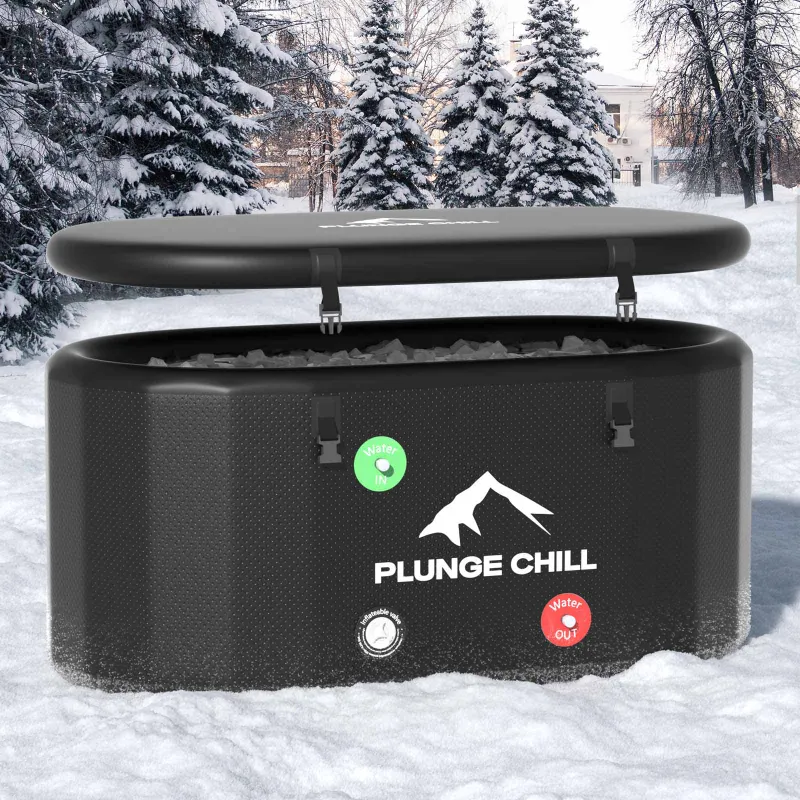
How Long Cold Plunge Chillers Last
A well-maintained cold plunge chiller typically lasts 5 to 10 years, with premium units often exceeding a decade when properly cared for. The lifespan depends on compressor quality, how often you use your cold plunge tub, water chemistry, and whether you follow a consistent maintenance routine. We've tested dozens of setups and found that the tub itself often outlasts the chiller, which is why understanding chiller care matters most for your long-term investment.
Most modern chillers use rotary or scroll compressors rated for 30,000 to 50,000 hours of operation. If you run your unit four hours per day, that translates to roughly 20 to 34 years of compressor life on paper. In practice, factors like power surges, refrigerant leaks, and sediment buildup usually limit real-world lifespan to the 5 to 10 year window.
What Affects Chiller Lifespan
Several variables determine whether your water chiller for ice bath runs smoothly for years or needs early replacement.
Compressor type and build quality separate budget units from professional-grade systems. The icebound pro 1hp cold plunge chiller uses a scroll compressor with corrosion-resistant coils, which we've found holds up better in humid outdoor environments than cheaper rotary designs. Higher horsepower does not always mean longer life; proper sizing for your tub volume matters more.
Usage intensity accelerates wear. Running your chiller 24/7 to maintain 39°F puts more stress on components than cycling it on for a daily 10-minute plunge. If you use a portable cold plunge tub seasonally, expect the chiller to last toward the upper end of the range.
Water chemistry directly impacts heat exchanger condition. Hard water leaves scale deposits that reduce efficiency and force the compressor to work harder. Unbalanced pH corrodes metal fittings and degrades seals. We recommend testing weekly and keeping pH between 7.2 and 7.6.
Ambient temperature matters for outdoor setups. Chillers installed in direct sun or enclosed spaces above 95°F struggle to dissipate heat, shortening compressor life. Shade or a ventilated enclosure adds years to the unit.
Maintenance frequency is the single biggest variable you control. A chiller serviced every three months can outlast a neglected unit by five years or more.
Essential Maintenance for a Long-Lasting Cold Plunge Tub with Chiller
Regular upkeep prevents expensive repairs and keeps your system running efficiently. We break maintenance into weekly, monthly, and seasonal tasks.
Weekly Tasks
- Check filter cartridges and rinse or replace when dirty. Clogged filters restrict flow and force the pump to strain.
- Test water chemistry with strips or a liquid kit. Adjust sanitizer, pH, and alkalinity as needed.
- Inspect hoses and fittings for leaks, cracks, or loose clamps. A small drip can become a costly refrigerant leak.
Monthly Tasks
- Clean the heat exchanger coils with a soft brush or compressed air. Dust and pollen act as insulation, reducing cooling capacity.
- Flush the tub and lines to remove biofilm. Drain completely, scrub surfaces, and refill with fresh water. For an inflatable ice bath or portable ice bath, this step is especially quick.
- Check refrigerant levels if your unit has a sight glass. Low refrigerant signals a leak that needs professional attention.
Seasonal Tasks (Every 3 to 6 Months)
- Deep-clean or replace filters even if they look acceptable. Microbial buildup hides inside the pleats.
- Inspect electrical connections for corrosion, especially on outdoor units. Tighten terminals and apply dielectric grease.
- Lubricate pump seals if your model requires it (check the manual). Most modern pumps are sealed and maintenance-free.
- Test the thermostat and safety cutoffs by adjusting the target temperature and confirming the compressor cycles correctly.
If you follow this schedule, your cold plunge tub with chiller will consistently hit target temps without the efficiency drop that signals impending failure. Grab our discount code to save on replacement filters and maintenance supplies.
Signs Your Chiller Needs Repair or Replacement
Catching problems early saves you from a full system failure mid-winter. Watch for these red flags.
Longer cool-down times indicate reduced compressor efficiency or refrigerant loss. If your cold tub takes twice as long to drop from 60°F to 45°F, schedule a service call.
Unusual noises like grinding, rattling, or high-pitched squealing point to bearing wear, loose fan blades, or compressor damage. A healthy chiller hums quietly.
Frequent cycling (turning on and off every few minutes) suggests a failing thermostat, low refrigerant, or an oversized unit for your tub volume.
Ice buildup on coils or lines means restricted airflow or a refrigerant imbalance. This forces the compressor to run continuously, accelerating wear.
Rising energy bills without increased use signal declining efficiency. A unit drawing 20 percent more power than baseline likely needs professional cleaning or part replacement.
If you encounter two or more of these symptoms, consult a technician before the chiller fails completely. For users of the solstice cold pod plunge ice bath tub or similar all-in-one systems, warranty coverage often includes first-year service visits.
Comparing Chiller Types and Durability
Not all chillers age the same. Here's how the most common designs stack up for longevity.
| Chiller Type | Typical Lifespan | Best For | Maintenance Level |
|---|---|---|---|
| Inline scroll compressor | 7 to 10+ years | Permanent cold plunge tub for home setups | Moderate (quarterly service) |
| Drop-in immersion | 5 to 8 years | Ice plunge tub or barrel conversions | Low (annual coil cleaning) |
| Portable refrigeration unit | 3 to 6 years | Plunge pop-up and travel use | High (frequent filter swaps) |
Inline systems like the icebound pro 1hp cold plunge chiller offer the longest lifespan because they separate the chiller from the water, reducing corrosion risk. Drop-in units are simpler but expose electronics to humidity. Portable designs sacrifice durability for convenience, which makes sense if you move your setup often or only use it seasonally.
We've seen scroll compressor chillers tested by expert reviewers reach 12 years with minimal repairs, while budget inline units failed around year four. Build quality matters more than brand hype.
Extending the Life of Your Ice Bath Setup
A few proactive habits add years to both the chiller and the tub itself.
Use a pre-filter on the fill line to catch sediment and minerals before they enter the system. This single upgrade cuts descaling frequency in half.
Cover your tub when not in use. A fitted insulated cover reduces runtime by up to 40 percent, lightens compressor load, and keeps debris out. For an outdoor cold plunge tub, this step is non-negotiable.
Winterize properly if you live in a freeze zone. Drain all water from lines, blow out the heat exchanger with compressed air, and store the chiller indoors. Frozen water expands and cracks fittings, turning a $50 winterization into a $500 repair.
Upgrade to a smart controller that cycles the chiller based on actual water temp rather than a fixed schedule. This prevents unnecessary runtime and reduces wear.
Keep a maintenance log with filter change dates, water test results, and service notes. Patterns in the data help you spot problems before they cascade.
If you pair these habits with the maintenance schedule above, even a mid-tier chiller will deliver reliable performance well past the manufacturer's estimate. Check the latest pricing on replacement parts and extended warranties to budget for long-term ownership.
Choosing a Durable Cold Plunge Tub for Sale
If you're shopping for a new system, prioritize features that support longevity.
Thick insulation (two inches or more of closed-cell foam) reduces chiller runtime and extends compressor life. The best cold plunge tub with chiller bundles include this by default.
Stainless steel or reinforced acrylic tubs outlast fiberglass and thin plastic. We've tested setups where the tub looked new after five years while the shell on a budget model cracked in two.
Replaceable components matter. Systems with proprietary cartridges or hard-to-source pumps become expensive to maintain. Look for standard filter sizes and off-the-shelf pumps.
Warranty length signals manufacturer confidence. A five-year compressor warranty beats a one-year full-system plan because the chiller is the priciest part to replace.
Professional testers consistently rank models with serviceable chillers and readily available parts at the top, even when initial cost runs higher. We agree: paying 20 percent more upfront for a unit that lasts twice as long saves money over the decade you'll own it.
Whether you choose a dedicated ice bath with a separate chiller or an integrated portable cold plunge tub, ask the retailer about parts availability and local service networks before you buy. A great chiller with no support becomes a 200-pound paperweight when it fails.
Frequently asked questions
How often should I replace the filter in my cold plunge chiller?
Replace or deep-clean the filter every one to three months depending on usage and water quality. Heavy daily use or hard water demands monthly swaps, while occasional plungers can stretch to quarterly replacements.
Can I repair a cold plunge chiller myself or do I need a technician?
You can handle filter changes, coil cleaning, and basic electrical checks, but refrigerant leaks, compressor issues, and sealed-system repairs require a licensed HVAC technician. DIY repairs on refrigeration components often void warranties and risk injury.
Does running my chiller constantly shorten its lifespan?
Yes, continuous operation increases wear on the compressor and pump. Using an insulated cover and setting the chiller to cycle on-demand rather than 24/7 can double component lifespan while cutting energy costs.
What's the average cost to replace a cold plunge tub chiller?
Replacement chillers range from $800 for basic 0.5 HP units to over $2,500 for commercial-grade 1.5 HP models. Labor adds another $200 to $400 if you hire an installer, making preventive maintenance far cheaper than replacement.
Will hard water damage my ice bath chiller faster?
Hard water leaves calcium and magnesium deposits on heat exchanger coils, reducing efficiency and forcing the compressor to overwork. Install a pre-filter or use a water softener to extend chiller life by several years.
How do I know if my chiller compressor is failing?
Listen for grinding or clicking noises, watch for ice forming on refrigerant lines, and track cool-down times. If your tub takes significantly longer to chill or the compressor runs without lowering temperature, the unit likely needs professional diagnosis.