
Water Chiller vs Ice: Which Is Better for Your Ice Bath?

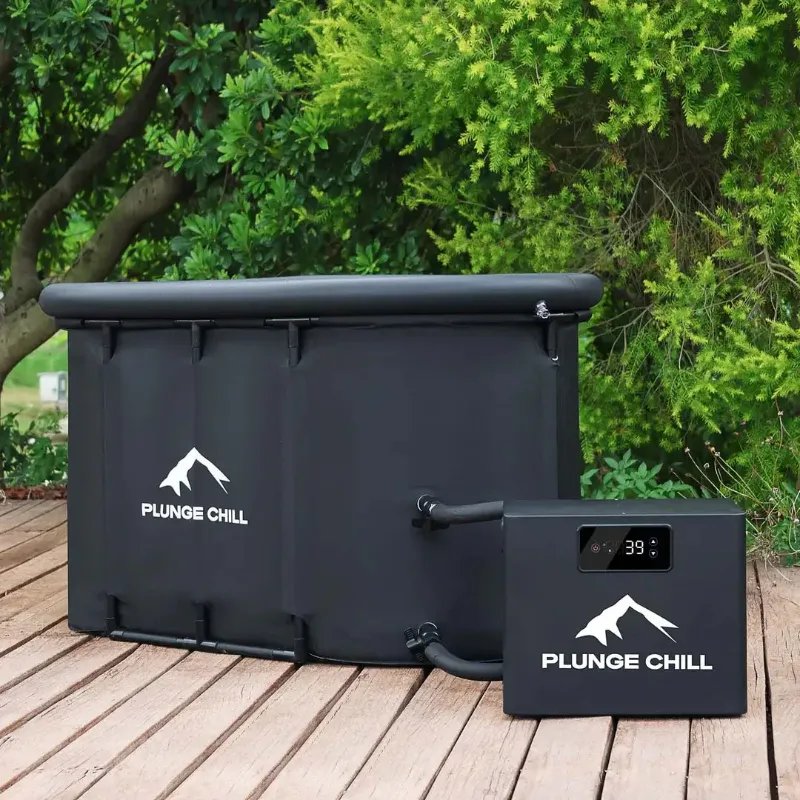
Water Chiller for Ice Bath vs Ice: Which Is Better?
A water chiller for ice bath delivers consistent temperature control without the need to buy, haul, or store bags of ice for every cold plunge session. For athletes and wellness enthusiasts who rely on cold therapy multiple times per week, a cold plunge chiller automates the process and pays for itself over time, while traditional ice remains the lower upfront cost for occasional users. Both methods work, but your choice depends on frequency, budget, and convenience priorities.
How a Water Chiller for Cold Plunge Works
A cold plunge chiller connects to your cold plunge tub via inlet and outlet hoses, circulating water through a refrigeration unit that drops the temperature to your target range—typically 37°F to 55°F. Most models include a built-in pump, digital thermostat, and filtration to keep the water clean across multiple sessions.
The icebound pro 1hp cold plunge chiller is a popular option that cools up to 120 gallons, maintains set temperatures automatically, and integrates with inflatable or rigid tubs. You fill the tub once, plug in the chiller, and the system holds your preferred cold without adding ice. For current pricing and to grab our discount code, visit the store page.
Key Benefits of a Chiller
- Set-and-forget temperature control that stays consistent across sessions
- No ice purchases or last-minute grocery runs
- Built-in filtration extends water life and reduces drain frequency
- Quiet operation compared to older compressor models
- Year-round use indoors or outdoors without weather dependency
Using Ice in Your Ice Bath: The Traditional Method
Traditional ice baths require 20 to 40 pounds of ice per session, depending on your ice plunge tub size and starting water temperature. You fill the tub with cold tap water, dump in bagged ice, wait 10 to 15 minutes for the mix to reach 50°F or below, then plunge. After each session, you drain or leave the water to warm, and the cycle repeats.
This method works well for beginners testing cold therapy or for anyone with occasional use. A portable ice bath pairs naturally with ice since you can set it up anywhere, fill from a hose, and break it down when done. Ice is immediately available at any grocery or convenience store, and there is no equipment investment beyond the tub itself.
Drawbacks of the Ice Method
- Recurring cost of $3 to $8 per session adds up quickly with frequent use
- Storage space needed for a chest freezer if you buy in bulk
- Temperature drift as ice melts during longer sessions
- Prep time to chill water before each plunge
- Inconsistent results if you estimate ice amounts incorrectly
Cost Comparison: Chiller vs Ice Over Time
A best water chiller for ice bath typically costs $800 to $2,000 upfront, while bagged ice runs $3 to $8 per session. If you plunge three times per week at $5 per session, you spend roughly $780 per year on ice. A mid-range water chiller for ice bath recovers its cost in 12 to 24 months and continues delivering free cold therapy after that, plus you save on electricity compared to constant ice production in a home freezer.
For casual users plunging once per week or less, ice remains the economical choice. For daily or near-daily routines, a chiller wins on both cost and convenience. Check the latest deals and our code to see current pricing on both chillers and tub bundles.
| Method | Upfront Cost | Per-Session Cost | Best For |
|---|---|---|---|
| Water Chiller | $800–$2,000 | $0 (electricity only) | Frequent users, year-round routines |
| Bagged Ice | $0 (tub only) | $3–$8 | Occasional use, beginners, travel |
Which Option Fits Your Routine?
Choose a Water Chiller If You
- Plunge three or more times per week
- Want precise, repeatable temperature control
- Prefer low-maintenance sessions without prep or cleanup
- Have dedicated space for a cold tub setup indoors or on a patio
- Value filtration and extended water life between drains
Stick with Ice If You
- Plunge once per week or less
- Need portability for travel, competitions, or outdoor events
- Want to test cold therapy before committing to equipment
- Have easy access to bulk ice or a chest freezer
- Prefer minimal upfront investment
A portable cold plunge tub or inflatable ice bath pairs well with either method. You can start with ice and upgrade to a portable water chiller for ice bath later as your routine solidifies.
Hybrid and DIY Water Chiller Options
Some users build a diy water chiller for ice bath using a small window AC unit, cooler, and aquarium pump. These setups cost $200 to $400 in parts and require basic electrical and plumbing skills. Performance varies, and most DIY builds lack the thermostat precision and durability of a commercial unit like the icebound pro 1hp cold plunge chiller, but they offer a middle ground for budget-conscious frequent plungers.
Another hybrid approach is to use a 1/2 hp water chiller for cold plunge paired with a smaller tub or plunge pop-up, which reduces water volume and chilling time. You can also supplement with a few bags of ice during heat waves or when you need a faster cool-down before the chiller catches up.
Maintenance and Long-Term Considerations
A water chiller with pump requires minimal upkeep: rinse the filter every two weeks, drain and refill the tub monthly, and wipe down hoses and connections. Most units run quietly and draw less power than a window air conditioner, adding roughly $10 to $20 per month to your electric bill.
Ice baths demand fresh water for each session if you skip a chiller, which increases water waste and utility costs. If you reuse water across multiple ice sessions, bacteria and biofilm build up quickly without filtration. A cold plunge tub with a chiller solves this by circulating and filtering continuously, keeping water crystal-clear for weeks at a time.
Our Recommendation
For anyone plunging more than twice per week, a water chiller for ice bath is the better long-term investment. It removes the friction of prep, delivers consistent results, and pays for itself within two years. If you are just starting out or plunge occasionally, ice remains the practical choice until your routine becomes a fixture. Either way, we recommend pairing your method with a quality ice bath designed for durability and thermal retention, and always check our discount code before you buy.
Frequently asked questions
How long does a water chiller take to cool an ice bath?
Most 1 HP chillers cool a 100-gallon tub from 70°F to 50°F in 3 to 5 hours. Smaller tubs or higher-powered units can reach target temperature in under 2 hours. Once cold, the chiller maintains temperature automatically.
Can I use a water chiller for ice bath outdoors?
Yes, as long as the chiller is rated for outdoor use and protected from direct rain or snow. Many models include weatherproof housings. Extreme heat or freezing temperatures may reduce efficiency or require seasonal storage.
Is ice or a chiller better for portable cold plunge tubs?
Ice is simpler for true portability since you can set up anywhere with a water source. A portable water chiller adds weight and requires power, but it is ideal for semi-permanent outdoor setups like patios or garages.
How much does it cost to run a cold plunge chiller per month?
Most 1 HP chillers draw 800 to 1,200 watts and add $10 to $20 per month to your electric bill, depending on local rates and how often the compressor cycles. This is far less than buying ice multiple times per week.
Do I need a filter if I use ice instead of a chiller?
Not for single-use sessions where you drain after each plunge. If you reuse water across multiple ice sessions, a separate filter or sanitizer is necessary to prevent bacteria growth.
What size chiller do I need for a 120-gallon cold tub?
A 1 HP chiller handles 100 to 120 gallons comfortably in most climates. For larger tubs or very hot environments, consider a 1.5 HP unit to maintain consistent temperature without overworking the compressor.