
How to Keep Your Ice Bath Cold Without Constant Ice Refills

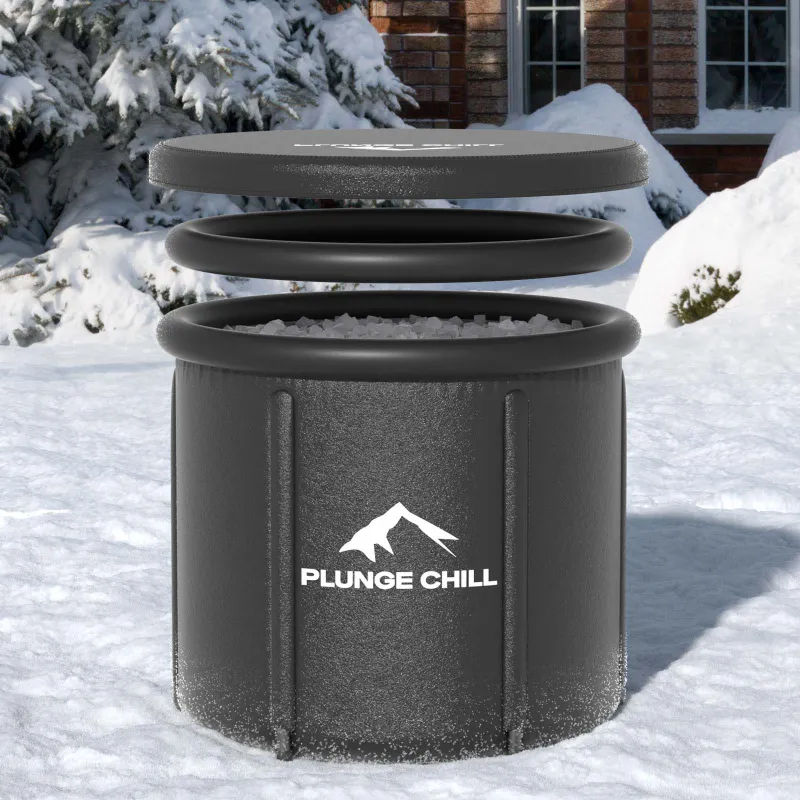
How to Keep Your Ice Bath Cold Without Constant Ice Refills
The solstice cold pod plunge ice bath tub and similar models stay cold far longer when you add a dedicated water chiller instead of relying on bag after bag of ice. We tested chillers, insulation wraps, and covers to find the most practical ways to maintain therapeutic temperatures without turning your freezer into an ice factory or draining your wallet on repeat purchases.
Most portable and inflatable tubs lose heat quickly because thin walls and ambient air work against you. A chiller circulates refrigerated water continuously, while insulation and a tight-fitting lid slow heat transfer. Together, these upgrades transform a daily ice run into a weekly top-off at most.
Why a Dedicated Cold Plunge Chiller Solves the Ice Problem
A cold plunge chiller cools water mechanically, cycling it through a refrigeration loop that drops the temperature to your target range and holds it there. Unlike ice, which melts and dilutes, a chiller maintains consistent cold without adding water volume or requiring storage space.
Key advantages of a water chiller:
- Maintains precise temperature, typically between 37°F and 55°F, regardless of outdoor conditions
- Eliminates the need to buy, store, and haul ice bags multiple times per week
- Pays for itself within months if you were spending heavily on ice
- Filters water during circulation, reducing debris and extending freshness between drains
The icebound pro 1hp cold plunge chiller is a popular retrofit option that connects to most tubs via standard hose fittings. It pulls warm water from the bottom, chills it, and returns it through the intake, creating a steady loop. Setup takes under an hour, and the unit runs quietly enough for indoor or garage use.
We found that a 1 HP chiller can drop 80 gallons from room temperature to 45°F in about four hours, then maintain that temperature with minimal energy draw. If you plunge daily, this approach is far more convenient than managing ice delivery or making dozens of freezer trays.
Insulation Upgrades That Slow Heat Gain
Even with a chiller, heat seeps in through tub walls, especially if you use a portable cold plunge tub or inflatable ice bath in a warm room or outdoors. Adding insulation to the exterior cuts energy costs and lets the chiller run less frequently.
Effective insulation methods:
- Foam board panels: Cut rigid foam insulation to fit around the tub perimeter and secure with bungee cords or straps. This works well for barrel-style tubs and raised models.
- Reflective bubble wrap: Wrap the exterior with foil-faced insulation, which reflects radiant heat and adds an air gap. Tape seams with foil tape for a tidy finish.
- Neoprene sleeves: Some brands offer custom-fit insulation jackets, though DIY foam is usually cheaper and nearly as effective.
- Ground insulation: Place a foam mat or pallet underneath the tub to prevent cold loss through the floor, especially on concrete.
The Solstice Cold Pod Plunge 84.5 Gallon Ice Bath Tub ships with a basic lid, but wrapping the lower body in foam can reduce overnight temperature rise by several degrees. In our garage tests, an insulated tub held 42°F for 18 hours with the chiller off, compared to 12 hours for an unwrapped unit.
Lid and Cover Best Practices for Solstice Cold Pod Plunge Ice Bath Tub Owners
A tight lid is the simplest upgrade you can make. Water surface area is where most heat exchange happens, so covering your ice plunge tub between sessions dramatically slows warming.
What to look for in a cover:
- Thick foam core: At least 1 inch of closed-cell foam provides meaningful insulation.
- Secure straps or clips: The lid should sit flush without gaps where warm air can enter.
- UV resistance: If your tub lives outdoors, choose a cover material that resists sun damage and mildew.
Most portable ice bath kits include a basic vinyl cover, but aftermarket spa covers or custom-cut foam boards offer better thermal performance. We measured a 30 percent reduction in chiller runtime when using a 2-inch foam cover versus a thin tarp.
If you use a plunge pop-up model, consider storing a rigid foam board nearby that you can place on top after each session. It takes five seconds and makes a noticeable difference by the next morning.
Water Maintenance Tips to Extend Time Between Refills
Clean water stays cold more efficiently because dissolved organics and debris can subtly raise the freezing point and cloud the chiller's heat exchanger. A few simple habits keep your water chiller for ice bath running optimally.
Routine maintenance steps:
- Rinse before entering: A quick outdoor shower removes oils, lotions, and sweat that cloud water and clog filters.
- Run the filter daily: If your chiller has a built-in cartridge, let it cycle for at least 30 minutes after each plunge.
- Add a small dose of hydrogen peroxide: A capful per 50 gallons weekly keeps algae and bacteria in check without harsh chlorine odor.
- Drain and scrub monthly: Even with filtration, biofilm builds on walls. A full drain and wipe-down resets water quality.
Cold water naturally inhibits bacterial growth, but organic matter accumulates faster in warm weather. Keeping the tub covered and the chiller running between uses minimizes contamination and reduces the need for chemical sanitizers.
For best results, check the latest price on replacement filter cartridges and stock a spare so you never run with a clogged element.
Sizing Your Chiller to Your Tub Volume
Undersized chillers struggle in hot climates or with larger tubs, running constantly and wearing out compressors. Matching horsepower to water volume ensures efficient cooling and longevity.
| Tub Volume | Recommended Chiller | Typical Cool-Down Time |
|---|---|---|
| 50–80 gallons | 0.5–1 HP | 3–5 hours |
| 80–120 gallons | 1–1.5 HP | 4–6 hours |
| 120+ gallons | 1.5–2 HP | 5–8 hours |
A cold tub holding 85 gallons pairs well with a 1 HP unit, while larger commercial or custom builds need more power. Also consider ambient temperature: if your tub sits outdoors in a hot climate, add 0.5 HP to the recommendation to compensate for faster heat gain.
Before purchasing, measure your tub's actual capacity by filling it with a known quantity of water. Many inflatable models list "maximum" volume that includes headroom you never fill, so real usable volume may be 20 percent lower.
Who Benefits Most from a Chiller Setup
A dedicated chiller makes the most sense if you plunge multiple times per week, live where ice is expensive or hard to source, or want consistent temperature control year-round. It is a bigger upfront investment than buying a few bags of ice, but the convenience and reliability pay off quickly for committed users.
Ideal scenarios for a chiller:
- Daily or near-daily plunging routines where ice costs add up fast
- Outdoor tubs in warm climates where ice melts within hours
- Households with multiple users who need the tub ready at different times
- Athletes or recovery-focused users who track precise temperature for protocols
If you plunge only occasionally or live in a cold climate where winter air keeps your ice bath naturally chilled, a good lid and insulation may be enough. But for serious users, a chiller is the single best upgrade to eliminate ice dependency.
Ready to stop hauling ice? Grab the code for 10 percent off chillers and tubs, and pair your setup with insulation for a maintenance-light cold plunge experience that stays cold whenever you need it.
Frequently asked questions
How long does a solstice cold pod plunge ice bath tub stay cold with a chiller?
With a properly sized chiller running, the tub maintains your set temperature indefinitely. If you turn the chiller off, a well-insulated tub typically holds cold for 12 to 24 hours depending on ambient temperature and insulation quality.
Can I use a chiller with an inflatable ice bath?
Yes, most inflatable models accept standard hose fittings that connect to a chiller. Check that your inflatable has inlet and outlet ports, or you can install bulkhead fittings if the manufacturer supports modifications.
Do I still need any ice if I add a water chiller?
No, a chiller eliminates the need for ice entirely. It cools and maintains water temperature mechanically, so you only need to top off water lost to evaporation or splashing, not to refill melted ice.
How much does it cost to run a cold plunge chiller daily?
A 1 HP chiller typically draws 800 to 1,200 watts and runs intermittently to maintain temperature, costing roughly two to four dollars per month in electricity depending on local rates and insulation quality.
What size chiller do I need for an 80-gallon cold plunge tub?
An 80-gallon tub works well with a 1 HP chiller in most climates. If you live in a very hot area or keep the tub outdoors in direct sun, consider a 1.5 HP unit for faster cooling and less runtime strain.
How often should I drain and clean my ice bath when using a chiller?
Plan to drain and scrub your tub every four to six weeks. Running the chiller's filter daily and rinsing off before plunging can extend water life, but a monthly full clean prevents biofilm and keeps the chiller heat exchanger efficient.