
Portable Ice Bath vs Inflatable Ice Bath: Which One Should You Buy?

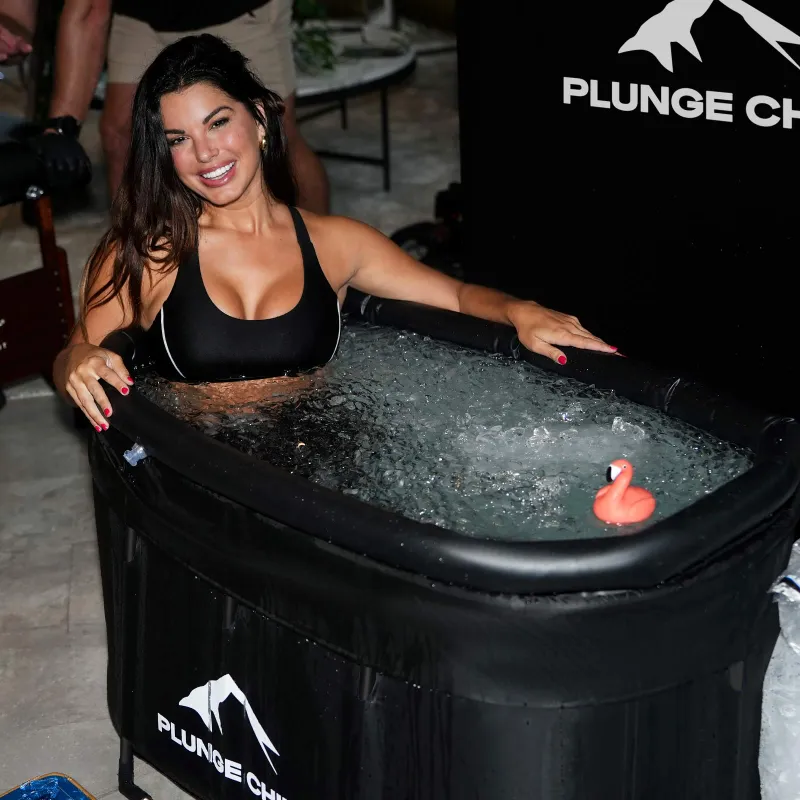
A portable ice bath typically features semi-rigid or rigid walls with built-in insulation, while an inflatable ice bath uses air chambers you pump up before each session. Both let you cold plunge at home without permanent plumbing, but they differ in durability, insulation, pack-down size, and price. We tested both styles to help you decide which fits your recovery routine.
What Makes a Portable Ice Bath Different from an Inflatable?
The core distinction is construction. A portable ice bath usually has a reinforced fabric shell or semi-rigid sidewalls that hold their shape when filled. Many models include foam or multi-layer insulation to keep water cold longer, and some accept a cold plunge chiller to maintain temperature across sessions. You fold or roll them for storage, but they remain bulkier than inflatables.
An inflatable ice bath relies on inflatable rings or walls that you blow up with a pump. Once deflated, it packs into a backpack-sized bag, making it the lightest option for travel. The trade-off is thinner walls, less insulation, and a higher chance of punctures if you set it up on rough ground.
Insulation and Water Temperature Control
Keeping water below 59°F without constantly adding ice is where rigid portable models shine. A portable cold plunge tub with layered insulation can hold cold water for two to four hours, especially if you cover the top. Pair it with an icebound pro 1hp cold plunge chiller and you maintain your target temperature indefinitely, cutting your ice bill to zero.
Inflatables typically use single-wall PVC or drop-stitch fabric with minimal insulation. Water warms faster, so you'll add more ice per session or run a water chiller for ice bath use. If you plunge daily, that extra ice expense adds up. For occasional weekend recovery, an inflatable with a few bags of ice works fine.
Durability and Setup Time
Rigid-shell portable tubs handle rougher surfaces and resist punctures better. We set up a cold plunge tub on concrete and gravel without worry. Most unfold in under two minutes and hold 60 to 100 gallons. Cleaning is straightforward: dump, wipe, and air-dry.
Inflatables need a smooth surface or a ground tarp to avoid valve or seam damage. Inflation takes three to five minutes with an electric pump. The plunge pop-up and similar models use durable TPU fabric, but any sharp object near the sidewall is a risk. Patch kits help, but a mid-session leak ends your plunge.
For everyday athletes and home users, a semi-rigid ice plunge tub balances portability and toughness. If you camp, travel for events, or store the tub in a small apartment, an inflatable's pack size may outweigh the durability trade-off.
Price and Long-Term Cost
Entry-level inflatables start around half the price of a quality portable tub. A basic inflatable ice bath ships for less than most rigid models, and you can start cold therapy on a tight budget. However, add up weekly ice purchases, and the gap narrows. Over a year, spending on bags of ice can exceed the upfront savings.
Rigid portable tubs cost more initially but pair seamlessly with a chiller. The solstice cold pod plunge ice bath tub and similar insulated designs let you run a small 0.5 to 1 HP chiller year-round, eliminating ice costs entirely. For daily plungers, that ROI hits within six to twelve months.
Grab the latest discount code to save 10% sitewide, whether you choose rigid or inflatable.
Best Portable Ice Bath Options for Different Needs
| Use Case | Best Style | Why |
|---|---|---|
| Daily home plunging | Rigid portable with chiller | Holds temp, no ice refills |
| Weekend recovery | Inflatable | Low upfront cost, easy storage |
| Travel & events | Inflatable | Packs smallest, lightest |
| Outdoor / rough terrain | Rigid portable | Puncture-resistant, stable |
If you plunge three or more times per week, invest in a cold tub with insulation and a chiller hookup. You'll spend less time hauling ice and more time recovering. Weekend warriors and beginners benefit from an inflatable that stores in a closet and doesn't demand a dedicated spot in the garage.
Which Ice Bath Tub for Adults Fits Your Space?
Measure your setup area before you buy. Most portable and inflatable models are round or oval, 75 to 85 cm in diameter, and 75 cm tall. That footprint fits a standard bathroom, patio corner, or garage bay. Rigid tubs may need 10 cm of clearance on each side for unfolding, while inflatables expand snugly into their final shape.
Check current inventory and pricing to compare dimensions across models. If you have a small balcony or studio apartment, an inflatable gives you the flexibility to deflate and stash it under a bed. Larger homes with garage or outdoor space can accommodate a semi-rigid ice bath that stays set up between sessions.
Our Recommendation
Choose a rigid portable ice bath if you plunge regularly, want built-in insulation, and plan to add a chiller. The upfront investment pays off in ice savings and consistent water temperature. Pick an inflatable ice bath if you travel often, have limited storage, need the lowest entry price, or only cold plunge occasionally. Both styles work for effective cold therapy; your decision hinges on frequency, space, and whether you value pack-down size over long-term durability.
For more independent testing and reviews, Garage Gym Reviews has personally evaluated dozens of models. We update our recommendations as new products launch, so bookmark this guide and revisit when you're ready to buy.
Frequently asked questions
Can I use a water chiller with any portable ice bath?
Most rigid portable tubs accept a chiller via a standard hose fitting, but check the manufacturer's specs for inlet and outlet port sizes. Inflatables typically lack built-in ports, so you'll need an adapter or external loop setup.
How long does water stay cold in an inflatable ice bath without a chiller?
Expect one to two hours in typical room temperature conditions. Adding a reflective cover or placing the tub in shade extends cold retention by 30 to 60 minutes.
Which is easier to clean and maintain?
Rigid portable tubs wipe clean quickly and dry faster because they hold their shape. Inflatables require full deflation and careful drying to prevent mold in the air chambers.
Do I need a pump for a portable ice bath?
Rigid portable models do not require inflation, so no pump is needed. Inflatable ice baths need an electric or manual pump, often included with purchase.
What is the best portable ice bath for daily use?
A rigid insulated model paired with a cold plunge chiller offers the best experience for daily plunging. It maintains consistent temperature, eliminates ice costs, and withstands frequent setup cycles.
Can I leave a portable ice bath set up outdoors year-round?
Rigid tubs tolerate outdoor use better, but UV exposure and freezing temps can shorten lifespan. Store or cover them when not in use. Inflatables are not designed for permanent outdoor installation.