
Common Watch Winder Problems That Can Damage Luxury Watches (and How to Avoid Them)

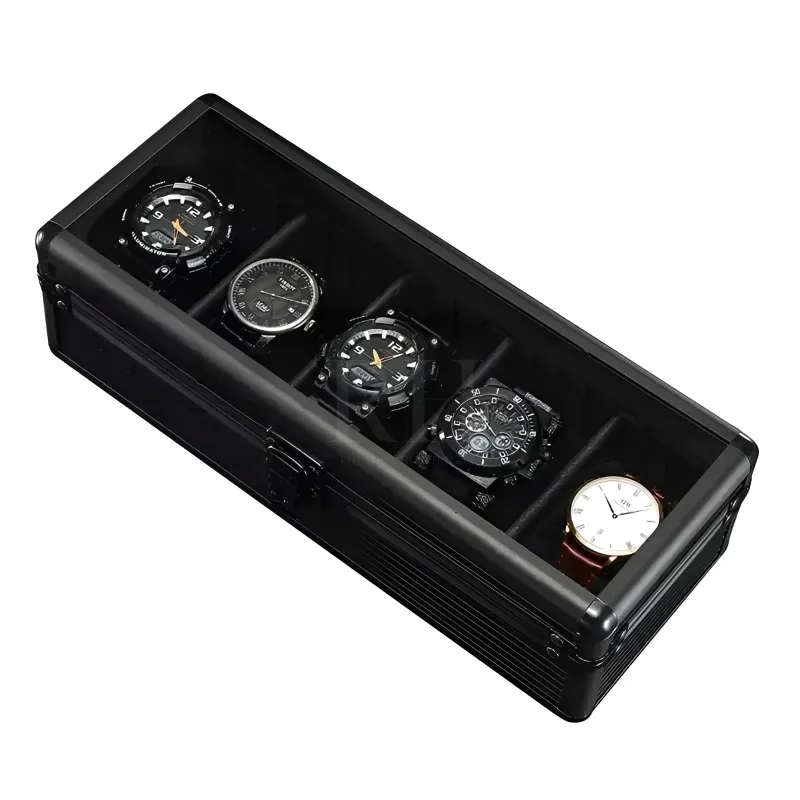
Watch winders keep automatic watches running when you're not wearing them, but the wrong settings, a cheap motor, or poor maintenance can do real damage to the watches inside. Overwinding stress, magnetized movements, and dust buildup are the three most common ways a winder turns a convenience into a repair bill.
We test winders against watches from the best luxury watch brands, and we've seen firsthand how small setup mistakes cause big problems. Here's what goes wrong and how to avoid it, including how we set up the revolving watch box and spinning watch case for long-term storage.
Why Poor-Quality Winders Damage Fine Watches
A watch winder's job sounds simple: rotate the watch so the mainspring stays wound. But a poorly built winder can harm a movement in several ways:
- Constant overwinding. Watches from the top 10 luxury watch brands have slip-clutch mechanisms that prevent the mainspring from breaking, but keeping a movement at full tension 24/7 accelerates wear on the barrel and gear train.
- Magnetic fields. Cheap motors generate magnetism. A magnetized balance spring makes a watch run fast or stop entirely, and demagnetizing requires a trip to a watchmaker.
- Vibration. Low-end motors vibrate. Over months, that vibration can loosen screws and degrade lubricants inside the movement.
- Dust and static. Open winders collect dust that works its way into the case through the crown tube.
This matters most if you own pieces from the best luxury watch brands for men, where a single service can cost hundreds of dollars. If you're still choosing a watch to pair with your winder, our roundup of best luxury watch brands covers which movements tolerate winding best, and this guide to the hierarchy of luxury watches explained is a solid primer on how brands stack up.
Setting the Right Turns Per Day (TPD)
Every automatic movement has a winding direction and a TPD range. Too few turns and the watch stops; too many and you stress the mainspring. As a general rule:
- Check your watch's recommended TPD (most modern automatics sit between 650 and 1,000).
- Set the winder to the *lowest* setting that keeps the watch running overnight.
- Match the rotation direction: most watches wind clockwise or both directions, but a few are counterclockwise only.
- Use a program with rest periods rather than continuous rotation if your winder offers it.
Both the revolving watch box and the spinning watch case offer adjustable TPD and directional settings, which is exactly what you want. If you store several pieces, including relojes caros with different movement requirements, per-cup settings matter more than capacity.
Overwinding and Continuous Rotation Myths
A persistent myth says winders overwind automatic watches and break the mainspring. In a modern watch, that's nearly impossible: the slipping bridle on the mainspring releases excess tension. The real risk is subtler. A movement held at constant full wind wears its components faster than one that cycles between wound and partially wound states.
Our recommendation: run the winder on an intermittent program (for example, winding a few hours, then resting) rather than 24/7 rotation. Your watch stays set, and the movement gets downtime. This is one reason we favor programmable units over basic plug-in turners.
Fit, Cushioning, and Watch Position
A loose watch in a winder cup is a recipe for scratches and, worse, a dropped watch. Getting fit right is simple:
- Use the right cushion size. Most winders include flexible cushions; compress them until the watch is snug with no wobble.
- Don't overstretch the bracelet. A bracelet forced to full extension for months can wear out its links and screws faster.
- Secure the clasp. An open clasp spinning at speed will scratch the case and anything nearby.
- Check strap material. Leather straps age faster under constant tension; consider a fabric or rubber strap for watches living in the winder.
If your collection includes larger brand expensive watches, confirm the winder's cup and clearance fit the case diameter and weight before buying.
Noise, Heat, and Where to Place Your Winder
Motors generate heat, and heat degrades lubricants. Two practical rules:
- Ventilation: don't enclose a winder in a sealed cabinet without airflow. A revolving watch box with a vented or glass lid dissipates heat far better than a foam-lined drawer.
- Placement: keep the winder away from speakers and electronics. Magnetic fields from speakers can magnetize your movements, undoing everything else you did right.
Noise matters too. Cheap gear motors whine, and if your winder lives in a bedroom, you'll hear every cycle. Quieter motors are one of the main upgrades you pay for in better winders, and it's worth it.
Maintenance: Keep the Winder as Clean as the Watch
Winders need light maintenance to stay safe for your watches:
- Dust the interior monthly. Use a soft brush or microfiber; compressed air can blow dust deeper into the mechanism.
- Wipe the cushions. Skin oils transfer to cushions and then to straps.
- Check fasteners. Retighten cup screws and mounting hardware every few months.
- Listen for changes. A new grinding or clicking noise means the motor or gears need attention before something fails mid-cycle.
- Service the watch normally. A winder is not a substitute for regular movement servicing; manufacturers still recommend service intervals based on time, not runtime.
Which Watches Should (and Shouldn't) Go on a Winder
Not every watch benefits:
- Good candidates: automatic watches with complications like calendars, moonphases, and world timers, where resetting is tedious.
- Poor candidates: hand-wound watches (a winder won't wind them properly), quartz watches (they don't need it), and vintage automatics with fragile rotors or dried lubricants, which a watchmaker should assess first.
- Skip it if you wear it daily. If a watch spends more time on your wrist than in a drawer, the winder adds wear without benefit.
Getting Started Without Overspending
A quality winder costs less than one service on a fine movement, so it's a sensible accessory for any automatic collection. Rotation Horlogère is currently running a promotion on its winders, and you can check the latest price and grab the code before ordering. If you're building out a collection to fill it, our guides to the best luxury watch brands and top picks for relojes caros are good next reads, and this overview of the world's most expensive watch brands puts the top tier in context.
The short version: pick a programmable winder with a quiet motor, set conservative TPD with rest periods, fit the watch snugly, keep it clean and ventilated, and your watches will thank you every time you pick one up already running and set.
Frequently asked questions
Can a watch winder overwind and damage my automatic watch?
Not on a modern automatic. Slip-clutch mechanisms prevent the mainspring from breaking, but constant full-tension winding accelerates wear on the movement, so use an intermittent program with rest periods.
How do I choose the right watch winder for luxury watches?
Match the watch's recommended turns per day and rotation direction, then use the lowest setting that keeps it running overnight. Both the revolving watch box and spinning watch case let you set TPD and direction per watch.
Should I put every watch on a winder?
No. Hand-wound and quartz watches don't benefit, and vintage automatics with fragile rotors or aged lubricants should be assessed by a watchmaker before going on a winder.
Can a cheap watch winder magnetize my watch?
Yes, if the motors are unshielded or you place the winder near speakers or electronics. Keep the winder away from magnetic sources, and if a watch suddenly runs fast, have it demagnetized.
How do I stop my watch from getting scratched in the winder?
Make sure the cushion is compressed enough that the watch doesn't wobble, don't force a bracelet to full extension for months, and close the clasp before starting the rotation cycle.
Is there a discount code for Rotation Horlogère watch winders?
Yes, Rotation Horlogère currently offers a 10% discount on all orders. Check the store coupon page for the current code before ordering.