
How to Store Expensive Watches Safely at Home

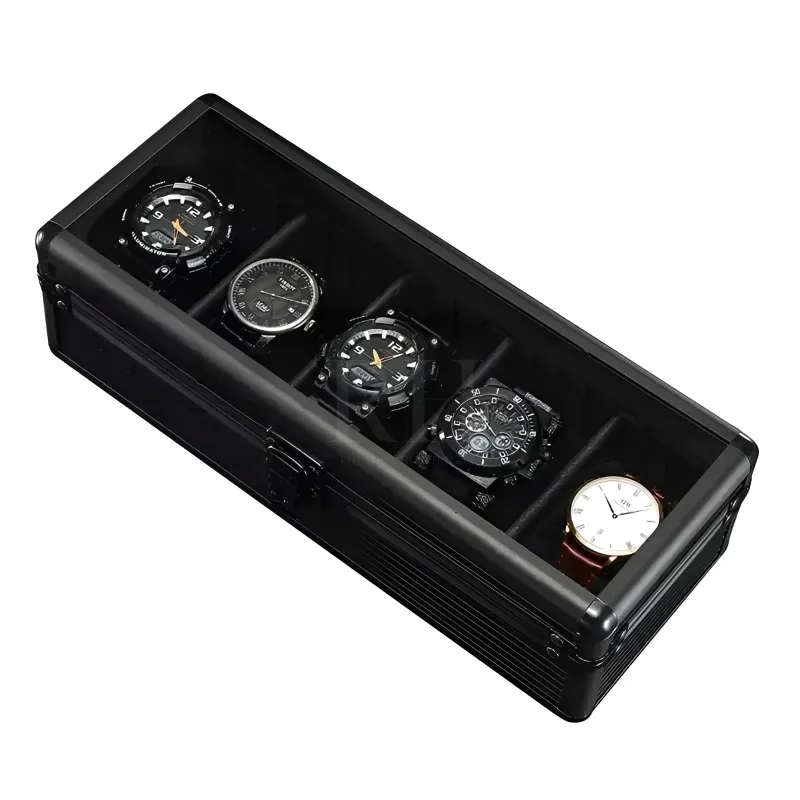
The safest way to store brand expensive watches at home is a dedicated, cushioned storage solution like a revolving watch box or spinning watch case, kept away from sunlight, moisture, magnets, and temperature swings. A drawer might seem fine, but it exposes your watches to scratches, dried-out lubricants, and stopped movements. Below, we break down exactly how to store brand expensive watches properly, whether you own one heirloom or a growing collection of the best luxury watch brands.
Why Watch Storage Matters More Than You Think
Mechanical watches are small machines with dozens of moving parts running on thin films of oil. How you store them directly affects accuracy, longevity, and resale value.
- A stopped movement is not harmless. Leaving an automatic watch dead for weeks lets lubricants settle and can complicate servicing later.
- Crowded storage causes scratches. Watches knocking against each other is the most common cause of avoidable case and crystal damage.
- Environment is the silent killer. Humidity causes rust, direct sunlight fades dials and straps, and household magnets from speakers, laptops, and fridge doors can disrupt accuracy.
If you have invested in relojes caros or anything from the major Swiss houses, storage is not an accessory purchase. It is protection for the watch itself. Collectors who want a sense of what their pieces are worth protecting can browse this overview of luxury watch brands worth the investment.
Winder vs Static Storage: Which One Do You Need?
The biggest storage decision is whether your watches should be kept moving or left to rest. Here is how the two approaches compare:
| Revolving watch box (winder) | Static storage (case or drawer) | |
|---|---|---|
| Best for | Automatic watches you rotate wearing | Manual, quartz, and rarely worn pieces |
| Keeps movement | Yes, winds automatically | No, watch stops until worn |
| Complication settings | Preserved (date, moonphase, GMT) | Must be reset each time |
| Main benefit | Convenience and movement health | Simplicity, no power needed |
| Main drawback | Needs power, correct TPD setting | Watches sit still and stop |
A quality revolving watch box solves the "dead watch" problem for automatics. If you rotate between two or three automatic watches, a winder means each one is always wound, set, and ready to wear. For those with larger collections or limited shelf space, a compact spinning watch case delivers the same benefit in a smaller footprint.
Our advice: winder your most complex automatics (perpetual calendars, moonphases, GMTs), and store manual winders and quartz pieces statically. There is no harm in a hand-wound watch stopping.
How to Use a Revolving Watch Box the Right Way
A winder only protects your watch if you use it correctly. Follow these steps:
- Check the turns per day (TPD) requirement. Most automatic movements need roughly 500 to 1,000 turns daily. Set your winder to the manufacturer's recommendation for your movement, or choose a directional setting (clockwise, counterclockwise, or bidirectional) that suits it.
- Wind down, not up. The winder should maintain a comfortable wind level, not keep the mainspring fully tight around the clock. Look for a unit with rest periods built into its rotation program.
- Use the right cushion fit. The pillow should hold the watch snugly so it does not slide or rattle. An oversized cushion on a small wrist watch stretches the strap over time.
- Position dials away from UV. Even indoors, sunlight through a window can fade dials and hands. Place the winder out of direct light.
- Keep it powered safely. If your unit runs on AC, route cables neatly. Battery-powered models should be checked periodically so a dead battery does not leave you thinking the watch is at fault.
If you are unsure how your specific movement likes to be wound, the safest universal setting is a bidirectional program with intermittent rest, which mimics natural daily wear. For help choosing a unit sized to your collection, check the current options and grab the code to save on your first order.
Materials and Placement: Where NOT to Store Your Watches
The surface your watches rest on and the room they live in matter as much as the container.
- Avoid leather-lined boxes in humid rooms. Damp bathrooms and basements promote rust and mold. Choose a dry, stable room at normal room temperature.
- Felt, suede, and soft-touch lining are your friends. These cushion the case and wick away micro-scratches.
- Keep watches away from magnets. Maintain distance from speakers, tablet cases with magnetic clasps, and induction cooktops.
- No direct sunlight or radiators. Heat degrades gaskets and dries out oils; UV bleaches dials and leather straps.
- Store on the pillow, not the strap clasp. Buckles pressed shut for months can deform straps.
A watch roll works fine for travel, but for home storage of valuable pieces, a rigid case with individual cushions prevents any two watches from ever touching. If you want to see what a purpose-built unit looks like, you can check the latest price on the Rotation Horlogère range with our discount code applied.
Who Should Buy a Spinning Watch Case?
Not every collector needs a winder, and being honest about this saves money.
- Buy a spinning watch case if: you own two or more automatic watches, you wear different pieces on different days, or you own a complicated watch (perpetual calendar, moonphase) you hate resetting.
- Skip the winder if: your collection is mostly quartz, hand-wound, or you happily reset a simple date every time you pick a watch up.
- A middle path: wind one or two everyday automatics and keep the rest in a static case. You do not need to keep every watch alive, only the ones where stopping costs you time or setup.
If you are still deciding which timepieces deserve that level of care, this guide to the hierarchy of luxury watches is a good primer on where different brands sit, and GQ's rundown of the world's best watch brands covers the household names.
Quick Storage Care Checklist
Run through this every few months:
- Check TPD settings and any batteries on winders.
- Inspect cushions and lining for wear.
- Wipe cases with a soft, dry cloth before storing (skin oils corrode over time).
- Rotate watch positions so no piece sits untouched for a year.
- Keep a small silica gel packet in the case in humid climates.
- Note service intervals and store papers together in a separate safe.
The Bottom Line
Store brand expensive watches in a dedicated, lined case away from heat, light, magnets, and moisture, and put your automatics on a properly programmed winder so they are always ready to wear. A revolving watch box for daily rotation and a secure static case for the rest of the collection covers nearly every situation. Ready to upgrade your storage? See the full Rotation Horlogère lineup and grab the code for 10% off all orders.
Frequently asked questions
How many turns per day does my automatic watch need on a winder?
Most modern automatic movements need roughly 500 to 1,000 turns per day. Check your movement's specification, and when in doubt use a bidirectional program with built-in rest periods, which mimics natural daily wear.
Can a watch winder overwind and damage my watch?
Yes, as long as you use the movement's recommended TPD setting and choose a unit with rest periods. Constant full-tension winding is what causes unnecessary wear, not winding itself.
Is it safe to keep my watches in the bathroom or on a windowsill?
It is not recommended. Bathrooms are humid and that moisture leads to rust and degraded gaskets over time. Store watches in a dry room at stable room temperature.
Do I really need a spinning watch case, or is a drawer fine?
Yes, for automatics you rotate between. A spinning watch case keeps each movement wound and complications like date and moonphase set. For quartz or hand-wound pieces, a static lined case is all you need.
What is the difference between a revolving watch box and a regular watch case?
A revolving watch box keeps automatic watches wound and running between wears, while a static case simply stores watches safely without powering them. Automatics with complications benefit most from the winder.
Where can I find a discount code for Rotation Horlogère watch boxes?
You can find the current Rotation Horlogère pricing and our verified discount code on our coupon page, which we keep updated so you always get the live offer.