
Revolving Watch Box vs Spinning Watch Case: What's the Difference for Your Collection?

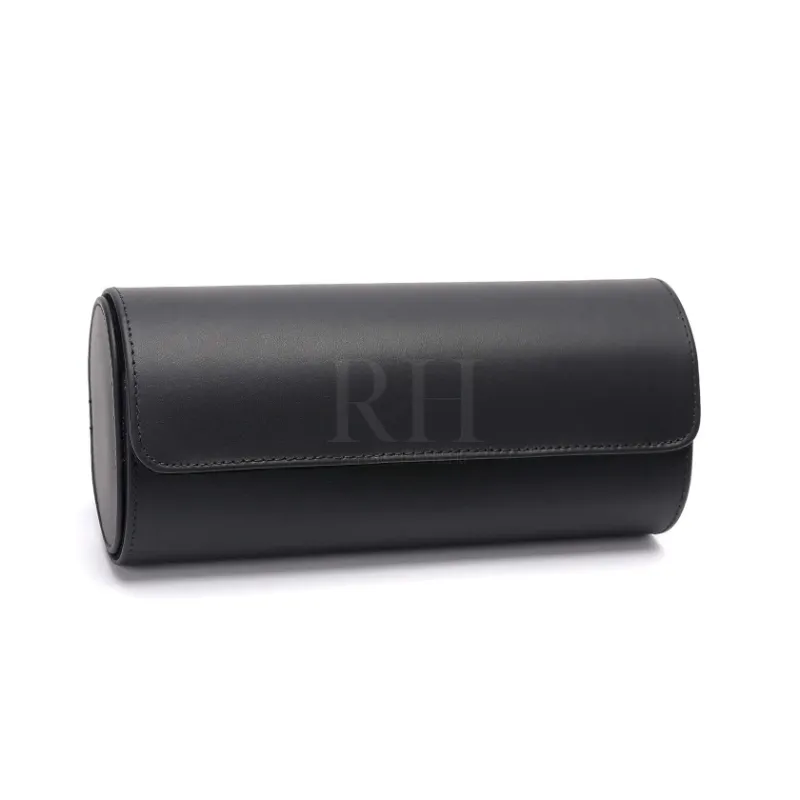
A revolving watch box is a motorized cabinet that slowly rotates your automatic watches to keep them wound, while a spinning watch case is typically a smaller, single-or-few-watch unit that spins the timepiece itself rather than an entire collection. Both solve the same core problem, an automatic watch that stops when it sits idle, but they suit very different collections. Here is how to tell which one your watches actually need.
What a Revolving Watch Box Actually Does
An automatic watch keeps time using a rotor that swings as you move your wrist. Take the watch off and set it in a drawer, and the mainspring slowly unwinds. Within a day or two, the watch stops. You then have to reset the time, the date, and on complicated models the moonphase or calendar.
A revolving watch box fixes that by turning the watches at gentle, controlled intervals, mimicking wrist motion so the movement stays wound and running. The revolving watch box we tested does this with quiet motors behind glass, so your collection stays on display and ready to wear the moment you pick it up. For anyone with a drawer of automatics, it stops being a luxury purchase and starts being a maintenance tool.
The benefits in practice:
- Watches keep correct time and date with no manual resetting
- Lubricants inside the movement distribute more evenly than in a stopped watch
- Your collection stays visible instead of buried in a safe
- Multiple watches get wound on independent rotors on a set schedule
Spinning Watch Case vs Revolving Watch Box: The Real Differences
People use the two terms loosely, and stores do not always help. Here is the honest breakdown after handling both types.
| Feature | Revolving watch box | Spinning watch case |
|---|---|---|
| Capacity | Usually 4 to 12 watches | Usually 1 to 4 watches |
| How it winds | Rotates a carousel or shelf of watches | Spins the watch cradle itself |
| Best for | Larger collections, display cabinets | One or two daily wearers |
| Footprint | Cabinet or furniture sized | Countertop or desk sized |
| Typical extras | LED lighting, glass doors, lockable storage | Simple dial, USB power |
A spinning watch case is the right tool if you rotate between one or two automatics and want something compact on a shelf. It costs less, uses less power, and does the same winding job for those watches. The tradeoff is capacity. Once you own five or more automatics, a single-cradle spinner becomes a queue, and watches that are not on the rotor still stop.
The revolving box flips that logic. Everything in the cabinet keeps moving, so nothing waits. The cost is size and price, and the need for a dedicated spot with a power outlet.
Which One Suits Your Collection
Match the winder to the watches, not the other way around.
- One or two automatics you wear most days: a spinning watch case is enough. You will often keep them wound just by wearing them, and the case covers the gaps.
- Three to six automatics, some worn rarely: a revolving watch box earns its space here. Watches that sit for weeks stay accurate, and you stop doing the Sunday reset ritual.
- Complicated watches with perpetual calendars or moonphases: lean toward a revolving box regardless of count. Resetting those movements is tedious enough that winding them automatically is the whole point.
- Quartz watches: neither is needed. Quartz movements run on batteries and do not benefit from winding.
It is also worth being honest about which pieces deserve the rotation. Owners of brand expensive watches tend to prioritize their complicated or rarely worn pieces, while everyday beaters can sit stopped without consequence. If you are still building the collection itself, our guide to the best luxury watch brands covers which movements are most sensitive to sitting idle.
Materials and Build: What to Check Before Buying
Watch winder quality varies enormously, and the difference shows up in noise and wear. Check these before you buy either type:
- Motor type: Japanese Mabuchi-style motors are the quiet standard. Cheap gear motors hum, which matters if the unit sits in a bedroom.
- Turns per day (TPD) settings: different movements need different winding amounts. Adjustable direction and TPD lets you match the setting to each watch instead of guessing.
- Interior lining: soft velvet or suede-like lining protects bracelets and straps. Hard plastic cradles scratch over time.
- Exterior: wood veneer and piano-gloss finishes look good on a dresser; brushed metal suits a modern shelf. Either way, check the glass is real glass, not acrylic that fogs.
- Power: look for both AC adapter and battery or USB options if you plan to move the unit around.
Setting It Up and Caring for It
Both types are simple to run, but a few habits make a real difference:
- Wind each watch manually to roughly full before placing it on the rotor, so the winder maintains rather than catches up.
- Set TPD to the low end recommended for your movement. Overwinding via winder is rare on modern automatics, but gentle settings extend motor life too.
- Leave a finger of space between watches on a revolving carousel so bracelets and crowns do not knock.
- Keep the unit away from direct sunlight and strong magnets, which fade dials and affect timekeeping.
- Dust the glass and interior monthly with a dry microfiber cloth. Avoid sprays near the lining.
Where to Buy and How to Save
Rotation Horlogère sells both the cabinet-style revolving boxes and the compact spinning cases, along with display pieces for showcasing a relojes caros collection. Current pricing depends on capacity and finish, so check the latest price and availability rather than trusting a number from a review. Better yet, there is an active discount on the site: use the coupon code page before checkout, where a 10% off code applies to all orders. That discount comfortably covers the gap between the entry and mid-tier models, which is worth it if you suspect your collection will grow.
The Verdict
If your collection is one or two automatics, buy the compact spinner and spend the difference on the watches themselves. If you own a growing set of automatics, especially anything with a calendar complication, the revolving watch box is the better long-term purchase because it keeps every watch running at once instead of making you take turns. Either way, measure the spot you plan to put it and confirm the TPD settings match your movements before ordering.
Frequently asked questions
What does a revolving watch box do for automatic watches?
It rotates your automatic watches at gentle, controlled intervals so the mainspring stays wound and the watch keeps the correct time and date while on display.
How many watches fit in a revolving watch box?
Most cabinet-style units hold somewhere between 4 and 12 watches depending on the model, while a spinning watch case usually handles one to four.
Can I use a spinning watch case if I only own one automatic watch?
Yes. A smaller automatic collection is well served by a spinning watch case, which costs less and takes up far less shelf space.
What should I look for when buying a watch winder?
Look for a quiet Japanese-style motor, adjustable turns per day (TPD) and direction settings, and a soft velvet or suede-like interior lining.
Do quartz watches need a watch winder?
Yes, quartz movements run on batteries and do not need winding. Only automatic and mechanical watches benefit from a winder.
Where can I buy a revolving watch box with a discount?
Rotation Horlogère sells both styles, and their coupon page lists a 10% off code that applies to all orders.