

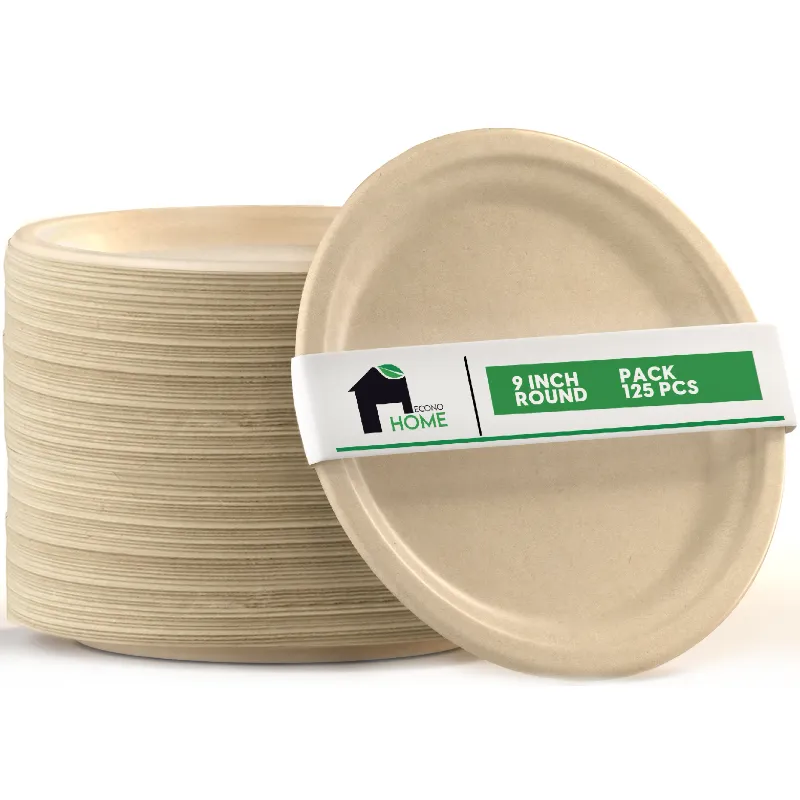
Compostable paper plates are exactly what they sound like: single-use plates made primarily from paper pulp or pressed paper fiber that break down in a compost environment. But not every plate labeled "compostable" is made from paper, and that distinction changes how you use them, store them, and dispose of them. Here is what you actually need to know before buying.
What Makes a Plate "Compostable" in the First Place?
The word compostable is a performance claim, not a material description. A plate earns it by meeting a certification standard — typically BPI (Biodegradable Products Institute) in North America or EN 13432 in Europe — that requires the product to break down into non-toxic biomass within a set timeframe under controlled composting conditions.
Key requirements for a compostable rating:
- Breaks down at least 90% within 180 days in a commercial compost environment
- Leaves no harmful residue or heavy metals in the finished compost
- Does not negatively affect plant growth in the resulting compost
The important caveat: "compostable" does not mean "backyard compostable" unless the product is specifically certified for home composting. Most certified compostable plates require the higher heat of an industrial or commercial composting facility.
Compostable Paper Plates vs. Other Compostable Materials
This is the core question. Compostable paper plates are made from wood-fiber pulp, sugarcane bagasse, or bamboo fiber — all of which are paper-adjacent, plant-derived materials. Other compostable plates on the market use different base materials entirely.
| Material | Common Source | Compost Type Needed | Heat Resistance |
|---|---|---|---|
| Paper / wood pulp | Virgin or recycled fiber | Industrial | Low-Medium |
| Sugarcane bagasse | Pressed cane fiber | Industrial | Medium-High |
| Bamboo fiber | Pressed bamboo pulp | Industrial | Medium |
| PLA (bioplastic) | Corn starch | Industrial only | Low |
| CPLA / molded fiber | Blended plant starch | Industrial | Medium |
The biggest practical difference is heat resistance and rigidity. Bagasse-based compostable plates handle hot food and sauces better than thin paper options. PLA-based plates look like clear plastic and are genuinely compostable, but they require very specific industrial heat to break down and will not decompose in a home bin or in the ocean.
How to Read an Eco-Certified Label Without Getting Confused
Shoppers searching for compostable paper plates bulk orders for events often grab whatever is cheapest without checking the logo. Here is a simple label-reading checklist:
- BPI Certified logo: verified compostable in North America, industrial facility required
- Seedling logo (EN 13432): European industrial compostable standard
- Home Compostable: a separate, stricter certification — look for the specific "home compostable" mark
- PFAS-free / no fluorinated coatings: critical for plates sold as compostable eco certified, since some coatings used for grease resistance are persistent chemicals
If a plate just says "eco-friendly" or "green" with no third-party logo, it is marketing language, not a verified claim.
Compostable vs. Recyclable vs. Biodegradable: A Quick Breakdown
These three terms are often used interchangeably, which causes real disposal mistakes:
- Biodegradable: breaks down eventually, but no defined timeframe or conditions — nearly meaningless as a standard
- Recyclable: can re-enter a materials stream, but paper plates with food grease typically cannot go in curbside recycling
- Compostable: meets a specific performance standard within a specific timeframe under specific conditions
Bottom line: a paper plate soaked in grease is not recyclable, may not be accepted at all composting facilities, and is not the same as a certified compostable plate. Buying certified compostable paper plates removes the guesswork.
Who Should Buy Compostable Paper Plates vs. Heavier Compostable Plates
Different situations genuinely call for different products:
Choose standard compostable paper plates if you:
- Are serving dry or lightly sauced foods
- Want the lowest per-unit cost for a large event
- Have access to a local compost drop-off or industrial composting program
- Are buying in bulk and need lightweight, stackable options
Choose heavier bagasse or molded fiber compostable plates if you:
- Are serving hot entrees, soups, or greasy foods
- Need a plate that will not go soggy after 10 minutes
- Want a more substantial feel for a catered event or dinner party
Consider adding a plate warmer or electric warming tray if you:
- Are keeping food warm during a buffet — these accessories extend your serving window without requiring disposables to absorb extra moisture from steam
You can check the latest price and grab the EconoHome discount code to stack savings across both your disposable plate order and any warming accessories you need.
Storing and Disposing of Compostable Paper Plates Correctly
Improper storage and disposal cancel out the environmental benefit entirely. Follow these practices:
Storage:
- Keep plates dry and away from humidity — moisture degrades the fiber before use
- Store in original packaging or a sealed container
- Do not refrigerate or freeze (condensation ruins the material)
Disposal:
- Scrape off large food waste before composting (this speeds breakdown)
- Confirm your local composting facility accepts certified compostable serviceware — many curbside programs do not
- If no composting access is available, landfill is the fallback; at minimum you avoided plastic
What to avoid:
- Do not place in curbside recycling — grease-contaminated paper is not recyclable
- Do not assume a home bin will fully break down an industrially-certified plate
Pairing Eco Tableware with the Right Accessories
If you are running an event or regular family meals with compostable tableware, a few EconoHome accessories pair naturally. An electric food warming mat lets you keep dishes warm on a table without overcooking or drying out food, reducing the urge to pile food on disposable plates in advance. For buffets that run long, an electric warming tray is worth the investment.
For anyone setting up an outdoor gathering space, the weatherproof outdoor bench is worth a look alongside your eco tableware setup.
You can browse all of these products and use an EconoHome coupon to get 10% off your order — a straightforward way to bring down the cost of stocking up on compostable paper plates bulk quantities or warming gear at the same time.
The short version: paper-based and bagasse-based compostable plates are your most practical and widely available eco options, certification logos are the only reliable signal to trust, and disposal method matters as much as what you buy.
 Shopping at EconoHome? See today's verified EconoHome discount code
Frequently asked questions
Are compostable paper plates actually better for the environment than regular paper plates?
Certified compostable paper plates are designed to break down into non-toxic biomass in a composting environment, whereas standard paper plates typically end up in landfills. The environmental benefit is real, but only if the plates are disposed of correctly through an industrial or certified home composting program.
Can I put compostable plates in my backyard compost bin?
Most certified compostable plates require the high temperatures of an industrial composting facility to break down within the certified timeframe. Only plates with a specific 'home compostable' certification are reliably suited for a backyard bin.
What is the difference between compostable plates made from bagasse vs. paper pulp?
Bagasse plates are pressed from sugarcane fiber, which gives them greater rigidity and heat resistance — better for hot or greasy foods. Paper pulp plates are lighter, lower cost, and work well for dry or lightly sauced foods but can go soggy faster.
How do I know if a compostable plate is genuinely eco certified?
Look for a third-party certification logo such as BPI (North America) or the Seedling logo (Europe). These confirm the plate meets a verified compostability standard. Vague terms like 'eco-friendly' or 'green' without a logo are not independently verified.
Can I use a plate warmer or electric warming tray with compostable plates?
Yes, but with care. An electric warming tray or electric food warming mat keeps food warm on the serving surface rather than directly heating the plate itself, which is a safer approach since most compostable plates have moderate heat tolerance and are not designed for sustained direct heat.
Where can I buy compostable paper plates in bulk and get a discount?
EconoHome stocks compostable paper plates suited for bulk event use. You can check the current price and apply an EconoHome discount code at their coupon page to reduce the per-unit cost when ordering larger quantities.