

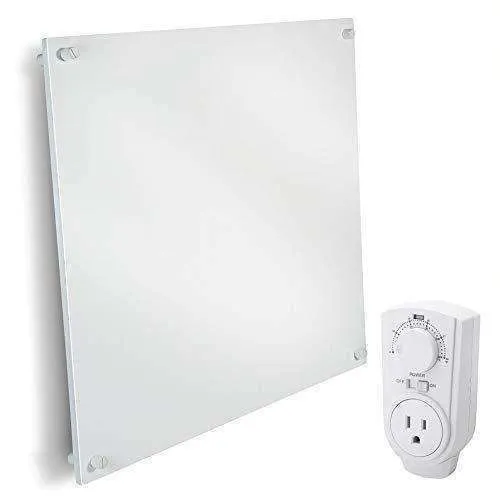
A wall space heater is one of the most efficient ways to heat a specific room without running your whole-home HVAC system around the clock. Whether you are dealing with a cold bathroom, a drafty bedroom, or a garage workshop, the right unit makes a measurable difference in both comfort and energy costs. This guide walks through the main heater types, sizing basics, and a few supporting upgrades that make any heating setup work harder.
What Is a Wall Space Heater and How Does It Differ from Other Options?
The term "wall space heater" covers a broad family of products, and the differences matter when you are choosing one.
- Wall mounted heaters are permanently fixed to the wall, often hardwired or plugged in at a dedicated outlet. They free up floor space and look tidy.
- Radiant wall heaters use infrared or radiant panels to warm objects and people directly rather than cycling hot air around the room. They are whisper-quiet and very responsive.
- Bathroom wall heaters are purpose-built with moisture-resistant housings and are typically sized for smaller square footage.
- Portable space heaters sit on the floor and move from room to room but can be a tripping hazard and consume more energy for the same warmth.
For most permanent installations, a fixed wall mounted heater or a dedicated bathroom wall heater beats a portable unit on safety, aesthetics, and long-term running cost.
Matching Heater Type to Room Size and Use Case
No single heater suits every situation. Use the table below as a quick starting framework, then factor in your room's insulation and ceiling height.
| Room Type | Best Heater Style | Key Feature to Prioritize |
|---|---|---|
| Small bathroom (under 60 sq ft) | Bathroom wall heater | Moisture resistance, fast warm-up |
| Bedroom / home office (60-200 sq ft) | Radiant wall heater | Silent operation, zoned heat |
| Living room / open plan (200-400 sq ft) | Wall mounted heater | Higher wattage, thermostat control |
| Garage / workshop | Radiant wall heater | Durable housing, wide heat spread |
Radiant wall heaters are a strong choice for bedrooms and home offices because they do not circulate dust or dry out the air the way fan-forced units do. For the bathroom specifically, bathroom heaters built for damp locations carry the safety ratings you need.
How to Size a Wall Space Heater Correctly
Undersizing a heater means it runs constantly and still leaves you cold. Oversizing wastes money on a unit that short-cycles. Here is a simple sizing approach:
- Measure the room in square feet (length x width).
- Apply the general rule of roughly 10 watts per square foot for a well-insulated room with standard ceilings.
- Add 25% for poor insulation, high ceilings, or rooms with large windows.
- Check the heater's listed wattage against that number before buying.
One of the most cost-effective ways to reduce the wattage you need in the first place is to improve the room's thermal envelope. A foil insulation roll added to an attic hatch, crawl space door, or uninsulated wall cavity can cut heat loss significantly. Similarly, reflective insulation installed behind a heater or on an exterior-facing wall keeps radiated heat in the room rather than letting it bleed through the wall.
Bathroom Heater Energy Efficiency: What to Look For
Bathroom heater energy efficiency is a common search because bathrooms are small, damp, and often the coldest room in the house first thing in the morning.
Key features that improve efficiency in a bathroom installation:
- Built-in thermostat or timer so the heater only runs when needed
- IP-rated moisture resistance to protect the unit and meet safety codes
- Fast heat-up time so you are not waiting minutes for warmth
- Compact wattage matched to the room size (a small bathroom rarely needs more than 1,000-1,500W)
Pairing a bathroom wall heater with a foil-backed insulation board on the exterior wall behind it is a straightforward DIY upgrade that noticeably cuts running time. You can check the latest price and grab a discount code for EconoHome products before you order.
Supporting Upgrades That Make Any Heater Work Better
A heater does not operate in isolation. These supporting products from EconoHome complement a heating setup in practical ways:
- Reflective insulation for home use: A reflective insulation barrier on rim joists, attic hatches, or inside a garage door dramatically reduces the load on any space heater.
- Foil insulation roll: A foil insulation roll is a low-cost, DIY-friendly way to line a workshop wall or van interior before mounting a heater.
- Weatherproof outdoor bench: If you heat a covered patio or porch with a wall unit, a weatherproof outdoor bench completes the space and handles temperature swings without warping or cracking.
None of these products replace good insulation practice, but together they mean your heater runs for shorter cycles and your energy bills reflect it.
Installation Tips for Wall Mounted and Radiant Heaters
Most wall mounted heaters and radiant panels are designed for straightforward DIY installation, but a few steps protect both the unit and your home:
- Locate studs before mounting. A heater pulling 1,500W needs to be anchored to something solid.
- Maintain clearances listed in the manual, especially above and to the sides of the unit.
- Use a dedicated circuit for high-wattage units to avoid nuisance tripping.
- Keep the area below the heater clear of curtains, furniture, and stored items.
- Test the thermostat before the cold season, not during it.
For bathrooms, always confirm the unit is rated for the zone (Zone 1, 2, or 3 depending on how close it sits to the shower) and that the installation meets local electrical code.
Who Should Buy a Wall Space Heater vs. a Central System Upgrade?
A wall space heater makes the most sense when:
- You heat one or two rooms heavily and leave the rest of the house cooler
- Your central system struggles with one "cold spot" room
- You are a renter who cannot modify ductwork
- You want fast, zoned heat without the cost of extending a duct run
A central system upgrade makes more sense when every room in the house is cold and your HVAC is simply undersized or failing. That said, even households with good central heat often add a dedicated bathroom wall heater or a radiant wall heater in a home office, because zoning saves real money compared to heating the whole house to satisfy one room.
Before you buy, grab the EconoHome discount code to save on your order. EconoHome carries the full range of wall mounted and radiant options alongside insulation products, so you can tackle both the heat source and the heat retention in one purchase.
 Shopping at EconoHome? See today's verified EconoHome discount code
Frequently asked questions
What is the difference between a radiant wall heater and a standard wall mounted heater?
A radiant wall heater warms objects and people directly through infrared radiation without blowing air, making it quieter and better for allergy sufferers. A standard wall mounted heater typically uses a fan to circulate heated air, which warms a room faster but can feel drier and noisier.
Can a wall space heater replace central heating in a small apartment?
In a compact, well-insulated apartment it can serve as the primary heat source for one or two rooms, but most people use it as a supplement to reduce how hard the central system works. Pairing the heater with reflective insulation on exterior walls improves its effectiveness significantly.
Is a bathroom wall heater safe to use near a shower?
Yes, provided you choose a unit with the correct IP moisture rating for the bathroom zone where you plan to install it. Always follow the manufacturer's minimum clearance distances from the shower or bath and confirm the installation meets local electrical code.
How much can reflective insulation reduce my heating costs?
The savings depend on your existing insulation level and climate, but adding a foil insulation roll or reflective insulation barrier to an uninsulated wall or attic hatch can meaningfully reduce heat loss and shorten heater run times. We recommend checking independent energy audit resources for room-specific estimates.
Does EconoHome offer a discount code for wall heaters and insulation products?
Yes, EconoHome currently offers a sitewide discount on all orders. You can find the latest code and confirm current pricing on our EconoHome coupon page before you check out.
What wattage do I need for a bathroom wall heater in a small bathroom?
A common starting point is around 10 watts per square foot for a well-insulated space, so a typical small bathroom under 100 square feet usually falls in the 750W to 1,500W range. Check the specific product listing for the heater you are considering to confirm it covers your room size.