

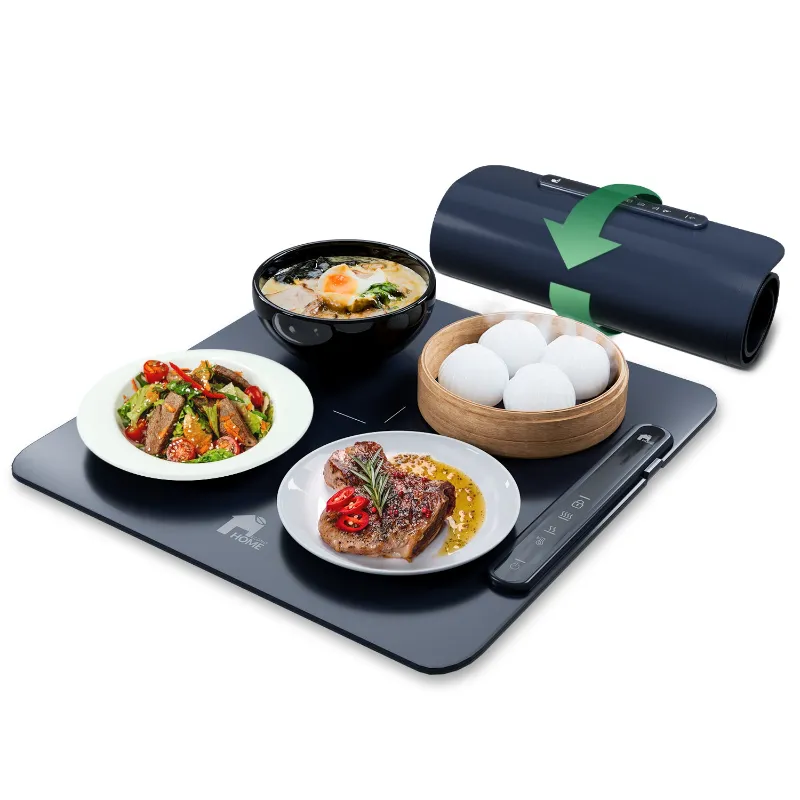
An electric food warming mat keeps buffet food hot by conducting gentle, even heat through a flexible surface that sits directly under serving dishes. It is one of two popular options for home hosts and caterers, the other being a rigid electric warming tray. Knowing how each one works will save you from cold pasta and lukewarm gravy at your next event.
How an Electric Food Warming Mat Works
An electric food warming mat uses a heating element embedded in a thin, flexible pad. You place it flat on a table and set your serving dishes or pots directly on top. Heat transfers by conduction into the base of the dish, keeping contents at a safe serving temperature without open flames or chafing fuel.
Key characteristics:
- Flexible and rollable, making storage and transport easy
- Works with most flat-bottomed cookware, ceramic dishes, and serving bowls
- Typically offers one or more heat settings
- Low-profile design that disappears under a tablecloth or runner
- Electric food warming mat uses extend to breakfast stations, holiday buffets, outdoor catering setups, and potluck tables
How an Electric Warming Tray Works
An electric warming tray is a rigid, flat appliance, usually made from glass or stainless steel, with a built-in heating surface. You plug it in, set it on your buffet table, and place covered or uncovered dishes directly on the heated platform.
Key characteristics:
- Solid, stable surface that handles heavier cookware
- Glass-top models let you use the tray as a serving surface itself
- Often includes adjustable temperature controls
- Less flexible than a mat but more durable for frequent, heavy use
- Easier to wipe clean after a party
Side-by-Side Comparison
| Feature | Electric Food Warming Mat | Electric Warming Tray |
|---|---|---|
| Form factor | Flexible, rollable pad | Rigid flat appliance |
| Portability | High | Moderate |
| Storage footprint | Very small | Medium to large |
| Surface compatibility | Most flat-bottomed dishes | Most flat-bottomed dishes |
| Ideal use case | Travel, catering, potlucks | Home buffets, frequent hosts |
| Cleanup | Wipe or spot-clean | Wipe surface, unplug |
Both products keep food in the safe serving zone. The right choice depends mainly on how often you host, how much storage space you have, and whether you need to transport the warmer.
What to Serve and How to Plate It
Heat retention is a team effort. The warmer does its job better when you pair it with the right dishware. Thick ceramic or cast-iron pieces hold heat longer than thin plastic. If you are serving a casual outdoor gathering, pairing your warming setup with compostable plates or compostable paper plates keeps cleanup simple without sacrificing eco-credentials. Look for eco-certified compostable options that hold up to sauced dishes without going soggy.
For a more formal plated-dinner situation, a plate warmer pre-heats individual plates before service so food does not cool the moment it is plated. Using a plate warmer alongside either a mat or tray is the approach restaurant-style hosts swear by.
Which Setup Suits Which Host?
Choose an electric food warming mat if you:
- Host at different locations (friends' homes, community halls, outdoor events)
- Have limited storage in a small kitchen
- Want a low-cost, easy-to-pack solution for occasional hosting
- Need to cover a long, narrow buffet table with multiple dishes
Choose an electric warming tray if you:
- Host frequently at home and want a durable, long-lasting appliance
- Prefer a stable surface for heavy Dutch ovens or large roasting pans
- Want the tray itself to double as a serving surface
- Value a polished, appliance-grade look on your buffet
Use both if you:
- Run large-scale buffets or catering events
- Need to keep 10 or more dishes at temperature simultaneously
Keeping Outdoor Buffets Warm
Outdoor hosting adds another variable: ambient temperature. Wind and cool air drain heat from dishes much faster than an indoor setup. A few tactics help:
- Position your warming setup away from direct wind
- Use lids or foil covers between serving moments
- Consider adding a foil insulation roll underneath your mat to reflect heat back upward rather than losing it to the table surface
- Reflective insulation materials are inexpensive and dramatically reduce heat bleed into the table
For the guests themselves, a weatherproof outdoor bench keeps seating dry and comfortable so everyone stays close to the food table rather than retreating indoors.
Saving on Your Warming Setup
EconoHome carries both the electric food warming mat and the electric warming tray, along with the supporting products mentioned in this guide. Before you buy, grab the EconoHome discount code for 10% off your order. It applies sitewide, so you can bundle a warming mat with compostable plates or a foil insulation roll in a single checkout and save across the whole cart.
If you are comparing total cost of ownership, check the latest pricing and current offers on the store page, since EconoHome periodically runs additional promotions on top of the standard code.
Quick Buyer Checklist
Before you decide, run through these questions:
- How often do you host? Frequent hosts get more value from a durable warming tray.
- Do you host in one place or many? Multi-location hosting favors the portable mat.
- How many dishes need to stay hot? Large counts may need both.
- What dishware are you using? Heavy ceramic works with both; thin disposable plates pair best with a mat set to a lower temperature.
- What is your storage situation? A warming mat stores in a drawer; a tray needs shelf space.
- Are you hosting outdoors? Add a foil insulation layer and windbreaks for best results.
Both products solve the same core problem. The electric food warming mat wins on portability and storage; the electric warming tray wins on durability and surface stability. Most regular hosts find they eventually want one of each.
 Shopping at EconoHome? See today's verified EconoHome discount code
Frequently asked questions
Can an electric food warming mat be used under a tablecloth?
Yes, most electric food warming mats are designed to sit flat on a table surface and can operate safely under a thin tablecloth or table runner. Always check the manufacturer's clearance guidelines and avoid thick, bunched fabric directly over the heating surface.
What is the difference between an electric warming tray and a plate warmer?
An electric warming tray keeps serving dishes and food warm during a buffet, while a plate warmer heats individual dinner plates before food is served onto them. Using both together gives you the best results for a restaurant-style serving experience.
How do I keep buffet food hot outdoors without it cooling down quickly?
Place a foil insulation roll or reflective insulation sheet under your warming mat to reduce heat loss into the table, use lids between servings, and position the setup away from wind. An electric food warming mat set to its highest setting handles mild outdoor conditions well.
Are compostable plates safe to use directly on a warming mat or tray?
Compostable plates are generally fine on a warming mat or tray at low to medium heat settings, but they are not designed for prolonged direct heat exposure. It is best to use them for plating and serving rather than leaving them on the heated surface for extended periods.
Does EconoHome offer a discount code for warming products?
Yes, EconoHome currently offers a sitewide discount that applies to warming mats, warming trays, and other products. You can find the current code and confirm whether free shipping or other promotions are running on the EconoHome coupon page.
How do I clean an electric warming tray after a buffet?
Unplug the tray and let it cool completely before cleaning. Wipe the surface with a damp cloth and mild detergent, avoiding abrasive scrubbers on glass-top models. Never submerge the appliance in water.