
Cot Tent Combo vs Traditional Camping Tent: Which Setup Is Right for You?

What Is a Cot Tent Combo and How Does It Compare?
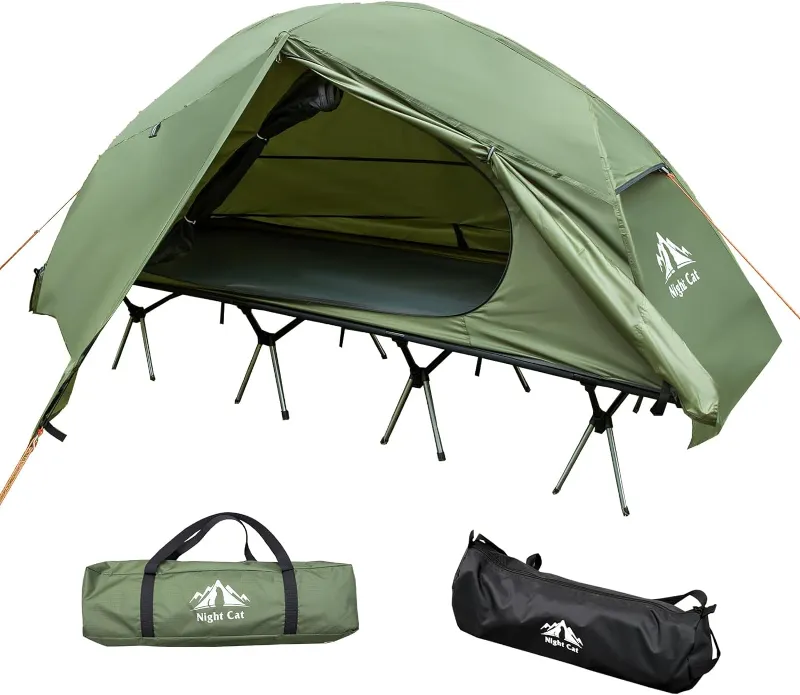
A cot tent combo integrates an elevated sleeping platform with a rainfly and bug netting, lifting you several inches off the ground in a single compact system. Traditional camping tents require a separate sleeping pad or bed cot, which means carrying more gear and spending extra time on setup. The combo design appeals to campers who prioritize off-the-ground comfort, faster pitch times, and better airflow beneath the sleeping surface.
Traditional tents still dominate the market for good reasons. They offer more interior space for gear storage, accommodate multiple sleepers easily, and work on any terrain where you can stake fabric. We tested both systems across rocky desert sites, humid forest floors, and muddy spring campsites to help you decide which setup matches your camping priorities.
Weight and Packability: What Fits Your Pack
Cot tent combos typically weigh between 8 and 18 pounds depending on whether you choose a cot tent 1 person model or a larger 2 person cot tent. That weight includes frame, fabric, and rainfly in one package, so you avoid the combined bulk of a traditional tent plus a separate cot or thick sleeping pad.
A standard ultralight 2 person tent weighs 3 to 5 pounds but requires adding a sleeping pad (1 to 2 pounds per person). The total system weight often approaches that of a compact cot tent combo, especially if you value sleeping comfort enough to carry a bulkier pad.
Packability trade-offs:
- Cot tents pack into a single long duffel (usually 36 to 42 inches), awkward for smaller internal frame backpacks
- Traditional tents break into tent body, poles, and stakes that distribute more easily across a pack or between hiking partners
- Pop up camping tent designs collapse into circular bags, ideal for car camping but frustrating for backpackers
For multi-day treks where every ounce counts, a 1 person tent paired with an ultralight sleeping pad beats the cot tent on weight. For weekend trips or base-camp setups, the convenience of a cot tent combo often outweighs the extra pound or two.
Comfort and Sleeping Surface: Off the Ground vs On It
Sleeping elevated on a tensioned fabric deck provides consistent support regardless of ground conditions. We slept on cot tents over sharp gravel, tree roots, and uneven slopes where a traditional tent would have required extensive site prep or a very thick pad. The air gap beneath the cot also reduces ground chill in cold weather, though you may still want a hammock underquilt or insulated blanket below you in freezing temperatures.
Traditional tents let you customize your sleeping system. A 2 person sleeping bag or sleeping double sleeping bag paired with self-inflating pads offers warmth and cushioning you control. Couples often prefer the side-by-side space of a tent floor over two separate cot tent units.
| Feature | Cot Tent Combo | Traditional Tent |
|---|---|---|
| Ground insulation | Air gap reduces conduction | Depends on pad R-value |
| Site prep | Minimal; cot bridges rough terrain | Requires clearing rocks, leveling |
| Sleeping positions | Limited by cot width (typically 28-32 inches) | Full floor space; sprawl freely |
| Partner sleep | Two separate units for 2 person cot tent setups | Shared floor; better for couples |
The best 2 person cot tent models use wider frames and reinforced cross-bars, but even these feel narrower than a traditional tent where you can shift sleeping bags and gear around freely. Check the latest dimensions and weight limits before committing to a cot tent for two.
Setup Speed and Terrain Flexibility
Most cot tent combos deploy in under five minutes once you learn the frame-folding sequence. The integrated design means the rainfly attaches to the cot frame directly, and you stake only the corners for stability. We appreciated the speed after long hikes, especially in rain when every second of exposure matters.
Traditional tents vary wildly. A freestanding 4x3x3 tent pitches quickly on sand or rock where stakes don't hold, while a trekking-pole tent demands solid ground and more skill. Tent cots require a flat footprint roughly the length of the cot (usually 75 to 84 inches), which can be tricky on sloped campsites or narrow ledges where a flexible tent floor would conform.
When terrain favors traditional tents:
- Rocky alpine sites where cot legs can't stabilize
- Deep sand or snow that demands wide footprints and buried stakes
- Cramped designated tent pads shorter than the cot frame
When cot tents excel:
- Muddy or wet ground where you want zero contact
- Sites with roots, rocks, or debris you can't clear
- Areas with high bug pressure, since the elevated design reduces crawling-insect access
A cot tent with rain fly keeps you dry in downpours as long as you tension the fly properly. We saw condensation below the cot in humid conditions, which doesn't affect your sleep but can dampen gear stored underneath.
Versatility and Multi-Use Scenarios
Traditional tents adapt to more camping styles. You can strip a mosquito tent down to its bug netting for summer stargazing, add a vestibule for cooking space, or pitch just the rainfly as an ultralight shelter. Cot tents lock you into a single configuration: elevated sleep platform with integrated cover.
If you camp with kids, pets, or multiple people, traditional tent floors offer communal space. If you rotate between solo trips and group outings, a 2 person cot tent forces you to carry a heavy unit even when camping alone, while a 1 person tent and a separate two-sleeper let you choose based on the trip.
Alternative elevated shelters like a hammock tent or lay flat hammock weigh less than cot tents and pack smaller, but they require trees. Cot tents work anywhere a traditional tent does, as long as you have the footprint.
Durability and Long-Term Value
Cot tent frames use aluminum or steel tubing with fabric sleeves and hinges that wear over time. We noticed squeaks and slight frame flex after 20+ nights of use, and the tensioned fabric can sag if you exceed the weight rating. Replacement parts for cot tents are harder to source than generic tent poles or stakes.
Traditional tents separate the shelter from the sleeping pad, so a torn tent floor doesn't ruin your entire sleep system. You can replace a damaged bed cot or patch a tent fly independently. This modularity extends the lifespan of each component and gives you repair flexibility in the field.
Maintenance considerations:
- Cot tents require periodic frame inspection and hinge lubrication
- Traditional tents need seam sealing and UV-damaged fly replacement every few seasons
- Both systems benefit from dry storage and gentle cleaning to prevent mold
Grab the current discount code if you decide a cot tent combo suits your camping frequency and style. The upfront cost runs higher than a basic tent, but the convenience and comfort payoff can justify the investment for regular campers who prioritize ease of setup and off-ground sleeping.
Which Setup Matches Your Camping Style?
Choose a cot tent combo if you camp frequently in mild to moderate conditions, drive or paddle to your site, value quick setup, and prefer sleeping elevated. It's ideal for weekend warriors, car campers, and anyone with back or joint issues who struggles with ground sleeping.
Stick with a traditional tent if you backpack long distances, camp in extreme alpine or winter conditions, share a tent with a partner or pet, or want the flexibility to customize your sleep system trip by trip. The modularity and lighter weight options make traditional tents more versatile across the widest range of camping scenarios.
Both systems deliver reliable shelter when matched to the right trip. We carry a pop up camping tent for quick overnights near the car and a compact cot tent for desert and coastal trips where the ground is rough or wet. Understanding your priorities around weight, comfort, terrain, and setup speed will guide you to the right choice.
Frequently asked questions
Can you use a cot tent combo in winter camping?
Yes, but you'll need insulation beneath you since the air gap under the cot increases heat loss. Add a sleeping pad on top of the cot deck or use an insulated blanket below the cot to prevent cold air from sapping your warmth.
How much weight can a typical 2 person cot tent hold?
Most 2 person cot tent frames support 250 to 350 pounds total, including sleepers and gear. Check the manufacturer's rating before loading two adults and equipment onto a single cot unit to avoid frame damage.
Do cot tents work on uneven ground better than regular tents?
Cot tents bridge small bumps and roots that would jab through a tent floor, but the cot legs still need stable footing. Steep slopes or very rocky terrain can make leveling the frame difficult, so traditional tents sometimes conform better to challenging sites.
Are cot tent combos easier to set up than traditional tents?
Most cot tents deploy in under five minutes once you learn the frame folding sequence, and the integrated rainfly attaches directly to the cot. Traditional tents vary widely, but freestanding designs often match that speed while non-freestanding models take longer to stake properly.
Can I fit a cot tent in a backpacking pack?
Cot tents pack into long duffels (36 to 42 inches) that strap awkwardly to the outside of most backpacking packs. They work better for car camping, canoe trips, or base-camp setups where pack volume and weight matter less than sleeping comfort.
What is the main advantage of a cot tent with rain fly?
A cot tent with rain fly keeps you dry and elevated in wet conditions, preventing ground moisture from seeping into your sleeping area. The combination of waterproof coverage and an air gap below the cot makes it ideal for muddy or rainy campsites.