
Ultralight 2 Person Tent vs Double Sleeping Bag: Best Gear for Couples Camping

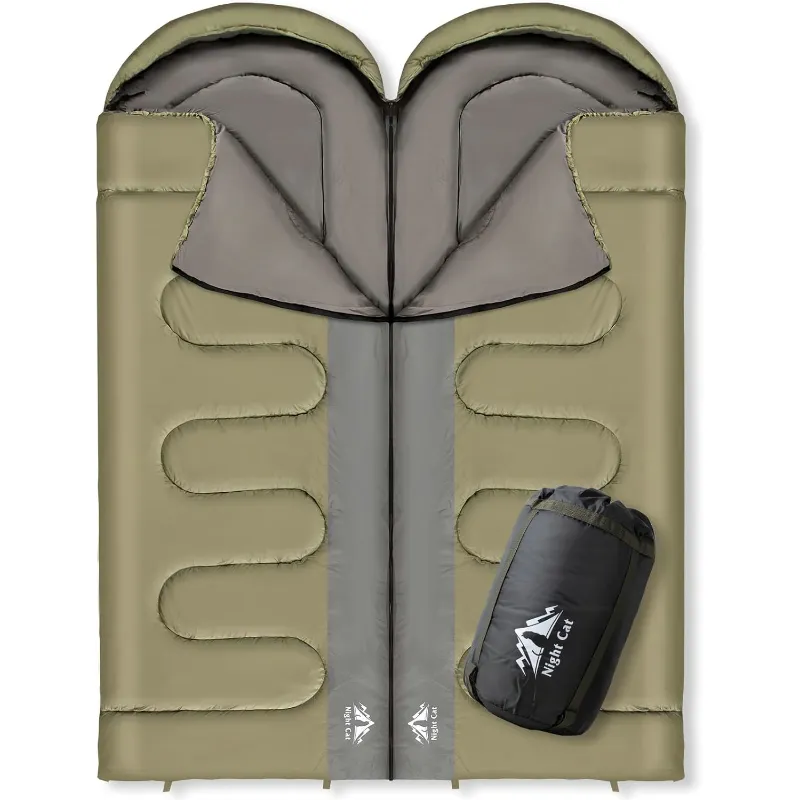
Sleeping Double Sleeping Bag vs Ultralight 2 Person Tent: Which Setup Wins for Couples
A sleeping double sleeping bag paired with an ultralight 2 person tent gives couples the best balance of weight savings and comfort on backpacking trips. The tent provides weather protection and bug defense, while the double bag eliminates the cold gap between two single bags and cuts pack weight compared to carrying separate sleep systems. We've tested both pieces of gear across three-season conditions, and the combination works exceptionally well when you match the right shelter style to your terrain and the right bag to your temperature range.
Most couples start by choosing either the tent or the bag first, but the smarter approach is planning both together. A lightweight shelter lets you justify the slightly heavier double bag, and a quality sleeping double sleeping bag means you can skip extra liners and quilts.
How an Ultralight 2 Person Tent Changes Your Pack Weight
An ultralight 2 person tent typically weighs between 2 and 4 pounds with poles and stakes, compared to 5 to 7 pounds for traditional dome tents. That difference matters when you split the load between two packs. One partner carries the tent body and poles while the other takes the footprint and stakes, so each person adds roughly one to two pounds instead of carrying a full shelter each.
The floor space in a true two-person ultralight usually measures around 28 to 30 square feet, which fits two sleeping pads side by side with a few inches for gear. Vestibules add another 8 to 15 square feet for boots, packs, and cook systems. We recommend checking the packed dimensions as well, since some ultralight designs compress to the size of a water bottle, freeing up room inside your internal frame backpack for food and layers.
Key features to compare:
- Single-wall vs double-wall construction – single-wall tents use one waterproof layer (lighter but more condensation), double-wall separates the rainfly from inner mesh (better ventilation)
- Freestanding vs staked – freestanding tents set up on any surface, staked designs need soft ground but weigh less
- Vestibule count – two vestibules let each person store gear on their side without climbing over each other
- Peak height – anything above 40 inches lets you sit up to change clothes or play cards during a storm
If you need faster setup after long hiking days, a pop up camping tent can work for car camping or festival basecamp, though most pop-up designs sacrifice weight savings and packability.
Why a Sleeping Double Sleeping Bag Beats Two Singles
A double sleeping bag wraps both sleepers in one continuous insulation layer, eliminating the drafty seam that forms when you zip two rectangular bags together. Shared body heat raises the effective temperature rating by roughly 5 to 10 degrees compared to solo bags, which means you can carry a lighter-weight bag rated for warmer temps and still stay comfortable on cool nights.
The width typically ranges from 60 to 66 inches, giving each person about 30 to 33 inches of shoulder room. That's narrower than a queen bed at home but wider than the 20 to 25 inches you get in a single mummy bag. Most double bags use a semi-rectangular or modified mummy shape to balance roominess with thermal efficiency.
Construction details that separate great double bags from mediocre ones:
- Draft tubes along the zipper – prevent cold air from seeping through the teeth
- Hood design – some models have dual hoods, others use a single hood or no hood at all; match this to your expected lows
- Fill type – down insulation packs smaller and weighs less, synthetic fill handles moisture better and costs less
- Zipper configuration – look for zippers on both sides so each person can vent or exit without waking the other
We also tested a 2 person sleeping bag that converts into two singles by unzipping the center seam, which adds versatility if you occasionally camp solo or need to adjust for different temperature preferences. Field tested reviews show this style performs well across varying conditions.
Matching Your Tent and Bag to Season and Terrain
Three-season gear works for spring through fall in most regions, but the specific combination depends on whether you camp in humid valleys, exposed alpine zones, or dry desert plateaus.
For humid or rainy climates: prioritize a double-wall tent with maximum mesh panels for airflow, and choose a synthetic-fill double bag that dries faster if condensation or rain gets inside. A mosquito tent adds bug protection during the wettest months when insects hatch in huge numbers.
For high-altitude or windy ridges: go with a lower-profile tent that sheds gusts instead of catching them like a sail, and pack a down-fill double bag with a lower temperature rating since nighttime temps drop fast above treeline. Some backpackers also carry a hammock underquilt if they plan to string a hammock tent between trees for part of the trip.
For desert or Mediterranean conditions: a single-wall ultralight tent with partial mesh saves weight when rain is rare, and a lighter-weight double bag rated to 35 or 40 degrees handles the warmer nights. You can always add clothing layers inside the bag if an unexpected cold front rolls through.
For car camping or quick overnights: a 4x3x3 tents offers standing room and more livable space when you don't need to carry the shelter on your back, and you can pair it with a roomier double bag without worrying about pack weight. A bed cot elevates you off the ground for extra comfort.
Grab the current discount code before your next trip to save on whichever combination you choose.
Packing and Carrying the System for Two
Dividing the load fairly makes or breaks a couples camping trip. The standard split puts the tent body, poles, and stakes with the stronger or taller hiker (usually 3 to 4 pounds total), while the other partner carries the double sleeping bag in a compression sack (typically 3 to 5 pounds depending on fill and rating). This keeps each pack roughly balanced and ensures both people contribute to the shared shelter and sleep system.
Pack the tent at the bottom of your backpack since you won't need it until you reach camp. The sleeping bag can go in the bottom or lashed to the outside in a dry bag if your pack runs short on internal space. Compression straps reduce a down bag to about the size of a cantaloupe, while synthetic bags compress less but still shrink to roughly a basketball.
Additional weight-saving strategies:
- Share a single cook system instead of carrying two stoves
- Coordinate food so you're not duplicating condiments or fuel
- Split a single first-aid kit rather than each packing a full kit
- Use a shared internal frame backpack size guide to ensure both packs fit properly and transfer weight to your hips
Many couples also test their sleeping double sleeping bag in the backyard or on a short overnight before committing to a longer trek, which reveals any fit or warmth issues while you can still exchange or adjust gear. Check the latest pricing to compare models within your budget.
Care and Maintenance to Extend Gear Life
Both ultralight tents and double sleeping bags require specific care to maintain performance over dozens of trips. Tents suffer damage from UV exposure, abrasion on rocky ground, and improper storage, while bags lose loft when stored compressed or washed incorrectly.
Tent care basics:
- Always use a footprint or ground cloth to protect the floor from punctures and wear
- Pitch in shade when possible to minimize UV degradation of fabrics and coatings
- Shake out dirt and debris before packing, and never store a wet tent for more than a day or two
- Seam-seal factory seams before the first trip, then reapply sealer every few seasons
- Store loosely in a mesh sack or hung in a closet, never compressed in the stuff sack
Sleeping bag care:
- Air out your bag every morning by turning it inside out and hanging it over a line or branch
- Spot-clean spills immediately to avoid having to wash the entire bag
- Wash down bags with specialized down soap once per season or every 20 nights of use, synthetic bags can handle regular detergent
- Dry bags on low heat with clean tennis balls to break up clumped insulation
- Store uncompressed in a large cotton or mesh storage sack between trips
Expert guides recommend inspecting zippers and seams after every few outings, since small problems turn into gear-ending failures if ignored. Repairing a separated zipper or torn baffle costs far less than replacing an entire tent or bag.
Who Should Choose This Gear Combination
An ultralight 2 person tent paired with a sleeping double sleeping bag suits backpacking couples who want to minimize pack weight without sacrificing comfort or weather protection. This setup works especially well for hikers tackling multi-day trails where every ounce matters, and for partners who sleep warmer together than apart.
This combination is less ideal if you prefer lots of personal space while sleeping, since a double bag keeps you in close contact all night. It also won't work well if you and your partner have drastically different temperature tolerances—one person running hot while the other freezes makes for a miserable night. In those cases, two single bags inside a roomier tent gives each person independent climate control.
Weekend warriors and car campers can still benefit from the system if they value fast setup and packability, though the weight savings matter less when you're not carrying gear on your back. For pure comfort on short trips, a larger tent like a 4x3x3 tents combined with a spacious double bag offers more livable space.
We've also found that couples who split up on some trips appreciate gear that adapts—look for double bags that unzip into singles, and tents that pack small enough to fit in a daypack for solo overnights. Versatility extends the value of every piece you buy.
Before you invest, compare current deals to make sure you're getting the best value on quality gear that will last for years of adventures together.
Frequently asked questions
Can you use a sleeping double sleeping bag in any two-person tent?
Yes, as long as the tent floor is at least 50 inches wide and 80 inches long. Most two-person tents fit a double sleeping bag, but check dimensions before buying since some ultralight models taper significantly at the foot.
How much warmer is a double sleeping bag compared to two singles?
Shared body heat typically adds 5 to 10 degrees of warmth compared to sleeping in separate bags. This means you can choose a lighter temperature rating and still stay comfortable on cool nights.
What if one person sleeps hot and the other sleeps cold?
Look for a double bag with dual zippers so each person can vent independently, or consider two single bags that offer separate temperature control. Layering clothing inside the bag also helps balance different comfort levels.
Do ultralight 2 person tents hold up in heavy rain and wind?
Quality ultralight tents perform well in storms when properly pitched and staked. Look for double-wall construction with a full-coverage rainfly and reinforced guy-out points for exposed campsites.
How do you split the weight of a tent and double sleeping bag between two packs?
One person carries the tent body and poles while the other takes the sleeping bag and stakes. This typically divides 6 to 9 pounds of gear roughly equally between both hikers.
Can a double sleeping bag unzip to become two separate bags?
Some models feature a center zipper that separates the bag into two singles, which adds versatility for solo trips or different temperature preferences. Check product specs to confirm this feature before purchasing.