
How to Choose Between a Hammock Tent and a Solo Tent for Backpacking

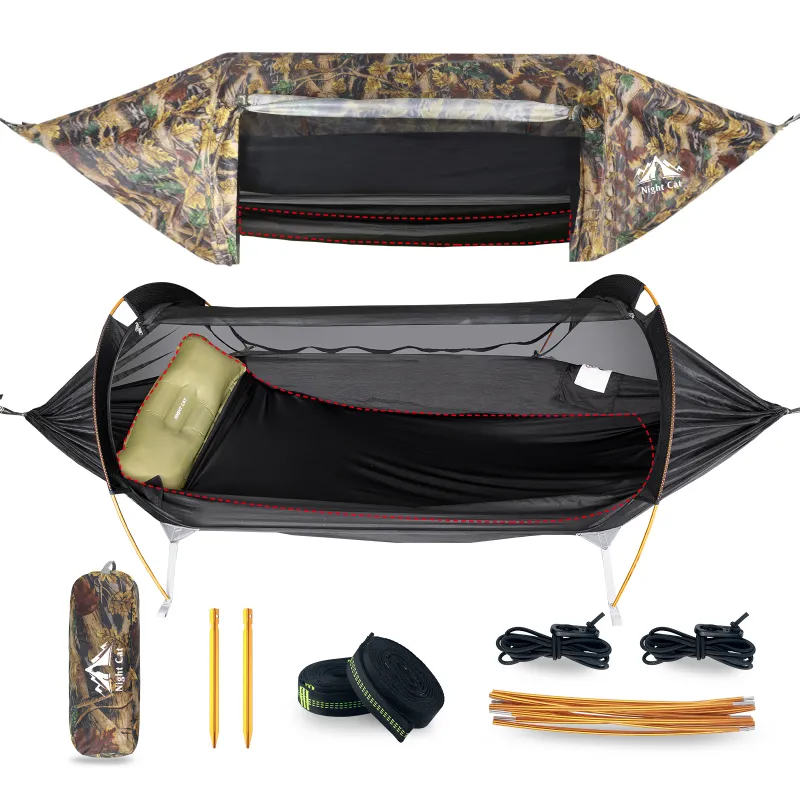
Choosing between a hammock tent and a 1 person tent comes down to where you hike, how much weight you can carry, and how you sleep best. Both shelter systems protect you from the elements, but they demand very different conditions and trade-offs on the trail.
Terrain and Tree Availability
The biggest factor in this decision is whether your backpacking routes offer reliable anchor points. A hammock tent requires two sturdy trees or posts spaced 12 to 15 feet apart. If you hike through dense forests in the Appalachians or Pacific Northwest, you'll find plenty of suitable trees. But in alpine zones, deserts, or above the treeline, a hammock tent becomes impractical or impossible to pitch.
A 1 person tent sets up anywhere you find flat ground. You can pitch it on rock slabs, sandy beaches, tundra, or gravel pads at established campsites. This flexibility makes ground tents the default choice for multi-terrain trips and routes where tree cover is unpredictable.
Some backpackers combine systems by carrying a lay flat hammock with a ground tarp for flexibility. When trees are available, you sleep suspended. When they're not, you pitch the tarp as a low bivy. This hybrid approach adds a bit of weight but maximizes your campsite options.
Weight and Pack Volume
Ultralight backpackers often favor hammock systems because a basic setup (hammock, suspension, bug net, and rain fly) can weigh less than two pounds. However, that weight advantage shrinks or disappears once you add insulation. A hammock underquilt is essential for cold-weather trips because sleeping bags compress underneath you and lose insulation value when you're suspended.
Modern 1 person tent designs now compete directly on weight. An ultralight 2 person tent can weigh under three pounds and offer more interior space than a hammock, plus it protects your gear from rain and critters. Ground tents also pack smaller in some cases, especially freestanding models that compress into tight stuff sacks.
For current pricing and our exclusive discount code, check the latest offers before you order either system.
Setup Speed and Campsite Flexibility
Hammocks win on speed when trees are present. You clip two straps, hang the hammock, drape the rain fly, and you're done in under five minutes. No stakes, no poles, no hunting for flat ground. The learning curve is minimal, and setup stays consistent across trips.
Ground tents take longer to pitch, especially if you need to clear rocks, roots, or debris. A pop up camping tent solves this problem by springing into shape in seconds, though pop-up designs are typically heavier and bulkier than traditional backpacking tents. Freestanding tents offer a middle ground: they stand up without stakes, so you can move them after pitching if the first spot doesn't work out.
Weather resistance also differs. Hammock rain flies leave your suspension and anchor points exposed to wind and rain. Tents create a sealed vestibule where you can store a wet internal frame backpack or cook in bad weather. For storm protection and gear storage, ground tents have the edge.
Sleep Comfort and Nighttime Logistics
Sleep preference is personal, but most hammock users report better sleep quality once they dial in their system. The gentle sway and lack of pressure points appeal to side sleepers and anyone with back pain. However, hammocks require a diagonal sleeping position to lie flat, and the learning curve frustrates some new users. A lay flat hammock design addresses this by offering a flatter sleeping platform without the banana-curve of traditional gathered-end hammocks.
Ground tents let you toss and turn freely and accommodate a 2 person sleeping bag or sleeping double sleeping bag if you're sharing space. You can sit up to change clothes, organize gear, or read without contortion. If you use a bed cot at home or prefer firm sleeping surfaces, a ground tent with a quality sleeping pad will feel more familiar.
Cold sleepers should factor in insulation complexity. A hammock needs both a top quilt and a hammock underquilt for three-season camping. A ground tent needs only a sleeping bag and an insulated pad, which simplifies your sleep system and reduces bulk.
Insect and Weather Protection
Both systems handle bugs well when designed for it. Most hammock tents include integrated bug netting that zips closed, and a mosquito tent design extends that protection to ground setups. Hammocks keep you off the ground, away from crawling insects, but gaps in your rain fly or underquilt can still let mosquitoes in from below.
Ground tents seal completely when zipped, blocking bugs, wind, and blowing rain. Double-wall tents add a vestibule for gear and ventilation, while single-wall designs save weight but require careful ventilation to prevent condensation. REI's hammock tent guide covers ventilation strategies for both systems in detail.
In high winds, hammocks swing and bounce, making sleep difficult. Tents hunker down and stay stable, especially low-profile designs with strong pole architecture. For exposed ridge camping or desert wind, a ground tent is the safer, quieter choice.
Cost and Gear Investment
Entry-level hammock systems cost less upfront, but a complete four-season setup (hammock, suspension, bug net, rain fly, underquilt, and top quilt) rivals the price of a quality ground tent. You'll also need to replace suspension straps and carabiners as they wear.
A 1 person tent bundles everything in one package: shelter, bug protection, and weather coverage. You add only a sleeping pad and bag. This simplicity makes tents a better value for beginners or occasional backpackers who don't want to piece together a modular system.
Before you invest, grab our discount code to save on either shelter type plus sleeping bags, underquilts, and other essentials.
Who Should Choose Which System
Choose a hammock tent if you:
- Hike primarily in forests with abundant trees
- Want the fastest setup and takedown
- Prefer sleeping elevated and cradled
- Already own a quality sleeping bag and just need a suspension system
Choose a solo tent if you:
- Backpack above treeline, in deserts, or across varied terrain
- Need maximum weather protection and gear storage
- Sleep better on flat, firm surfaces
- Want an all-in-one shelter solution without separate insulation layers
Many backpackers eventually own both and choose based on the trip. A hammock tent becomes your go-to for summer forest loops, while a 1 person tent handles shoulder-season alpine routes and winter camping. Test both systems on shorter trips before committing to one for a long thru-hike or expedition.
Your shelter choice shapes every other gear decision, from your internal frame backpack size to your insulation strategy. Take the time to match your system to your actual hiking environment, and you'll sleep better on every trip.
Frequently asked questions
Can I use a hammock tent without trees?
No, a hammock tent requires two sturdy anchor points spaced 12 to 15 feet apart. Without trees or posts, you'll need a hammock stand or a ground shelter instead.
Do I need an underquilt for hammock camping?
Yes, for temperatures below 70°F you need a hammock underquilt. Sleeping bags compress underneath you in a hammock and lose most of their insulation, leaving your back cold.
Which is lighter for backpacking, a hammock or a solo tent?
A basic hammock setup weighs slightly less, but once you add an underquilt and top quilt for insulation, the total weight often matches or exceeds an ultralight ground tent.
Are hammock tents good for beginners?
Hammock tents are easy to set up, but they require a learning curve for diagonal sleeping and proper insulation layering. A ground tent is simpler and more forgiving for first-time backpackers.
Can a 1 person tent fit two people in an emergency?
Technically yes, but it will be extremely cramped with no room for gear. For shared trips, an ultralight 2 person tent or a sleeping double sleeping bag in a larger tent works much better.
Which shelter handles rain and wind better?
A ground tent handles wind and rain better because it seals completely and stays low to the ground. Hammock rain flies leave gaps and allow wind to rock the hammock, making sleep difficult in storms.